This site uses affiliates. Thank you for buying through our links and supporting this blog.


Vienna in Winter: 13 Best Things to Do, Christmas Markets + Local Tips (2026/27)

Vienna in winter is one of my favorite ways to enjoy the Austrian capital. I’m Austrian and I’ve been to Vienna countless times, in every season. I’ve explored its imperial palaces, wandered the historic streets, spent afternoons in its coffeehouses and even watched Swan Lake at the Vienna State Opera. I love the city’s architecture and music all year round, but winter brings an atmosphere of its own.
If you’re wondering what to do in Vienna in winter, I’ll help you make the most of your trip.
Vienna in December is all about Christmas markets, sparkling lights and festive evenings; Vienna in January is quieter after the holidays, with ice skating, museums and ball season; and Vienna in February is lovely for concerts, cafés and romantic city walks.
Below are my 13 best things to do in Vienna in winter, along with honest recommendations on where to stay, which experiences are worth booking, what the weather is really like and how to organize a two- or three-day visit.
I’ve also included my favorite food stops and a few places I return to whenever I’m in Vienna.

In a hurry?
Book your Vienna winter essentials!
These are the four Vienna experiences I would prioritize for a first visit, particularly if you are short on time:
Best of Vienna historic-center walking tour
Schönbrunn Palace guided visit
St. Anne’s Church classical concert
Vienna food, coffeehouse & market tour
Where I would stay: Hotel Sacher Wien for a luxurious city break, or Hotel Am Parkring for panoramic views.
Is Vienna worth visiting in winter?
Absolutely. Vienna is a city made for wandering between grand historic buildings, then slipping into a warm café when your fingers get cold. When the Christmas decorations go up, the streets feel especially inviting. The baroque façades look beautiful with a fresh dusting of snow, although you don’t need snow to enjoy Vienna.
There are fewer tourists after New Year than in the busy Advent weeks, but popular palaces, museums and concerts can still sell out. I wouldn’t assume you can walk into Schönbrunn or find last-minute seats at the opera simply because it’s winter. My advice is to reserve one or two experiences you really care about and leave the rest of your time free to explore.
My winter take: I would choose December for Christmas markets and atmosphere, January for a calmer cultural city break, and February for classical music, ball season and the Viennese Ice Dream. If you love cafés and museums, any of the three months can work.
My first booking: A guided historic-center walk is a brilliant way to understand Vienna’s imperial history before exploring on your own.
Best things to do in Vienna in winter at a glance
Vienna has so much going on that it is easy to fill a week. For a shorter trip, I would choose a mix of imperial sights, classical music, delicious Austrian food and time outdoors. Here is where I would spend my money first.
| Best for | Experience I recommend | Book or plan |
|---|---|---|
| First visit | Historic center, St. Stephen’s and Ringstrasse | Top-rated Old Town walking tour |
| Imperial history | Schönbrunn Palace interiors | Guided Schönbrunn Palace tour |
| Special winter evening | Intimate classical concert | St. Anne’s Church concert |
| Viennese food | Coffeehouses, markets and Austrian lunch | Food & coffeehouse tour |
| Art lovers | Klimt’s The Kiss at Belvedere | Upper Belvedere guided tour |
| December visit | Christmas markets at Rathausplatz, Schönbrunn and Spittelberg | Explore independently; see the event dates below |
| History fans | Sisi Museum and Hofburg | Hofburg and Sisi Museum tour |
| A memorable evening | Opera or concert at a historic venue | St. Peter’s Church concert |
| Hands-on activity | Make Wiener Schnitzel and Apfelstrudel | Schnitzel & strudel class |
| Winter views | The Giant Ferris Wheel at Prater | Ferris wheel ticket |
| Where to stay | Walkable base in the first district | Compare Hotel Sacher Wien |

READ NEXT:
Plan 1, 2, 3 or 5 days in Vienna, from imperial palaces and museums to coffee houses and local food
Where to stay in Vienna in winter
I’ve stayed in several districts of Vienna, but for a winter city break, I recommend the Innere Stadt (1st district) or somewhere immediately around the Ringstrasse. Being able to walk back to your hotel after a concert, Christmas market or long museum day is a real advantage when the temperature drops.
The first district is especially beautiful in December, with illuminated shopping streets, historic cafés and major attractions within walking distance. It is not usually the cheapest area, but for a short stay I think the convenience is worth paying for. If you prefer a quieter neighborhood, look just across the Ringstrasse near Stadtpark.
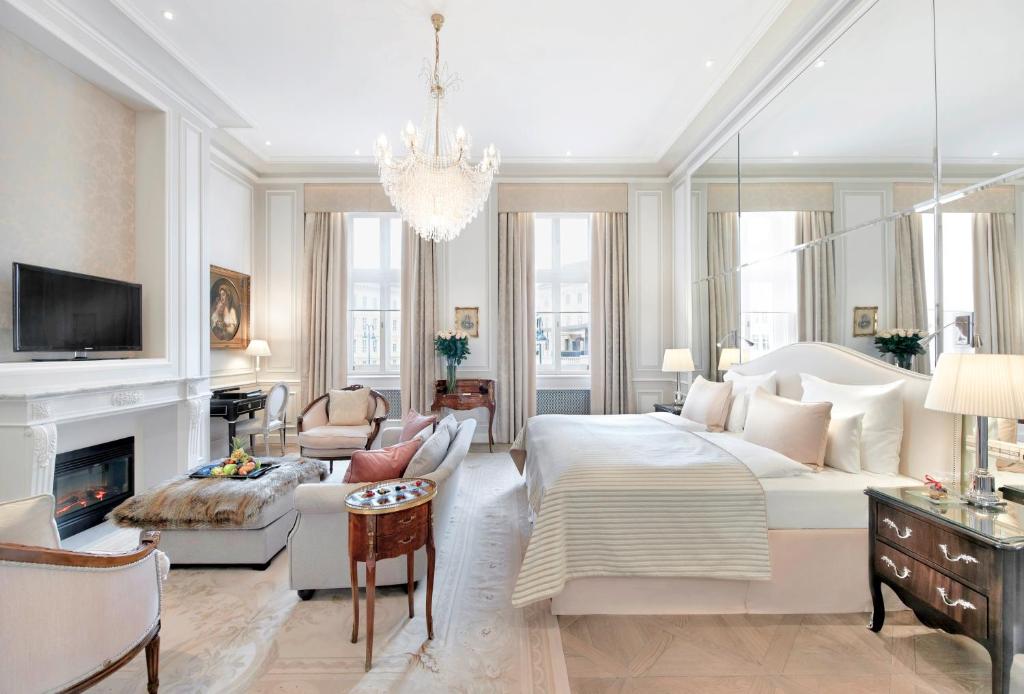
LUXURY SPLURGE
The grandest choice opposite the State Opera, with easy access to the historic center and that famous Sacher-Torte.
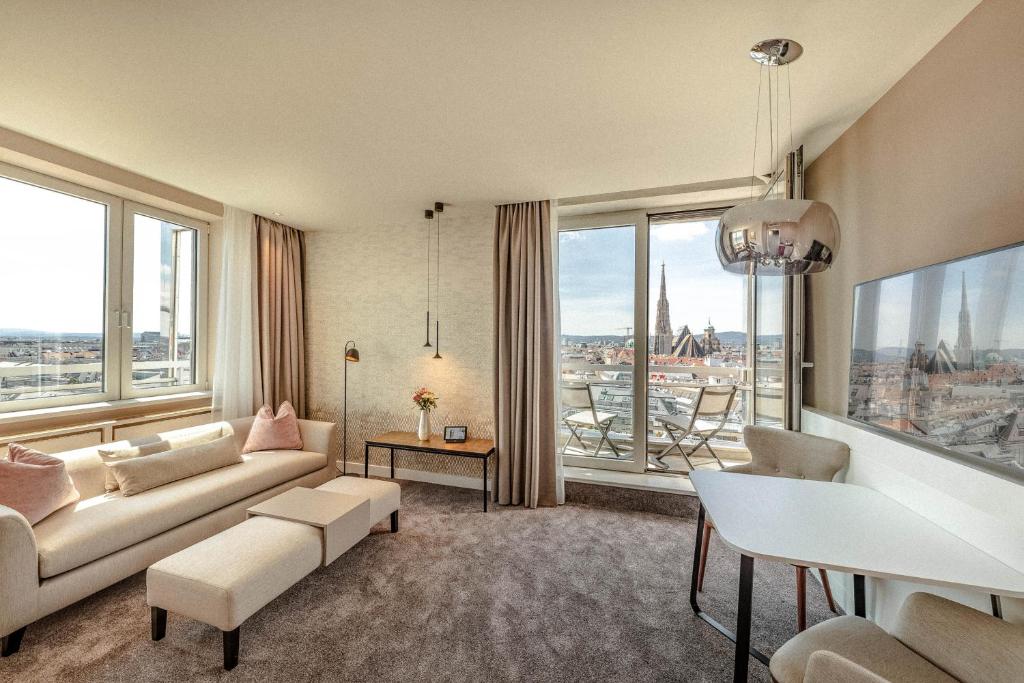
BEST CITY VIEWS
High-floor rooms and panoramic city views, very convenient for the Ringstrasse, Stadtpark and the Old Town.
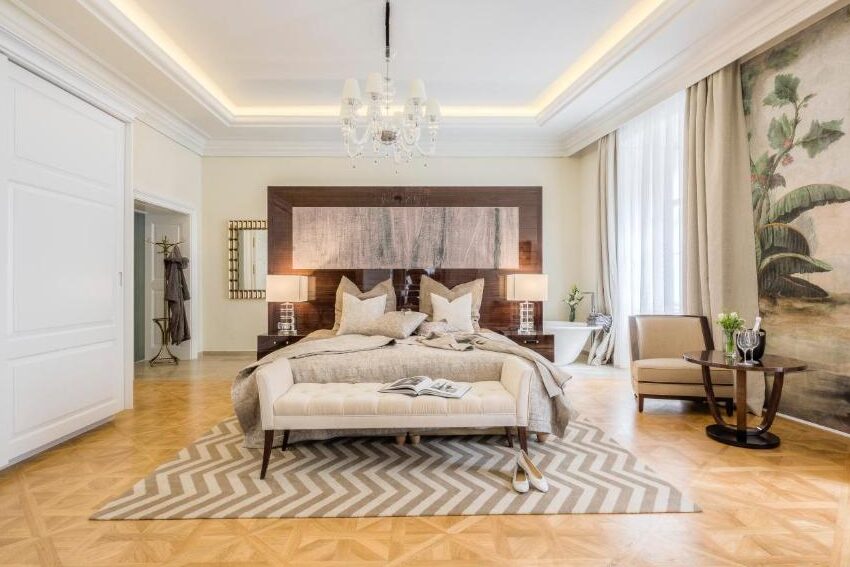
SPACE & COMFORT
A spacious central apartment near St. Stephen’s Cathedral, ideal if you want somewhere to unwind after chilly days outside.
For a detailed neighborhood comparison, see my where to stay in Vienna guide. If you are traveling for the Christmas markets or New Year’s Eve, I would reserve accommodation well ahead of the trip rather than wait for last-minute deals.

READ NEXT:
Compare Vienna’s best districts and hotels, from the historic Innere Stadt to Neubau and Leopoldstadt
What to know before visiting Vienna in winter
| Planning question | My advice |
|---|---|
| How long? | Three days is my sweet spot for first-time visitors; add another day for art, food tours or excursions. |
| Do you need a car? | No. The historic center is walkable, and Vienna’s trams, metro and trains are excellent. |
| When to visit? | December for markets, January for cultural sightseeing, February for balls and skating. |
| What should you book? | Reserve Schönbrunn Palace, an evening classical concert and high-demand dining or ball tickets in advance. |
| Where to stay? | The first district is easiest for a short winter city break. Hotel Am Parkring is a convenient central option. |
| What about snow? | Possible, but not guaranteed. Come for Vienna itself, not a promise of snowy streets. |
My booking priority: I would book Schönbrunn with a guide and one lovely classical concert first, then add a food and coffeehouse tour if you have three or more days. You can enjoy the markets, shopping streets and many viewpoints on your own.

13 best things to do in Vienna in winter
These are the Vienna winter activities I recommend most. I have grouped the sights so you can plan your days around nearby attractions instead of crossing the city for every single stop.
1. Explore Vienna Old Town, St. Stephen’s Cathedral and the Ringstrasse
I always recommend starting in the historic center. Vienna’s Innere Stadt is filled with beautiful buildings, elegant shopping streets and little corners that are easy to miss when you’re rushing between museums. Begin at Stephansplatz to admire the tiled roof and Gothic façade of St. Stephen’s Cathedral, then continue along Graben and Kärntner Strasse toward the State Opera.
I love strolling these streets in winter when the lights are on. My favorite way to enjoy the city is to combine the sights with a proper Austrian coffee break rather than turn the whole day into a checklist. Stop at the Hofburg, wander through the Burggarten or Volksgarten, and take in the monumental buildings along the Ringstrasse, including Parliament and Rathaus.
For something quick and local, my favorite lunch stop in the center is Bitzinger Würstelstand near the Albertina. Order a classic sausage such as a Käsekrainer and keep exploring. If you’re visiting in December, the illuminated shopping streets are particularly beautiful after dark.
For your first morning, I highly recommend this Best of Vienna Historic Center Walking Tour. It is a well-reviewed guided introduction that puts the imperial history and architecture into context. I would choose it over a generic bus tour. If you want a lower-priced group walk, this city-center highlights tour is a good alternative.
Book your Vienna Old Town visit:
The guided walk is the best way to start a trip if you want the stories behind the streets, not just a list of buildings.
My top pick: Best of Vienna Historic Center Walking Tour
More affordable group option: Guided Walking Tour of Vienna City Center Highlights
Private option: Vienna at First Glance walking tour

2. Visit Schönbrunn Palace and its magnificent gardens
The magnificent Schönbrunn Palace was the summer residence of the Habsburgs and remains one of the most important places to see in Vienna. I always recommend setting aside a good part of a day here: there is much more to see than the palace façade.
The palace interiors offer a fascinating look into imperial life, from ornate reception rooms to spaces associated with Empress Maria Theresa. In winter, the richly decorated rooms are especially appealing after a cold morning outside. I highly recommend this guided Schönbrunn Palace tour for the timed entrance and the stories that bring the history to life. Book your preferred time rather than hoping for a last-minute slot.
My favorite part of Schönbrunn is actually the gardens. Even in winter I like walking uphill toward the Gloriette for the wonderful view over Vienna. The fountains will not look like they do in summer, and it can be icy underfoot, but I still think the walk is worthwhile on a clear day. Bring comfortable shoes and don’t leave it until sunset.
If you want to make an evening of it, there is also a classical concert at Schönbrunn Palace. It has a more formal feel than an intimate church concert, although I would choose the palace tour first if you only have time for one experience here.
Book your Schönbrunn visit:
The best reason to book a guide is the palace interior and its history, not the winter gardens alone.
My recommendation: Guided Schönbrunn Palace visit with reserved entry
Evening alternative: Schönbrunn Palace classical concert

3. Enjoy an unforgettable classical concert in Vienna
Vienna is one of the world’s great music capitals, and a winter evening is a perfect excuse to experience that heritage. From intimate churches to grand palaces and concert halls, you have plenty of choices. I wouldn’t book the first ticket you come across, though. The venue changes the whole experience.
If you want an atmospheric concert without spending a fortune, I recommend the classical concert at St. Anne’s Church. It’s an intimate setting in the heart of the city and a lovely way to spend an evening when it’s dark and cold outside. St. Peter’s Church concerts are another excellent central option, particularly if you love historic Baroque interiors.
For a more elaborate evening, consider a Schönbrunn Palace concert or Vivaldi’s Four Seasons at Karlskirche. Check the actual performance programme and venue for your dates, as concerts do not all feature the same music or take place in the same rooms.
I also recommend stepping inside St. Stephen’s Cathedral while you explore the center. Just don’t confuse that cathedral with the completely separate concert venues at St. Peter’s and St. Anne’s churches.
| What you want | My concert pick | Tickets |
|---|---|---|
| Intimate, good-value performance | St. Anne’s Church | See St. Anne’s concerts |
| Beautiful Baroque church interior | St. Peter’s Church | Check St. Peter’s concerts |
| Grand evening out | Schönbrunn Palace | Compare Schönbrunn concerts |
| Vivaldi in a striking setting | Karlskirche | See Four Seasons concerts |
Choose your Vienna concert:
I recommend choosing by venue and music programme rather than assuming the most expensive ticket is the best.
My top pick: St. Anne’s Church classical concert
Alternative: St. Peter’s Church classical concert

4. Discover Vienna’s coffeehouses, Naschmarkt and traditional Austrian food
I can’t imagine a winter trip to Vienna without spending at least a little time in a traditional coffeehouse. Warm up with a Wiener Melange and a slice of Sacher-Torte, a rich chocolate cake filled with apricot jam and covered in a dark chocolate glaze. I’m a chocolate fan, so this is one of the easiest recommendations for me to make.
I like Café Central for the grand interior and traditional coffeehouse experience. Another stop I recommend is Demel, famous for pastries and Kaiserschmarrn—a fluffy shredded pancake traditionally served warm with powdered sugar and fruit compote. And if you want something quick rather than another elegant café, grab a sausage at Bitzinger near Albertina.
For a proper food experience, head to Naschmarkt, where stalls and restaurants serve everything from Austrian specialities to international dishes. It is fun to browse independently, but if food is one of your main reasons to visit, I highly recommend this Vienna food, coffeehouse and market tour. It combines market discoveries, coffee and pastries, a sit-down Austrian meal and more tastings. It takes several hours, so I would treat it as a main activity rather than squeezing it between two museums.
If your priority is cakes and cafés rather than a full meal, I would choose the Vienna Coffeehouse and Pastries Tour. For a shorter and less expensive food outing, this guided Vienna tasting tour is the alternative I would consider.
| Food experience | Best for | My recommendation |
|---|---|---|
| Food, coffeehouse & market tour | A substantial introduction to Vienna’s food culture | Book the full food tour |
| Coffeehouse and pastries tour | Cake lovers and traditional cafés | Explore pastries tour |
| Guided food tastings | Shorter food-focused outing | View Vienna tasting tour |
| Demel and other historic cafés | Independent coffee and cake break | Visit at your own pace |
Taste Vienna:
The full tour is the best choice if you want to sample a wide range of Austrian food without researching every café and market stall yourself.
My top recommendation: Vienna Food, Coffeehouse & Market Tour
For coffee and cake lovers: Vienna Coffeehouse & Pastries Tour

5. Explore Belvedere Palace, Albertina and Vienna’s art museums
Vienna has extraordinary museums, and winter is a wonderful time to explore them. Upper Belvedere is one of the first places I recommend to art lovers, especially for Gustav Klimt’s The Kiss. The grand Baroque palace was once home to Prince Eugene of Savoy, and the combination of architecture and art makes it one of the city’s highlights.
I love the symmetry and sculptures of the Belvedere gardens, too. In summer they are magnificent, but even in winter I enjoy walking around the grounds after seeing the collection. For more context about the artworks, I recommend a guided Upper Belvedere tour. If you already know what you want to see and prefer to browse independently, a regular Upper Belvedere admission ticket is enough.
The Albertina Museum is another excellent choice for cold days. It is housed in a former Habsburg residence and has an impressive collection of art, including works from the nineteenth and twentieth centuries. The famous Dürer Young Hare drawing is fragile and is not permanently on display, so don’t assume it will be included in a current exhibition.
If you love historic art collections, add the Kunsthistorisches Museum. It can easily fill half a day. I would book this guided Kunsthistorisches Museum highlights tour if you want help navigating a very large collection.
Book Vienna’s art highlights:
Best for Klimt and art history: Guided Upper Belvedere tour
For independent sightseeing: Upper Belvedere admission
For classic art collections: Kunsthistorisches Museum guided highlights

6. Visit Vienna’s magical Christmas markets
Visiting Vienna’s Christmas markets is one of the very best things to do in Vienna in December. Small wooden stalls decorated with twinkling lights sell mulled wine, local treats, Christmas decorations and handcrafted gifts. It is festive, cheerful and exactly the kind of atmosphere I love about Austria in Advent.
I recommend visiting more than one market because each has a different setting. Rathausplatz is the famous big one, full of lights and seasonal activity. Schönbrunn has a fantastic palace backdrop and stays open into early January, while Spittelberg is lovely for its smaller streets and more intimate feel. I also like the market near Belvedere Palace for its elegant surroundings.
You do not need a guided tour to enjoy these markets. Walk between them, try different treats and find your own favorite. If you want a structured food experience rather than simply another market walk, the Vienna food and coffeehouse tour is a much better paid choice for most visitors.
Stay near the Christmas markets:
Stay centrally if you want to spend your evenings walking between Christmas markets, cafés and illuminated streets.
My hotel pick for a festive city break: Hotel Am Parkring
For a luxury Christmas stay: Hotel Sacher Wien

7. Discover the Hofburg Palace, Sisi Museum and Spanish Riding School
The Hofburg was the center of Habsburg power and is still one of Vienna’s grandest landmarks. You can walk around much of the palace complex freely, but I particularly recommend visiting the Sisi Museum and Imperial Apartments to learn more about Empress Elisabeth and the imperial family’s private life.
Sisi’s story is far more interesting than a collection of beautiful dresses. The museum explores her routines, image and the pressures of court life. For a deeper visit, this guided Hofburg and Sisi Museum tour is the option I would choose. The nearby Imperial Treasury and Austrian National Library State Hall are also worth considering if you are especially interested in imperial history.
The Spanish Riding School is famous for its Lipizzaner horses and classical dressage. I found the show impressive and recommend attending a performance at the Winter Riding School when the schedule suits your visit. Check whether you’re booking a training session or a formal performance, because they are very different experiences.
Another lovely way to enjoy the area is a traditional Fiaker horse-drawn carriage ride through the historic streets. If that’s on your wish list, choose a licensed carriage operator, check the route and discuss the fare before setting off.
Visit Vienna’s imperial highlights:
A guided museum visit makes more sense here than buying an unrelated sightseeing package.
My guided recommendation: Hofburg Palace and Sisi Museum tour
For another royal residence: Schönbrunn Palace guided tour

8. See an opera and discover Mozart’s Vienna
The Vienna State Opera is one of the world’s great opera houses, and if you enjoy music or theatre, I think seeing a performance here is an experience you should make time for. I saw Swan Lake and loved not only the performance, but the atmosphere inside the historic building. That evening is one of my favorite memories from Vienna.
There is no general rule that every visitor has to wear formal evening dress, but I would make an effort. It adds to the occasion. Check the programme and buy performance tickets through the Vienna State Opera’s official website to see the actual cast, seats and prices. I wouldn’t recommend a generic ticket reseller for a particular opera unless you can see exactly what it includes.
For more music history, visit Mozarthaus Vienna, where Mozart lived during his time in the capital. Mozart was born in Salzburg, but composed many important works in Vienna. Mozarthaus admission with an audio guide is a useful option for visitors who like to explore independently.
You can also experience live classical music in the city without a full opera. My choice for that would be a church concert at St. Anne’s or a performance at St. Peter’s Church. For the Vienna Boys’ Choir, check their concert and chapel schedules; regular appearances are not guaranteed every day.
Plan a musical Vienna evening:
For a specific State Opera production, I recommend buying the actual performance through the official opera calendar.
For a concert: St. Anne’s Church classical concert
For Mozart history: Mozarthaus entry with audio guide

9. Learn to make Wiener Schnitzel and Apfelstrudel
A trip to Austria is not complete without trying Wiener Schnitzel and Apfelstrudel. I’m always happy to eat both, but learning how to make them is a fun way to take a little of Austria home with you. It is also a perfect activity for a cold or rainy winter afternoon.
I recommend this hands-on Schnitzel and Strudel cooking class if you want a practical lesson instead of another tasting. You’ll work with traditional recipes and get to enjoy what you make. I would book this if you want a relaxed indoor activity that is different from the usual palace-and-museum sightseeing.
If you’d rather taste several dishes without cooking, I would book the full Vienna food and coffeehouse tour instead. That’s my preferred pick for most first-time visitors. The cooking class makes more sense if you especially enjoy getting hands-on in the kitchen.
Book an Austrian cooking experience:
My pick for hands-on fun: Schnitzel and Strudel cooking class
Prefer eating to cooking? Vienna Food, Coffeehouse & Market Tour
10. Ride the Giant Ferris Wheel at Prater after dark
The Wiener Riesenrad in Prater is one of Vienna’s most recognizable landmarks. Opened in 1897, the Ferris wheel offers beautiful city views from enclosed gondolas, so you don’t have to worry about being exposed to the wind throughout the ride.
My favorite time to ride is after dark in winter, when the city lights are glowing below. In December, the festive atmosphere makes it particularly special. You can combine it with the winter market around Riesenradplatz if you’re visiting during Advent.
I would book a Ferris wheel ticket if this is one of your must-dos, especially on a busy weekend. If you only have two days in Vienna and prefer art or history, I would prioritize the palaces first and enjoy the wheel as an optional evening activity.
Ride the Vienna Ferris Wheel:
The covered gondolas make this a much better winter sightseeing option than an open-air lookout on a windy day.
11. Go ice skating, try Eisstock and enjoy the winter festivals
One thing I love about winter in Austria is how many outdoor activities continue when the temperature drops. The Viennese Ice Dream (Wiener Eistraum) turns Rathausplatz into an enormous skating area with winding paths, multiple rinks and places to stop for a warm drink. It is a particularly fun activity in January and February.
If you’re visiting earlier, there is also a smaller seasonal skating area beside the Rathausplatz Christmas market. Check the dates, because it is not the same event as the larger Viennese Ice Dream.
You can also try Eisstock, an Austrian winter game a little like curling. The aim is to slide your team’s stocks toward a target on the ice. It’s surprisingly good fun with a group of friends; look for a bookable rink or Eisstock lane rather than assuming one will be free when you arrive.
If you visit for New Year’s Eve, join the festive route through central Vienna and watch the city welcome the new year. I recommend being around Graben as midnight approaches to experience the traditional waltz atmosphere. The Pummerin bell at St. Stephen’s Cathedral is part of the moment. Do not plan your evening around fireworks, which are restricted in Vienna.
January and February also bring Vienna’s ball season. If attending a ball appeals to you, read this practical guide to Vienna balls and check official event organisers for tickets and dress codes. It’s an experience that needs more planning than a normal museum visit.
My winter tip: Save outdoor skating for the right weather and keep an indoor backup, such as St. Anne’s Church concert or an Austrian food experience. You can book those ahead and still enjoy a lively winter day without depending on sunshine.

12. Escape the crowds in Augarten, Burggarten and Vienna’s parks
When there is snow in Vienna, Augarten is one of my favorite places to escape the busy city. Its long, tree-lined avenues are lovely for a peaceful walk, especially on a crisp January morning. The park has seasonal closing times, so plan your visit in daylight.
I also recommend walking through Burggarten, with its famous Mozart statue, and the elegant Volksgarten near the Hofburg. In spring and summer these gardens are full of flowers, but even in winter they are beautiful places to catch your breath between museums.
If you have had enough of cold air, head into the Imperial Butterfly House (Schmetterlinghaus) near Burggarten. Its tropical interior and colorful butterflies offer a complete change of atmosphere from winter outside. The butterflies can fly freely, and with a bit of luck one may land close enough for a photo.
This is a relaxed half-day rather than something I would spend money on a lengthy organized tour for. You can pair the parks and Butterfly House with an Upper Belvedere guided tour or a classical evening concert if you want a structured experience as well.
My favorite free winter walk: Augarten on a quiet, crisp morning. For an indoor option afterward, I would choose the Belvedere art collection or return to a traditional coffeehouse.


13. Take a winter day trip from Vienna
Vienna’s location makes it a very convenient base for exploring more of Austria and the surrounding countries. I have visited the city countless times, and one of the things I enjoy most is how easy it is to add a completely different destination to the trip. That said, I would spend at least two or three days in Vienna itself before committing an entire day to an excursion.
For a winter day trip with Austrian history and scenery, consider the Wachau Valley and Melk Abbey. The combination of Baroque architecture and the Danube landscape is beautiful in a different way from the capital. A guided Danube Valley and Melk Abbey day trip is useful if you’d rather not organize the route yourself.
READ NEXT:
Explore easy trips from Vienna to the Wachau Valley, Melk, nearby towns and destinations across the border
Hallstatt is another popular choice, especially if you are hoping to see Alpine scenery, but it is a long day from Vienna and winter daylight is short. This Hallstatt guided day trip can save the hassle of planning connections. I would only choose it if you are comfortable spending substantial time travelling.
You could also travel to Salzburg by train. It is a wonderful city to explore in winter, but I prefer it as an overnight stay rather than squeezing it into a rushed day trip. For more ideas, I’ve put together a full guide to day trips from Vienna.
Book a winter day trip:
If you only have two days, I would stay in Vienna and leave the day trips for another visit.
For the Danube Valley: Wachau Valley and Melk Abbey day trip
For Alpine scenery: Hallstatt guided excursion

Vienna Christmas markets and winter events 2026–27
Winter in Vienna is not one long Christmas market. Most of the festive stalls close before or just after New Year, while classical concerts, ice skating and ball season continue well into January and February. If you are planning Vienna in December, these are the dates I would check first.
| Event | 2026–27 dates | What to expect |
|---|---|---|
| Schönbrunn Christmas market | 6 Nov 2026 – 6 Jan 2027 | Palace backdrop, gifts and traditional food. |
| Rathausplatz Christmas market | 13 Nov – 26 Dec 2026 | Vienna’s best-known festive market. |
| Spittelberg Christmas market | 13 Nov – 23 Dec 2026 | Atmospheric lanes and handcrafted gifts. |
| Belvedere Christmas market | 20 Nov – 31 Dec 2026 | Beautiful illuminated palace setting. |
| Rathausplatz Christmas skating | 13 Nov 2026 – 6 Jan 2027 | Smaller skating area linked to the seasonal market. |
| Viennese Ice Dream | 22 Jan – 7 Mar 2027 | Large rink and ice paths at Rathausplatz. |
| Vienna Opera Ball | 4 Feb 2027 | Formal ball with limited tickets and strict dress requirements. |
The Vienna Tourism Christmas market calendar is the best place to recheck dates before your trip. On 24–26 December and 1 January, shop and attraction opening hours may be shorter, so I strongly recommend making restaurant reservations in advance.
For New Year’s Eve, expect the city-center celebrations and plenty of people. For February, check the Vienna event listings and the programme for your chosen concert venue or ball.
Vienna in December, January or February: which month is best?
| Month | Atmosphere | My recommendation |
|---|---|---|
| Vienna in December | Festive lights, Christmas markets, busy Advent weekends | Choose it for Christmas atmosphere. Reserve central accommodation and concerts early. |
| Vienna in January | Quieter streets after Epiphany, museums, ball season, winter skating later in the month | Choose it for cultural sightseeing and Schönbrunn Palace without the Advent bustle. |
| Vienna in February | Classical music, romantic winter evenings, balls and Viennese Ice Dream | Choose it for a special concert, skating and café-hopping. |
I personally like Vienna throughout winter. If this is your first visit and you are dreaming of Christmas markets, December is the obvious choice. If you simply want to explore the city’s palaces, cafés, museums and music scene at a more relaxed pace, January and February are excellent alternatives.
Vienna winter weather: temperature, snow and what to wear
Vienna has cold winters, often with temperatures hovering around freezing. Frosty mornings, occasional snow and grey afternoons are part of the experience, but snow is not guaranteed in the historic center. If you want to experience Vienna covered in snow, January and February are better months to hope for it than early December—just don’t plan your holiday around a particular forecast.
I would bring a warm coat, layers, gloves, a scarf and comfortable waterproof shoes with good grip. You will spend plenty of time on pavements and around outdoor markets, but the museums, cafés and concert halls are well heated, so layers are more useful than one enormous coat you cannot remove.
In December, daylight disappears early, which is actually a lovely excuse to enjoy the lights and an evening concert. If you are visiting Schönbrunn or the Belvedere gardens, explore the outdoors while it is still light and save a museum or concert for afterward.
How many days do you need in Vienna in winter?
I recommend three days in Vienna for a first winter visit. You could see the main streets and a palace in one packed day, but Vienna is a city worth taking slowly. With three days, you can enjoy the historic center, a palace, art, traditional coffeehouses and one memorable evening without rushing.
READ NEXT:
Plan 1, 2, 3 or 5 days in Vienna, from imperial palaces and museums to coffee houses and local food
Two days in Vienna in winter
Day 1: Start with the Historic Center Walking Tour, St. Stephen’s Cathedral and the Ringstrasse. Have lunch at Bitzinger, explore Hofburg or Albertina in the afternoon, then warm up in a historic café. After dark, head to a classical concert at St. Anne’s Church. If you are here in December, add the Rathausplatz or Spittelberg market.
Day 2: Book a morning Schönbrunn Palace tour and walk toward the Gloriette if the conditions are good. Return to the center for Upper Belvedere or a relaxed pastry stop at Demel. End your visit at the Giant Ferris Wheel after dark or with dinner.
Three days in Vienna in winter
Follow the two-day route, then use day three for the activities that interest you most. Food lovers should book the Vienna Food, Coffeehouse & Market Tour and spend the rest of the afternoon in Naschmarkt. Art fans can see more of Belvedere, the Kunsthistorisches Museum or Albertina. For a relaxing winter day, visit Augarten, the Butterfly House and Prater. My Vienna itinerary for 1, 2, 3 and 5 days has more route ideas.
With four or five days, I would add one of the best day trips from Vienna rather than squeeze a distant excursion into a short city break.

Getting to Vienna in winter
Vienna is very well connected to the rest of Europe, so getting here is easy whether you’re flying, taking the train or driving. I usually travel to Vienna by train, which I find affordable and convenient, especially since I don’t need a car once I’m in the city.
By plane: Vienna International Airport (VIE) is southeast of the city, with convenient public transport connections. The ÖBB Railjet takes approximately 15 minutes to reach Wien Hauptbahnhof (Vienna Central Station), where you can connect to the U-Bahn. Airport buses also serve several central locations. If you’re arriving late or traveling with lots of luggage, a taxi or pre-booked transfer might be more convenient.
Airport transport update for winter 2026–27: Due to major railway works, the usual S7 airport train no longer runs directly to Wien Mitte. The S7 terminates at St. Marx, while the REX7 runs to Vienna Central Station. The City Airport Train (CAT) is temporarily replaced by a direct bus to Wien Mitte. These changes are expected to remain in place until the end of October 2027. Check the latest airport transport information before traveling.
By train: Vienna has excellent rail connections with Salzburg, Munich, Budapest, Prague and other European cities. Most long-distance services arrive at Wien Hauptbahnhof, southeast of the historic center. From there, you can easily continue by metro, tram or taxi. I particularly recommend checking ÖBB for connections and tickets.
By bus or car: International buses connect Vienna with many nearby European cities. Driving is also possible, but remember that Austrian motorways generally require a vignette, and winter road conditions may require appropriate tires and equipment. Personally, I wouldn’t keep a car for sightseeing in Vienna. Parking can be expensive, and public transport is much easier.
Getting around Vienna in winter
Vienna is one of those cities where you really don’t need a car. The historic center is wonderfully walkable, and the public transport system makes it easy to reach attractions further away. Even in winter, I prefer exploring the Old Town on foot, stopping for coffee or something sweet whenever I need to warm up.
Walking: Most attractions in Vienna’s historic first district are within walking distance of one another, including St. Stephen’s Cathedral, the Hofburg, the State Opera and many famous coffeehouses. Comfortable, waterproof shoes are a good idea in winter, especially when the streets are wet or icy.
U-Bahn, trams and buses: Vienna’s public transport network is excellent. The underground is particularly useful for reaching Schönbrunn Palace, Prater and attractions outside the center, while the trams are a lovely way to see more of the city. I would choose public transport over a hop-on hop-off bus for most sightseeing trips.
Public transport tickets: You can buy single tickets or multi-day passes depending on how often you plan to travel. Tickets are available through the Wiener Linien website, the WienMobil app and ticket machines at metro stations. Remember to validate paper tickets where required. Standard Vienna city tickets do not cover the entire journey to the airport.
Taxis: Taxis and ride-hailing services are useful if you’re traveling with heavy luggage or returning late at night, although I rarely find them necessary for ordinary sightseeing.
My tip: Stay somewhere central, explore the Old Town on foot and use the U-Bahn for everything further away. It’s the easiest way to enjoy Vienna in winter without wasting time on traffic or parking.

Vienna in winter FAQ
Is Vienna worth visiting in December?
Absolutely. December is my favorite month for the Christmas markets, decorated streets and festive atmosphere. Stay centrally, visit more than one market, and reserve a classical concert for a memorable evening.
What is Vienna like in January?
Vienna in January is quieter after the holidays and excellent for imperial palaces, art museums and coffeehouses. The big Viennese Ice Dream opens later in the month. I would prioritize a guided Schönbrunn visit and one concert.
Is Vienna nice in February?
Yes. February is perfect for culture, cafés, winter skating, romantic evenings and ball season. I would pair a church concert with a Viennese food experience.
Does it snow in Vienna in winter?
Snow is possible, particularly in January and February, but there is no guarantee of snowy streets. Bring warm layers and waterproof shoes, and plan a mix of indoor and outdoor activities.
Which Vienna Christmas markets are best?
For a first visit, I recommend Rathausplatz for the big festive atmosphere, Schönbrunn for the palace setting and Spittelberg for its smaller streets. Check closing dates, especially after Christmas. For a more substantial paid experience, my recommended food and coffeehouse tour is worth choosing over an ordinary market walk.
What should I book in advance in Vienna?
I would reserve Schönbrunn Palace guided entry, a classical concert and the food, coffeehouse and market tour if these are must-dos. Christmas-weekend hotels, ball tickets and opera performances also deserve early planning.
Where should I stay in Vienna in winter?
The first district is my favorite base for a short sightseeing trip. For luxury, choose Hotel Sacher Wien; for elevated city views and easy access to the center, see Hotel Am Parkring.
How many days should I spend in Vienna?
I recommend three days for a balanced winter city break. Two days can cover the main sights with careful planning, but three gives you time for a guided Old Town walk, Schönbrunn and a proper Austrian food experience.
Can I visit Vienna without a car in winter?
Yes, easily. I mostly arrive by train, and Vienna’s public transport is excellent. Stay central and use the metro or trams for longer distances. You can also reach Schönbrunn without a car.
Are Vienna Christmas markets open in January?
Most close in December, but the market at Schönbrunn is scheduled through January 6, 2027. Don’t assume all the markets remain open after New Year.
Planning a trip to Vienna?
Vienna is a must-visit city if you love history, beautiful architecture, classical music and a proper coffeehouse break. I’ve traveled to the city so many times, but there is always another palace, museum, restaurant or neighborhood to discover. In winter I especially enjoy combining a big cultural sight with a cozy afternoon café and an evening out.
For more Austria trip ideas, check my Austria travel articles and the guides below.
Read next:
Travel Insurance
Good travel insurance is an absolute must when traveling abroad, and I’ve learned that the hard way!
Now I always get insured before we leave, and Travel Insurance Masters is my go-to platform to compare suitable insurance options for a particular trip.
The platform helps you compare plans based on criteria such as your age, nationality and destination, so you can choose coverage that makes sense for your travels. Check the terms carefully, especially if you plan any winter sports or outdoor adventures.
