This site uses affiliates. Thank you for buying through our links and supporting this blog.


Bologna in Winter: Best Things to Do, See & Eat (2026/27)

There are plenty of beautiful cities in Italy, but Bologna has a way of making me forget about sightseeing and start thinking about my next meal instead. And honestly, that’s a pretty good reason to visit in winter.
Between the ridiculously good food, endless covered porticoes, enormous red-brick buildings, lively squares, and cozy little bars, Bologna works surprisingly well as a winter city break. You can spend the morning exploring medieval streets, stop for a steaming bowl of tortellini in brodo, disappear into a museum if it starts raining, and finish the day with aperitivo. Not a bad way to spend a cold December afternoon, if you ask me.
What I love about Bologna is that it feels like a proper Italian city with its own personality. It’s grand and historic, but also young, creative, a little hipster, and wonderfully obsessed with food. And while the Christmas markets and festive lights make Bologna in December particularly atmospheric, there’s plenty to enjoy throughout January and February too.
I’ve traveled around Northern Italy extensively, and Bologna really stands out to me. I still remember being struck by the sheer scale of its architecture. The buildings are huge, the porticoes seem to go on forever, and even the doors are so ridiculously massive that I struggled to fit them into my photos. It has this bold, red-brick, slightly moody character that feels completely different from Venice, Florence, or Milan.
And then there’s the food. Bologna is the capital of Emilia-Romagna, home to some of Italy’s most famous culinary traditions, and I’d argue that eating well should be an actual priority on your itinerary rather than something you squeeze in between attractions. Whether that’s exploring the Quadrilatero food streets, joining a Bologna food tour, or learning to make pasta in a local home, you really can’t go too far wrong.
In this guide, I’ll cover the best things to do in Bologna in winter, including the Christmas markets, historic sights, food experiences, museums, cooking classes, and the best excursions around Emilia-Romagna. I’ll also share where to stay, what to expect from the weather, and the practical tips that will help you plan your winter trip without turning it into an unnecessarily complicated operation.

In a hurry?
Book your Bologna winter essentials:
Bologna historic center walking tour
Is Bologna worth visiting in winter?
Yes, Bologna is absolutely worth visiting in winter, particularly if you enjoy Italian food, architecture, culture, and cities that still feel lively outside the main tourist season. December brings Christmas markets and festive decorations, while January and February are great for museums, cooking classes, shopping, and enjoying the city’s food scene.
One of Bologna’s biggest advantages in winter is its famous porticoes. The city has kilometers of covered walkways that provide shelter from rain, wind, and the occasional miserable winter afternoon. You can explore an enormous part of the historic center without spending the entire day exposed to the weather. Very considerate of Bologna, really.
And unlike places where most activities revolve around being outdoors, Bologna has plenty to offer when the weather is less than ideal. There’s the Archiginnasio and Anatomical Theatre, beautiful churches, art museums, food markets, wine bars, and some genuinely fantastic hands-on cooking experiences. A traditional pasta class in a local home is particularly tempting on a cold afternoon.
I also love that Bologna feels younger and more relaxed than some of Italy’s bigger tourist destinations. The university brings a constant stream of students, and the city has an excellent mix of traditional trattorias, quirky bars, independent shops, and lively little streets. I never felt uncomfortable exploring Bologna on my own, and I really enjoyed how easy it was to just wander and see where I ended up.
There are a few downsides, of course. Winter days are short, the weather can be cold and foggy, and some attractions and restaurants operate reduced hours around Christmas and New Year. Bologna also has important trade fairs and other events throughout the year, so accommodation prices aren’t necessarily cheap just because it’s winter.
My tip: Come to Bologna hungry and don’t plan every minute of your trip. Book a couple of experiences you really want to do, particularly a food tour or cooking class, then leave time for spontaneous stops, wandering under the porticoes, and enjoying the city. Bologna is much more than a collection of monuments, and I think you’ll miss its best side if you spend the entire day rushing between them.

Best things to do in Bologna in winter: quick answer
There are plenty of things to do in Bologna in winter, but you don’t need to squeeze everything into one trip. For a first visit, I’d prioritize the historic center, Bologna’s famous porticoes, at least one proper food experience, and a few hours exploring its beautiful squares and neighborhoods.
Here’s the quick version before we get into the best Bologna winter activities in more detail.
| Best for | My pick |
| Best overall experience | Explore Piazza Maggiore, the Quadrilatero, Santo Stefano, and Bologna’s porticoes. Join a Bologna city walking tour if you want the history explained. |
| Best food experience | Bologna food and market tour for traditional specialties, tastings, and local food culture. |
| Best indoor winter activity | Pastamama cooking class for a hands-on Italian food experience in a local home. |
| Best city views | Bologna Clock Tower for views over Piazza Maggiore and the rooftops. The Asinelli Tower remains closed to visitors. |
| Best Christmas experience | The Santa Lucia Christmas market along Strada Maggiore, festive stalls on Via Altabella, and Christmas lights around the center. |
| Best winter walk | The famous porticoes leading to the Sanctuary of Madonna di San Luca. Consider a San Luca guided experience if you’d like some historical context. |
| Best rainy-day activity | Archiginnasio, the Anatomical Theatre, Pinacoteca Nazionale, MAMbo, Palazzo Pepoli, or a hands-on cooking class. |
| Best neighborhood | The Ghetto Ebraico for atmospheric streets, little shops, aperitivo bars, and a lively local feel. |
| Best food day trip | Food Valley factory tours and lunch for Parmigiano Reggiano, balsamic vinegar, and regional food traditions. |
| Best for car enthusiasts | Ferrari, Lamborghini and Pagani Motor Valley tour. |
| Best for a relaxed evening | Aperitivo in the Ghetto Ebraico, a proper Bolognese dinner, or a cozy wine bar under the porticoes. |

Where to stay in Bologna in winter
For a winter city break, I’d stay inside Bologna’s historic center or close to it. Bologna is a very walkable city, and one of the best things about being here is stepping outside, wandering under the porticoes, stopping for coffee or something delicious, and heading out again for aperitivo without having to think about transport.
Centro Storico and Piazza Maggiore are my first choices if you want easy access to the main sights, food streets, and beautiful squares. Santo Stefano is a little quieter and particularly lovely, while the Ghetto Ebraico has great atmosphere, independent shops, and bars.
If you’re planning several day trips around Emilia-Romagna, staying between Bologna Centrale and the historic center can be more practical. I’d still avoid going too far out just to save a little on accommodation. You came to Bologna to enjoy Bologna, not to spend half your trip commuting into it.
These three hotels offer different styles of stay, from a quiet central boutique hotel to a convenient train-station base and a proper luxury splurge.

CENTRAL BOUTIQUE
A charming central hotel near Santo Stefano and San Domenico, with a rooftop terrace and an easy walk to Piazza Maggiore. My pick if you want atmosphere and a quieter base without leaving the historic center.

STATION-FRIENDLY
A stylish four-star hotel on Via Indipendenza, between Bologna Centrale and the historic center. A particularly good option if you’re arriving by train or planning several day trips.

Grand Hotel Majestic già Baglioni
LUXURY / HISTORIC CENTER
A historic five-star hotel in the heart of Bologna, ideal if you want classic luxury, elegant interiors, and a fantastic location within walking distance of the city’s main attractions.
For a more detailed breakdown of neighborhoods, accommodation options, and where I’d stay depending on your itinerary, see my where to stay in Bologna guide.

What to know before visiting Bologna in winter
Bologna is a fairly easy city to visit in winter. The historic center is walkable, the covered porticoes provide plenty of shelter, and you can combine outdoor sightseeing with excellent food, museums, and cultural experiences. But there are a few things worth knowing before you go.
| Bologna in winter | What to expect |
| Winter months | December, January, and February are the main winter months. November can already feel cold, while March gradually moves towards spring. |
| Weather | Cold, sometimes damp or foggy, with chilly mornings and short winter days. Snow is possible but uncommon in the city. |
| Best for | Food tours, cooking classes, Christmas markets, architecture, museums, porticoes, aperitivo, and Food Valley excursions. |
| Best winter month | December for Christmas markets and festive atmosphere, January for a quieter city break, and February for art and cultural events. |
| Christmas markets | The Santa Lucia Fair runs November 6 – December 27, 2026, and the Via Altabella Christmas market runs November 20, 2026 – January 6, 2027. |
| Public holidays | December 8, December 25–26, January 1, and January 6. Attractions, shops, and restaurants may change opening hours. |
| What to book ahead | Popular food tours, cooking classes, the Clock Tower, Food Valley and Motor Valley excursions, and central hotels on busy dates. |
| Asinelli Tower | Currently closed to visitors. Choose the Clock Tower for a central city viewpoint instead. |
| Getting around | Mostly on foot or by bus. You don’t need a car for Bologna itself; trains work well for many day trips. |
| How many days? | Two or three days is ideal. Add an extra day for Food Valley, Motor Valley, or a regional excursion. |
Book these Bologna winter activities first
You don’t need to book every minute of your Bologna itinerary. In fact, I’d actively avoid that. But some experiences are worth organizing ahead, particularly the food-related ones and excursions that involve transport outside the city.
These are the experiences I’d prioritize, depending on your interests:
Bologna Food and Market Tour
My first choice if food is the main reason you’re coming to Bologna. Explore the local food scene, taste regional specialties, and learn what makes Emilia-Romagna’s cuisine so special.Pastamama Home Cooking Class
A hands-on traditional cooking experience in a local home. Particularly good for a cold or rainy winter afternoon, and a proven booking performer in my Bologna recommendations.Bologna City Walking Tour
Best for a first visit if you want Piazza Maggiore, the porticoes, university history, and the historic landmarks to make sense rather than just wandering past them.Bologna Clock Tower Ticket
One of the best ways to see the city from above, especially while the Asinelli Tower remains closed. Check the entry conditions and available time slots.Food Valley Factory Tours and Lunch
My premium recommendation for food lovers. Visit regional food producers, learn how iconic Emilia-Romagna specialties are made, and enjoy a proper food-focused excursion without arranging the logistics yourself.Ferrari, Lamborghini and Pagani Motor Valley Tour
Best for car enthusiasts and anyone who wants to discover Emilia-Romagna’s extraordinary supercar heritage. Check exactly which museums, factories, and transport arrangements are included.
Best things to do in Bologna in winter
Bologna has plenty to keep you busy in winter, from medieval architecture and Christmas markets to museums, cooking classes, and some of the best food experiences in Italy. And thanks to its famous porticoes, you can still enjoy exploring the city even when the weather isn’t particularly cooperative.
For a first visit, I’d focus on Bologna’s historic center, its food scene, the porticoes, and a few of the more unusual attractions. With an extra day, I’d seriously consider exploring Emilia-Romagna’s Food Valley or Motor Valley. Both offer experiences that are quite different from your average Italian city break.
Here are my favorite things to do in Bologna in winter, including the experiences I’d book ahead, what you can explore independently, and the practical tips I’d keep in mind.

1. Eat your way through Bologna on a food tour
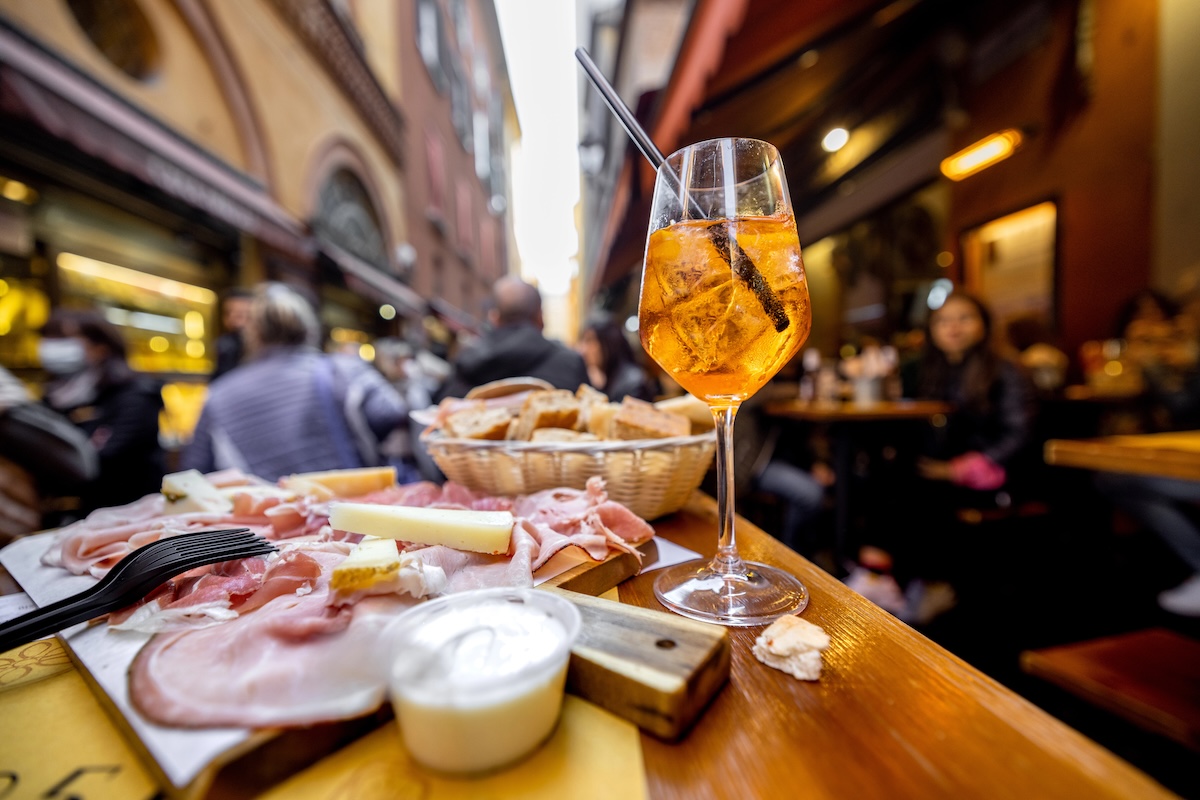
If there’s one thing you absolutely shouldn’t miss in Bologna, it’s the food. The city isn’t nicknamed La Grassa, or The Fat One, for nothing. This is the home of some of Italy’s most famous culinary traditions, and personally, I think eating should be an actual activity on your Bologna itinerary, not just something you squeeze in between sightseeing stops.
I ate incredibly well in Bologna. In fact, I remember having precisely one rather average coffee, while practically everything else I tried was fantastic. Not a bad success rate.
For a first visit, I’d seriously consider booking a food tour. The Bologna Food and Market Tour is a well-reviewed introduction to the city’s specialties, while this private food tour with 6 or 10 tastings is a great option if you’d prefer a more personalized experience. The private tour has also generated bookings through my Bologna recommendations.
A good food tour is particularly worthwhile in Bologna because the local specialties have so much history behind them. You’ll understand what you’re eating, where it comes from, and why the locals are quite so serious about it.
What to eat in Bologna
- Tagliatelle al ragù: Fresh egg pasta with Bologna’s famous slow-cooked meat sauce. And please, forget spaghetti Bolognese. That’s not how the locals do it.
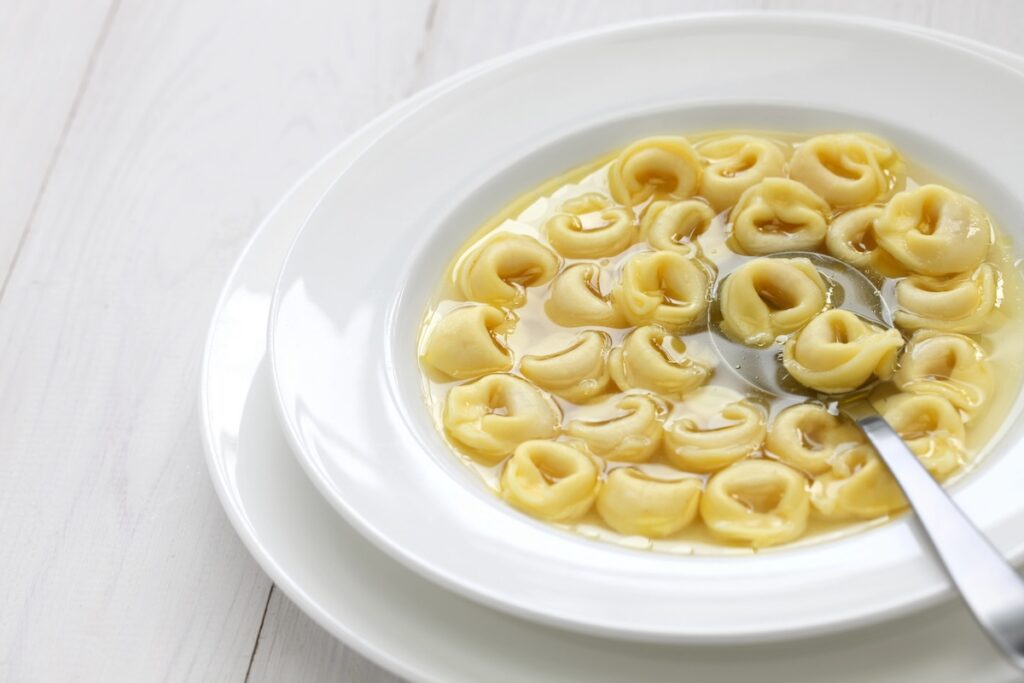
- Tortellini in brodo: Tiny stuffed pasta served in a rich broth. This is practically the perfect winter meal.
- Lasagne verdi alla Bolognese: Traditional lasagna with green spinach pasta, ragù, béchamel, and Parmigiano Reggiano.
- Mortadella: Bologna’s famous cured meat. Try it in a sandwich, on a platter, or as part of a local food tasting.
- Tigelle and crescentine: Traditional breads, often served with cured meats, cheeses, and spreads.
- Parmigiano Reggiano and balsamic vinegar: Two of Emilia-Romagna’s most famous products. If you love them, consider visiting the producers on a Food Valley tour.
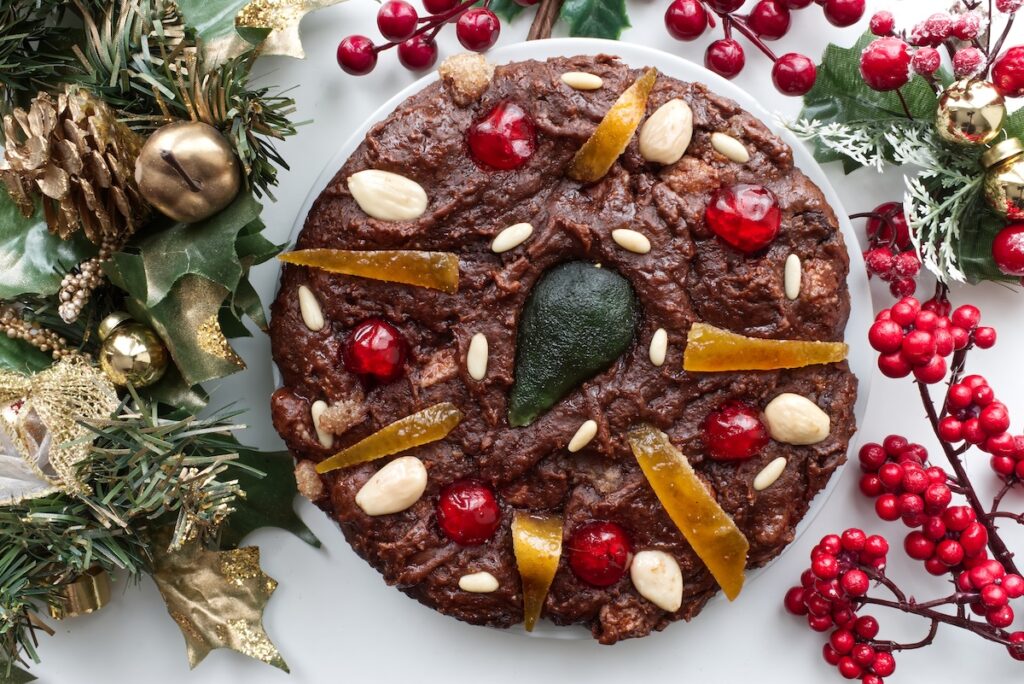
- Certosino: Bologna’s traditional Christmas cake, made with honey, nuts, chocolate, candied fruit, and spices. Look for it in bakeries during December.
Explore the Quadrilatero food streets
Even if you don’t book a food tour, you absolutely need to explore the Quadrilatero, the maze of narrow market streets just off Piazza Maggiore.
Walk along Via Drapperie, Via Pescherie Vecchie, and the streets around Mercato di Mezzo. You’ll find traditional food shops, deli counters, fresh pasta, cured meats, cheeses, little bars, and plenty of opportunities to accidentally turn a quick snack into a very substantial lunch.
For something casual, I recommend Murtadela for mortadella, Tigellino for tigelle, and Piadineria la Piadeina for piadine. For a proper sit-down meal, I’d look at Sfoglia Rina or La Montanara.
And don’t overlook aperitivo. One of my favorite things about Bologna is that eating and drinking feel wonderfully social and unhurried. Grab something delicious from a food shop, sit down for a glass of wine, and enjoy the atmosphere.
My biggest advice? Don’t book a food tour immediately after a big lunch. Most of these experiences include substantial tastings, and you’ll enjoy them much more if you arrive hungry.
Book your Bologna food tour:
Bologna Food and Market Tour with Local Dishes, Pasta and Wine
My first choice for a classic introduction to Bologna’s food scene, with a strong review record and plenty of traditional tastings.Bologna Private Food Tour with 6 or 10 Tastings
Best for couples or small groups wanting a more personalized food experience. This is a proven booking performer in my Bologna recommendations.Bologna Food Tour with Pasta, Wine and Gelato
Another highly rated option if you’d like to compare routes, tastings, and departure times.
2. Learn to make fresh pasta in a Bologna cooking class
If there’s a city in Italy where I’d recommend taking a cooking class, Bologna is definitely near the top of the list. This is the home of tagliatelle, tortellini, rich ragù, and some very strong opinions about how pasta should be made.
And a cooking class is one of the best things to do in Bologna in winter. You’re spending a few hours indoors, learning something useful, eating delicious food, and hopefully leaving with a skill you can recreate at home. Much more appealing than wandering around in freezing rain, if you ask me.
My first recommendation is Pastamama: Fresh Pasta Cooking at Grazia’s Home. It’s a highly rated experience with hundreds of reviews, and it’s already generated bookings through this Bologna article. I particularly like that it’s set in a local home, which makes the experience feel much more personal than another generic cooking demonstration.
If you’d prefer a class focused on Bologna’s signature pasta and ragù, the Bologna pasta, ragù, spritz and gelato cooking class is another excellent option with a very strong review record.
Which Bologna cooking class should you choose?
- Traditional home cooking: Choose Pastamama for a smaller, local-home atmosphere.
- Classic Bologna specialties: Choose the pasta, ragù and spritz class if you’d particularly like to learn Bologna’s famous dishes.
- Pasta and dessert: The pasta and tiramisu cooking class with wine is a good alternative if you want a combination of savory and sweet.
Before booking, check whether the class includes a full meal, drinks, recipes, and the dishes you actually want to learn. Not every pasta class teaches tortellini, and some focus on broader Italian cooking rather than specifically Bolognese cuisine.
I’d also book a class with enough time to enjoy it properly. The point is to get your hands into the pasta dough, have a good time, and eat what you’ve made, not to rush off to another museum halfway through your meal.
Book your Bologna cooking class:
Pastamama: Fresh Pasta Cooking at Grazia’s Home
My first choice for a personal home-cooking experience and a proven affiliate performer.Bologna Pasta, Ragù, Spritz and Gelato Cooking Class
A highly rated alternative focused on hands-on Italian cooking and Bologna specialties.

3. Experience Christmas markets and festive Bologna
If you’re visiting Bologna in December, make time for the Christmas markets, festive decorations, and seasonal treats. Bologna already has such a beautiful, atmospheric historic center, and the Christmas lights make those red-brick streets and endless porticoes feel even more inviting.
What I particularly like about Bologna’s Christmas markets is that they’re spread through the historic center rather than concentrated in one enormous tourist market. You can combine them with normal sightseeing, food stops, and wandering around the city without needing a separate itinerary.
The best Christmas markets in Bologna
- Santa Lucia Christmas Market: Bologna’s most traditional festive market, located under the beautiful porticoes of Santa Maria dei Servi on Strada Maggiore. Confirmed for November 6 – December 27, 2026. Expect Christmas decorations, nativity figurines, sweets, and traditional gifts.
- Via Altabella Christmas Market: A central market selling festive gifts, decorations, and sweets, scheduled from November 20, 2026, to January 6, 2027.
- French Christmas Village: Returning to Piazza Minghetti from December 5–8, 2026, with French food specialties, gifts, and crafts.
- Porta Galliera Christmas Market: Near the train station, scheduled from November 19, 2026, to January 6, 2027.
- Christmas lights and decorations: Explore Piazza Maggiore, Piazza del Nettuno, Via Indipendenza, and the surrounding historic streets after dark.
I’d start around Piazza Maggiore, explore the central markets, and then walk towards Strada Maggiore for the Santa Lucia Fair. The market takes place beneath one of Bologna’s most impressive porticoes, so even if the weather isn’t great, you’re partly sheltered as you browse.
And while you’re exploring, look out for Certosino, also known as pan speziale. This is Bologna’s traditional Christmas cake, made with honey, almonds, pine nuts, chocolate, candied fruits, and spices. It’s dense, rich, and exactly the sort of thing that makes a cold winter afternoon more enjoyable.
For New Year’s Eve, Bologna traditionally celebrates in Piazza Maggiore with the symbolic burning of the Vecchione, an effigy representing the old year. It’s a fascinating local tradition, although the detailed programme for December 31, 2026, should be confirmed closer to the date.
If you’re visiting during the Christmas holidays, I’d arrange your accommodation and any must-do activities ahead of time. A Bologna city walking tour is a good introduction to the historic center, while a traditional pasta cooking class makes a lovely indoor activity on a cold December afternoon.
Planning Christmas in Bologna? The markets themselves don’t require booking, but I’d reserve central Bologna accommodation and your preferred food experiences ahead of time. Early December weekends, public holidays, Christmas, and New Year can all affect availability.

4. Explore Piazza Maggiore and Bologna’s historic landmarks
One of the things that surprised me most about Bologna was the sheer scale of its architecture. The buildings are enormous, the porticoes seem to go on forever, and even the doors are so ridiculously big that I struggled to fit them into my photos.
Bologna feels red, bricky, grand, and a little moody in the best possible way. And Piazza Maggiore is the perfect place to experience all of that.
I loved the atmosphere here, especially the musicians and artists busking around the square. It’s lively without feeling quite as overwhelming as the main tourist squares in Florence or Rome, and I could happily spend a while just sitting and watching everything going on.
For a first visit, I’d recommend this Bologna City Walking Tour. It’s a well-established experience with hundreds of reviews, and it’s already generated bookings through this article. Bologna has so much history tucked into its streets that having someone explain what you’re looking at can make a big difference.
What to see around Piazza Maggiore
- Basilica di San Petronio: The enormous unfinished church dominating Piazza Maggiore. Step inside to see the monumental interior, chapels, and famous meridian line running across the floor.
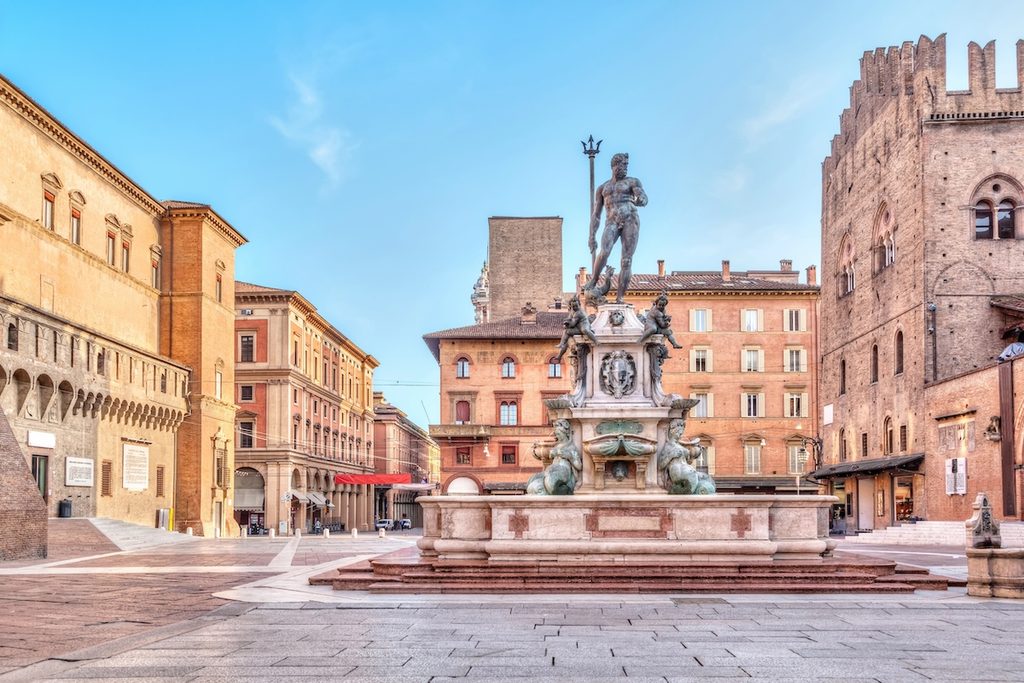
- Fountain of Neptune: One of Bologna’s most recognizable monuments, just beside the main square.
- Palazzo d’Accursio: Bologna’s historic town hall, home to the Clock Tower and Municipal Art Collections.
- Torre dell’Orologio: One of the best viewpoints over the historic center. Book this Clock Tower and Art Collections ticket for panoramic views over Piazza Maggiore and the rooftops.
- The Two Towers: Bologna’s most famous medieval towers, Asinelli and Garisenda. They’re still worth seeing from the outside, but the Asinelli Tower is currently closed to visitors.
The Clock Tower is particularly worth considering if you want to see Bologna from above. The Asinelli Tower was traditionally the city’s big panoramic attraction, but it’s currently closed, so the Clock Tower is the much more practical choice.
On a clear winter day, the views over the red rooftops and surrounding hills can be beautiful. Just be aware that the tower involves stairs and that visitor access is controlled, so I’d check the available time slots before going.
For a more comprehensive introduction, there’s also a Bologna walking tour combining the Clock Tower viewpoint and Archiginnasio, which is particularly convenient if you want to cover several historic attractions together.
Book Bologna’s historic highlights:
Bologna City Walking Tour
My pick for a first visit, with a strong review history and proven bookings from this article.Clock Tower and Municipal Art Collections Ticket
Best if you want panoramic city views and don’t need a full guided tour.Bologna Walking Tour with Tower Sky View and Archiginnasio
A convenient option for combining the viewpoint with Bologna’s university history.

5. Walk Bologna’s famous porticoes and visit San Luca
Bologna’s porticoes are one of the things that make the city so special, and they’re particularly useful in winter. These beautiful covered walkways stretch for kilometers through the historic center, providing shelter from rain and giving the city a completely different atmosphere from other Italian destinations.
They’re also part of a UNESCO World Heritage Site, and walking beneath them is one of the best free things to do in Bologna.
But the most famous portico is the one leading to the Sanctuary of Madonna di San Luca, perched on a hill above the city.
The route stretches approximately 3.8 kilometers from the Porta Saragozza area, with hundreds of arches leading you towards the hilltop sanctuary. It’s an incredible piece of architecture, but it’s also a proper uphill walk, especially towards the end.
For me, the views from San Luca were the real highlight. Looking out over Bologna and the surrounding hills gives you a completely different perspective on the city, and it’s especially lovely on a clear winter day.
Walking to San Luca in winter: practical tips
- Allow plenty of time: The uphill walk is substantial, so don’t squeeze it into an already packed afternoon.
- Wear comfortable shoes: The final section involves stairs, and surfaces can be slippery in wet weather.
- Choose a clear day: The views are part of the appeal, and winter daylight is limited.
- Consider a guided experience: This Porticoes of Bologna and San Luca guided tour adds historical context to the walk and sanctuary.
- Don’t want the climb? The San Luca Express tourist train is an alternative. Check departure times and whether its route and frequency suit your visit.
If you’re spending just one day in Bologna, I’d only include the full San Luca walk if you start early. Otherwise, enjoy the porticoes around the historic center and save the sanctuary for a longer visit.
My preference would be to do San Luca in the morning, then return to the center for lunch. Tackling the uphill section immediately after a substantial plate of tagliatelle al ragù sounds like a questionable life decision.
Book a San Luca experience: If you want the famous porticoes and sanctuary explained by a guide, consider the Porticoes of Bologna and Basilica San Luca Guided Tour. Otherwise, I’d walk independently on a dry day or take the San Luca Express if you want to avoid the climb.

6. Discover Santo Stefano and Bologna’s university history
Bologna is nicknamed La Dotta, The Learned One, thanks to its extraordinary university history. And if you enjoy historic buildings, beautiful architecture, and slightly unusual museums, there are two places I’d definitely recommend.
Archiginnasio and the Anatomical Theatre
The Archiginnasio is the former main building of the University of Bologna, with incredible courtyards, coats of arms, frescoes, and ornate architectural details.
The highlight is the Anatomical Theatre, a beautifully carved wooden lecture hall where medical students once watched human dissections. It’s decorated with statues representing anatomy, an elaborate ceiling, and the famous marble dissection table in the center.
I found it fascinating, although it was actually smaller than I expected. Don’t plan half a day around it. It’s more of a short, memorable visit than an enormous museum.
Before leaving, peek through the gates into the historic library. You can’t simply wander through the reading room as a tourist, but the view of those beautiful old bookshelves is worth a look.
If you’d like the university history explained, this Archiginnasio and Clock Tower walking tour is a convenient option, especially if you’re short on time.
Piazza Santo Stefano and the Seven Churches
Santo Stefano was one of my favorite places in Bologna. After the busy streets and food shops around the Quadrilatero, the square feels beautifully peaceful.
The Basilica di Santo Stefano, also known as the Seven Churches, is a fascinating complex of interconnected religious buildings, chapels, courtyards, and cloisters.
It feels like a church within a church within a monastery, with all these different historical and architectural layers built into each other. I loved wandering through it, and I’d really recommend taking your time rather than treating it as another quick photo stop.
You can combine Santo Stefano with the Archiginnasio, Quadrilatero, and Piazza Maggiore on foot, making it a very easy addition to a winter sightseeing day.
Book Bologna’s university and historic highlights: The Clock Tower and Archiginnasio Walking Tour combines important historic sights with a city viewpoint. If you’re mainly interested in the university building, consider the Archiginnasio Small-Group Guided Tour instead.

7. Explore Bologna’s atmospheric neighborhoods and hidden corners
Once you’ve seen the main attractions, I’d leave some time to simply explore. Bologna has a fantastic mix of historic streets, independent shops, student life, little bars, and hidden corners that are easy to miss if you’re rushing from one landmark to the next.
I really enjoyed that slightly creative, hipster atmosphere. Bologna feels young and lively without losing its history, and some of my favorite moments were simply wandering around without a particular destination in mind.
My favorite areas and hidden stops
- Ghetto Ebraico: Atmospheric narrow streets, independent shops, restaurants, wine bars, and plenty of student energy. One of my favorite areas for aperitivo. Look around Camera a Sud, La Prosciutteria, and Le Vie Dei Briganti.
- Finestrella di Via Piella: A tiny window revealing Bologna’s hidden canal. A fun little stop, although I wouldn’t go wildly out of my way for it.
- The university area: Explore the streets around Via Zamboni for historic university buildings, cafés, bookstores, and a lively student atmosphere.
- Giardini Margherita: Bologna’s main park, with a little lake where I loved spotting the turtles. Best on a dry winter afternoon.
- Le Serre dei Giardini: Greenhouse spaces, cafés, casual food, drinks, and a relaxed atmosphere. Check current winter opening hours before making a special trip.
For a relaxed evening, I’d head to the Ghetto Ebraico for aperitivo. And if you’d rather discover the local food scene with a guide, this Bologna food tour with a local is a good way to combine neighborhood exploring with regional specialties.
My winter tip: Keep the park and outdoor wandering for a dry day, and don’t feel obliged to walk every street just because it’s on a sightseeing map. Bologna is much more enjoyable when you have time to sit down somewhere cozy and enjoy the atmosphere.

8. Discover Bologna’s museums and rainy-day attractions
If it rains, Bologna has more than enough museums and indoor attractions to keep you occupied. And with the university’s long history, the city has some particularly interesting cultural collections.
I wouldn’t try to visit everything. For a short winter trip, I’d choose one or two museums that genuinely interest you and leave the rest of the time for food, wandering, and the main sights.
| Museum or attraction | Why visit |
| Pinacoteca Nazionale | One of Bologna’s most important art galleries, with medieval, Renaissance, and Baroque works, including artists such as Raphael, the Carracci, and Guido Reni. |
| MAMbo | Bologna’s modern art museum, with contemporary exhibitions and 20th-century collections. |
| Palazzo Pepoli | The Museum of the History of Bologna, ideal for understanding the city’s past, architecture, and cultural identity. |
| Palazzo Poggi | Historical university and scientific collections, including fascinating educational exhibits and anatomical materials. |
| Archiginnasio and Anatomical Theatre | Beautiful historic university interiors and the famous wooden lecture hall. Consider an Archiginnasio guided tour. |
| Clock Tower and Municipal Art Collections | A combination of art and panoramic city views. Book the Clock Tower and Art Collections ticket. |
For me, the Archiginnasio and Anatomical Theatre would be the first choice for something distinctly Bolognese. If you’re more interested in painting, go for Pinacoteca Nazionale. For contemporary art, choose MAMbo.
There’s also Grand Tour Italia, the successor to the former FICO Eataly World, outside the historic center. It’s an optional food-themed attraction rather than something I’d prioritize over Bologna’s actual markets and traditional restaurants. Check the current programme and transport before visiting, especially in winter.
Practical tip: Many museums have weekly closing days or modified holiday hours. I’d check the schedule for your exact date, especially around Christmas and New Year, rather than building your entire rainy-day plan around one attraction.

9. Explore Emilia-Romagna’s Food Valley
If food is the main reason you’re visiting Bologna, I’d seriously consider spending a day exploring Emilia-Romagna’s Food Valley. The region is home to some of Italy’s most iconic products, including Parmigiano Reggiano, traditional balsamic vinegar, Prosciutto di Parma, Lambrusco, and countless other specialties.
And while you can easily visit Parma or Modena by train, the really interesting food experiences often happen outside the city centers, at dairies, vinegar producers, wineries, and family-run businesses.
This is one of the excursions where I genuinely think paying for an organized tour makes sense. The Bologna Food Experience: Factory Tours and Lunch combines producer visits, tastings, and a proper meal, without having to organize all the transport yourself.
It’s also the highest-earning Bologna experience in my historical affiliate results, so it’s one I’d particularly recommend looking at if you want a memorable food-focused day trip.
Which Food Valley tour should you book?
- Best overall: The Food Valley Factory Tours and Lunch, with a strong review record and proven bookings.
- Best food and wine alternative: The Food Valley Factory Tasting and Winery Lunch.
- Best for food and cars: The Parmesan and Balsamic Tour with Ferrari Museum, particularly if you’re traveling with someone who loves cars as much as you love food.
Visit a Parmigiano Reggiano cheese factory
I’ve visited a Parmigiano Reggiano factory, and boy, was I not prepared for the smell.
It’s intense. Very, very intense. Not necessarily bad, but definitely an experience for the nose as much as the taste buds.
What I loved was seeing all those enormous wheels of cheese stacked up and learning how the aging process works. One of the most fascinating parts was tapping the wheels with the little testing hammer and actually hearing the difference between younger and older Parmigiano.
It’s one of those experiences that makes you appreciate a familiar food completely differently. You’ll never look at a supermarket wedge of Parmesan quite the same way again.
Discover traditional balsamic vinegar and regional food producers
Modena is famous for traditional balsamic vinegar, and visiting an acetaia is a fascinating way to understand the difference between proper aged balsamic vinegar and the inexpensive stuff many of us are used to buying.
Depending on the tour, you might also visit a winery, taste Lambrusco, try local cured meats, or enjoy a traditional lunch. I’d compare the actual producer stops rather than simply choosing whichever tour has the longest list of things included.
My practical tip: Check the meeting time and pickup arrangements carefully. Dairy visits often start early because that’s when production happens, and many of the best producers aren’t accessible by regular public transport.
I’d also come hungry and avoid making dinner reservations for immediately after your tour. Between cheese tastings, balsamic, wine, and lunch, you might not be particularly interested in another enormous meal.
Book your Emilia-Romagna Food Valley experience:
Bologna Food Experience: Factory Tours and Lunch by Italian Days
My first choice for a proper Food Valley experience, combining producer visits, tastings, and lunch. A proven high-commission booking performer.Food Valley Small-Group Factory Tasting and Winery Lunch
A highly rated alternative if you’d like a food-and-wine-focused excursion.


10. Discover Motor Valley: Ferrari, Lamborghini and Ducati
Emilia-Romagna isn’t just famous for incredible food. It’s also home to some of the biggest names in Italian motoring, including Ferrari, Lamborghini, Pagani, Ducati, and Maserati.
Now, I have to admit that this isn’t really my area of expertise. I wouldn’t say no to a Lamborghini in my garage, obviously, but I’m not someone who can spend hours discussing engine specifications.
That said, Motor Valley is one of the best day trips from Bologna for car enthusiasts, and some of the factory and museum experiences are genuinely special.
If you want to visit several manufacturers in one day, I’d look at this Ferrari, Lamborghini and Pagani Factories and Museums Tour from Bologna. It’s a premium excursion, but the manufacturers are spread across the region, so having transport organized makes a big difference.
Which Motor Valley attractions are worth visiting?
- Ferrari: Visit the Enzo Ferrari Museum in Modena or the Ferrari Museum in Maranello. The two museums focus on different parts of the brand’s history.
- Lamborghini: Explore the Lamborghini Museum in Sant’Agata Bolognese, with possible factory experiences depending on the tour.
- Pagani: Discover the famous hypercar manufacturer and its distinctive approach to design and engineering.
- Ducati: Visit the motorcycle museum in Borgo Panigale, just outside Bologna’s center. Factory visits may be available on selected days.
- Imola: A famous motorsport destination with the Autodromo Enzo e Dino Ferrari.
The important thing is to check exactly what’s included in your booking. A museum visit is not necessarily the same as a factory tour, and a test drive is usually a separate experience. Some tours include several museum admissions and transport, while others offer factory access only when the production schedule allows it.
If you’re interested in Ferrari but don’t want a full-day premium excursion, consider visiting the Enzo Ferrari Museum in Modena. It’s a much easier option to combine with an independent train trip to the city.
And if you’re traveling with someone who loves cars but you’re more interested in the food, the Parmesan, Balsamic and Ferrari Museum Tour is a pretty good compromise. Cheese for one of you, supercars for the other. Everybody wins.
Book your Motor Valley experience:
Ferrari, Lamborghini and Pagani Factories and Museums Tour
My first choice for serious car enthusiasts wanting a premium multi-brand day trip with transport.Ferrari, Ducati and Lamborghini Factories and Museums
A good alternative if you want to include Ducati alongside the major Italian supercar brands.Parmesan, Balsamic and Ferrari Museum Day Tour
Best for combining Emilia-Romagna’s food traditions with a Ferrari museum visit.

11. Take a winter day trip from Bologna
Bologna is one of the best bases in Northern Italy for day trips, thanks to its excellent train connections and location in the heart of Emilia-Romagna.
If you have only two days, I’d stay in Bologna. There’s enough to see, eat, and enjoy without spending half your trip on trains. But with three or four days, adding a regional excursion can be a fantastic idea.
The best winter day trips from Bologna
- Modena: Beautiful historic center, traditional balsamic vinegar, Mercato Albinelli, and the Enzo Ferrari Museum. An easy independent train trip.
- Parma: Elegant streets, impressive cathedral frescoes, Parmigiano Reggiano, and Prosciutto di Parma. I’d particularly recommend Parma for food lovers.
- Ravenna: Extraordinary Byzantine mosaics and UNESCO-listed monuments. Take the train and consider this highly rated Ravenna mosaics guided tour.
- Ferrara: Renaissance architecture, a beautiful castle, and a historic center that’s easy to explore on foot.
- Florence: Renaissance art, the Duomo, beautiful piazzas, and world-famous museums. Easy by high-speed train, although I’d stay overnight if possible.
- Dozza and Brisighella: Charming smaller towns, colorful murals, and countryside scenery. Better with a car or organized transport.
- Colli Bolognesi: Hills, wineries, and local wine traditions. Consider a Bologna Hills winery tour and tasting, but check whether transport is included.
For most city day trips, I’d take the train independently. Bologna is brilliantly connected, and you really don’t need to pay for a guided transfer to visit places like Modena, Parma, or Ferrara.
However, for Food Valley, Motor Valley, wineries, and smaller countryside destinations, a guided tour or rental car can make much more sense. The interesting places are often scattered outside the towns, and coordinating several separate transfers isn’t my idea of a relaxing holiday.
For a detailed comparison of routes, transport, and which places are actually worth your time, see my guide to the best day trips from Bologna.
Book your Bologna winter day trip:
Food Valley Factory Tours and Lunch
My top pick for an authentic Emilia-Romagna food-focused day trip.Ferrari, Lamborghini and Pagani Motor Valley Tour
Best for car enthusiasts wanting a premium organized excursion.Ravenna Mosaics Guided Tour
My choice for an art and history day trip, with a strong review record and a much easier independent train journey.
My recommendation: Choose Food Valley if food is your priority, Motor Valley if you love cars, and Ravenna if you’re most interested in art and history. With a longer trip, I’d explore a couple of these, but I wouldn’t sacrifice Bologna itself just to collect more destinations.
Christmas in Bologna 2026/27: events and dates
If you’re visiting Bologna in December 2026, the Christmas markets, festive decorations, and seasonal food make an already atmospheric city even lovelier. I particularly like that Bologna’s markets are scattered throughout the historic center, so you can easily combine them with sightseeing, food stops, and wandering under the porticoes.
These are the main confirmed dates for Christmas in Bologna 2026/27:
- November 6 – December 27, 2026: Santa Lucia Christmas Market beneath the beautiful porticoes of Santa Maria dei Servi on Strada Maggiore. My pick for the most traditional festive atmosphere.
- November 20, 2026 – January 6, 2027: Christmas Market on Via Altabella, with gifts, decorations, and seasonal sweets near Piazza Maggiore.
- November 19, 2026 – January 6, 2027: Porta Galliera Christmas Market near Bologna Centrale.
- December 5–8, 2026: French Christmas Village in Piazza Minghetti, with food specialties, crafts, and festive stalls.
- December 12–24, 2026: Traditional antiques fair beneath the Voltone del Podestà.
- December 31, 2026: Bologna is preparing its traditional New Year’s Eve celebration in Piazza Maggiore, including the burning of the Vecchione, a symbolic figure representing the old year. The full event programme and admission arrangements are still to be announced.
If I could choose my dates, I’d go in early December. You’ll get the Christmas atmosphere, festive food, and beautiful decorations without having to plan your entire visit around Christmas Day closures. It’s also the perfect excuse to try Certosino, Bologna’s traditional Christmas cake.
Just remember that festive weekends and public holidays can be busy. I’d book accommodation in Bologna early for December weekends, Christmas, and New Year.
Bologna in December, January and February: which month is best?
Each winter month has its advantages, so I’d choose based on the kind of city break you’re planning.
- Bologna in December: Best for Christmas markets, festive lights, seasonal food, and atmospheric evenings. My favorite choice for a winter city break with a little extra magic.
- Bologna in January: Best for a quieter food-focused getaway, museums, galleries, and exploring after the Christmas crowds have disappeared. It’s usually the coldest month, but Bologna’s porticoes make sightseeing much easier.
- Bologna in February: Best for art, culture, food experiences, and slightly longer days. Arte Fiera runs February 5–7, 2027, with a preview on February 4. It’s a major contemporary art event, so expect additional visitors and potentially higher accommodation demand.
For most travelers, I’d choose December for the Christmas atmosphere or January for a more relaxed visit. Just compare hotel availability across your dates, especially if you’re considering the Christmas holidays or Arte Fiera.
Bologna winter weather and snow
Bologna winter is usually cold, damp, and occasionally foggy rather than snowy. Expect chilly mornings, cold evenings, and cool daytime temperatures. Rain is possible, so it’s smart to keep a cooking class, museum, or another indoor activity in your plan.
Snow in Bologna is relatively uncommon, and when it does fall, it usually doesn’t last very long. You shouldn’t plan a Bologna winter trip expecting snow-covered streets. The surrounding Apennines are a better option if snowy scenery is your priority.
The good news is that Bologna works brilliantly in winter. The covered porticoes make exploring the historic center much more pleasant, while the food scene, museums, markets, and traditional pasta cooking classes are practically made for cold afternoons.
| Bologna in winter | What to expect |
| December | Cold, short days, occasional fog, and a beautiful Christmas atmosphere. |
| January | Usually the coldest month, with chilly mornings, damp weather, and occasional frost. |
| February | Still wintery, but gradually longer days and occasional milder afternoons. |
| Snow | Possible but uncommon in the historic center. Don’t plan your visit around it. |
| Rain | Possible throughout winter, although the porticoes provide excellent shelter for exploring. |
| Best winter activities | Food tours, cooking classes, Christmas markets, porticoes, museums, historic landmarks, and Food Valley excursions. |
What’s open in Bologna during Christmas and New Year?
If you’re visiting Bologna over Christmas or New Year, don’t assume museums, attractions, shops, and restaurants will follow their normal opening hours. Some stay open with special holiday schedules, while others close completely.
The main dates to keep in mind are:
- December 8: Immaculate Conception, a national public holiday. The Christmas markets are a big attraction, but individual opening hours may differ.
- December 24: Christmas Eve. Some shops, museums, and attractions close early. Book dinner ahead if you have somewhere specific in mind.
- December 25: Christmas Day. Expect significant closures, including many museums and shops. Some churches hold services and selected restaurants offer Christmas meals.
- December 26: Santo Stefano, another national holiday. Some attractions reopen with special hours.
- December 31 – January 1: New Year’s celebrations. Expect changes to museum hours, restaurant bookings, and public transport schedules.
- January 6: Epiphany, a national holiday and the scheduled final day of some Bologna Christmas markets.
One useful detail is that Bologna doesn’t simply shut down completely for the holidays. Some attractions, including the Archiginnasio and Clock Tower, have offered special holiday openings in previous years. However, the complete 2026/27 museum holiday schedule has not yet been confirmed, so check your specific dates before arranging timed visits.
For Christmas Day itself, I’d plan a relaxed walk around the decorated historic center and book a good Christmas lunch rather than trying to cram in major attractions. Save your Bologna walking tour and Clock Tower visit for dates when they’re operating.

Getting around Bologna in winter
Bologna is very easy to explore without a car, especially if you stay in the historic center. And thanks to all those beautiful covered porticoes, walking around is much more pleasant in winter than in most Italian cities.
For Piazza Maggiore, the Quadrilatero, Santo Stefano, Archiginnasio, and the Ghetto Ebraico, walking is usually the best option. For San Luca, attractions farther out, and regional excursions, public transport or guided tours make more sense.
| Transport option | Best for |
| Walking | Piazza Maggiore, Quadrilatero, Santo Stefano, university streets, Archiginnasio, and the historic center. |
| Buses | Attractions outside the historic center, Bologna Centrale connections, and longer journeys around the city. |
| San Luca Express | Visiting the Sanctuary of Madonna di San Luca without walking the entire uphill portico route. |
| Trains | Independent day trips to Modena, Parma, Ravenna, Ferrara, Florence, Milan, Verona, and Venice. |
| Guided tours | Producer visits, countryside wineries, Food Valley, and Motor Valley, where the attractions are spread across the region. |
| Rental car | Smaller towns and countryside excursions. Not necessary for Bologna itself, where the historic center has restricted traffic zones. |
If you’re flying into Bologna, the Marconi Express connects the airport with Bologna Centrale. There’s also an airport bus connection, while the train station is within walking distance of much of the northern historic center.
My take: Skip the car for a Bologna city break. I’d stay around Piazza Maggiore, Santo Stefano, or the Ghetto Ebraico for atmosphere, or closer to Bologna Centrale if you’re planning several train day trips. Check my where to stay in Bologna guide for the best areas. For Food Valley and Motor Valley, I’d book an organized excursion rather than spending half the day figuring out transfers.
How many days do you need in Bologna in winter?
I would spend at least two days in Bologna in winter. One day is enough for a quick taste, but two days gives you time for the historic center, porticoes, university attractions, food markets, and a proper Bolognese meal without rushing.
Three days is even better if you want to add San Luca, a cooking class, or some more relaxed exploring. I’d allow an extra day for Food Valley, Motor Valley, or a regional excursion.
| Time in Bologna | Best winter plan |
| 1 day | Piazza Maggiore, Basilica di San Petronio, Quadrilatero, Archiginnasio, Santo Stefano, and aperitivo. For an easy introduction, book a Bologna walking tour. |
| 2 days | Day 1: historic center and food streets. Day 2: San Luca, hidden corners, museums, and a traditional pasta cooking class. |
| 3 days | Add a Food Valley excursion, a Motor Valley tour, or an independent train trip to Modena, Parma, or Ravenna. |
| 4+ days | Explore Emilia-Romagna more widely, add multiple day trips from Bologna, and spend more time enjoying the food, neighborhoods, and museums. |
For most travelers, the sweet spot is two or three days. Less than that feels rushed, and more is mainly worth it if you’re using Bologna as a base for exploring the region. For a practical day-by-day route, follow my Bologna itinerary for 1, 2 or 3 days.
What to pack for Bologna in winter
Winter in Bologna can be chilly, foggy, rainy, or surprisingly pleasant on a sunny afternoon. I’d pack warm layers, but there’s no need to bring expedition-level winter equipment.
- Warm winter coat and layers: For cold mornings, evenings, and long sightseeing days.
- Comfortable waterproof shoes: You’ll be walking a lot, sometimes on wet cobblestones or uneven streets.
- Scarf, gloves, hat, and compact umbrella: Especially useful in January and for longer outdoor excursions.
- Something smart-casual: For nicer restaurants, wine bars, and evenings out.
- Day bag and portable charger: Handy for carrying extra layers and keeping your maps and tickets accessible.
And honestly, I’d prioritize comfortable shoes over looking perfectly Italian. Bologna is a city for walking and eating, and neither activity is improved by painful feet.
FAQ about visiting Bologna in winter
Is Bologna worth visiting in December?
Absolutely. December is a lovely time for Bologna’s Christmas markets, festive decorations, traditional food, and atmospheric historic center. I’d choose early December if you want the Christmas experience without as many holiday closures.
Are Bologna’s Christmas markets open in January?
Some are. The Via Altabella and Porta Galliera markets are scheduled until January 6, 2027. The traditional Santa Lucia Fair ends on December 27, 2026.
Is Bologna a good destination for a winter city break?
Yes, especially for food lovers. The compact historic center, beautiful covered porticoes, museums, restaurants, and food tours make Bologna enjoyable even when the weather isn’t great.
Can you climb the Asinelli Tower in Bologna?
The Asinelli Tower is currently closed to visitors, so don’t plan your trip around climbing it. For panoramic views over Bologna, I’d choose the Clock Tower and Municipal Art Collections instead.
Can you visit San Luca in winter?
Yes. You can walk the famous covered portico route to the sanctuary or use the San Luca Express tourist train when operating. I’d choose a dry, clear day for the views and wear shoes with good grip for the uphill sections.
Do Bologna food tours and cooking classes run in winter?
Yes, many operate year-round, making them some of the best winter activities in Bologna. Check available dates for the Bologna food tour or Pastamama cooking class, particularly around Christmas and New Year.
Can you visit Ferrari and Lamborghini from Bologna in winter?
Yes. Motor Valley museums and guided excursions operate on selected winter dates, although factory access and holiday schedules vary. I’d compare the inclusions of a Ferrari, Lamborghini and Pagani tour before booking.
Is Bologna expensive in winter?
Bologna can offer good value outside major events and holidays, but prices vary. Christmas, New Year, and Arte Fiera can increase accommodation demand. I’d compare hotels for your exact dates rather than assuming winter is automatically cheap.

Planning a winter trip to Italy?
Bologna is one of my favorite cities in Northern Italy for food, architecture, and simply enjoying the atmosphere. You don’t need endless attractions to have a brilliant time here. I’d book a good food experience, explore the historic center, visit Santo Stefano, and leave plenty of room for spontaneous pasta stops and aperitivo.
It’s also an excellent base for a longer Italy itinerary. You can easily combine Bologna with Venice in winter, Milan in winter, or Verona in winter. And if you’re still deciding where to go, my Italy in winter guide is a great place to start.
Read next:
Bologna travel guides:
Bologna itinerary: 1, 2 or 3 days
Where to stay in Bologna
Best day trips from Bologna
Winter in Italy:
Best things to do in Italy in winter
Venice in winter
Venice Carnival Guide
Milan in winter
Verona in winter
More Northern Italy itineraries:
Venice itinerary: 1–5 days
Milan itinerary: 2–5 days
Verona itinerary: 1–3 days
Book your Bologna trip:
Compare Bologna accommodation
Bologna food and market tour
Pastamama cooking class
Food Valley factory tour
Motor Valley supercar tour
Reliable travel insurance
Good travel insurance is an absolute must when traveling abroad, and I’ve learned that the hard way!
Now I always get insured before I leave and Travel Insurance Masters is my go-to platform to find the best insurance options for the specific trip.
The TIM platform works as a search engine and suggests the best insurance company and insurance plan for your criteria so you don’t end up paying more for things you don’t need! It also takes into account your age, nationality, destination etc. which can greatly impact the final price.
You can get your quote & provider recommendations here.

Thank you for this article of this charming city! I visited the town 4 years ago and we plan to return next spring!