This site uses affiliates. Thank you for buying through our links and supporting this blog.


Venice in Winter: Best Things to Do & Travel Tips (2026/27)

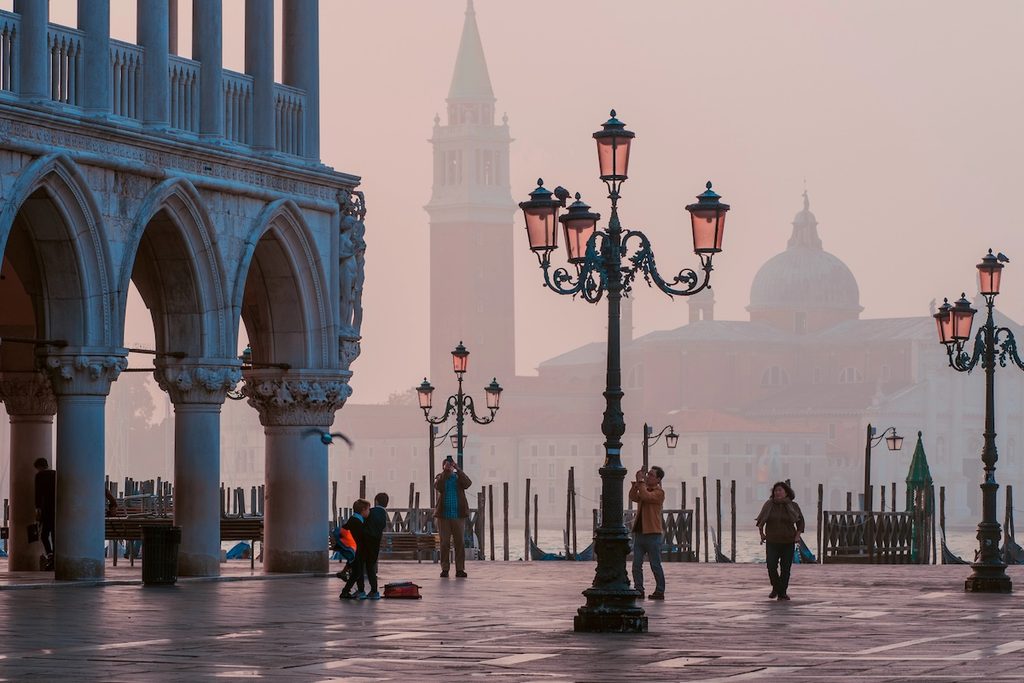
Venice doesn’t get much better than on a crisp, sunny winter day. The canals are quieter, the morning mist makes everything look slightly mysterious, and you can actually stop to admire the architecture without being swept along by a crowd of people.
I’ve been visiting Venice since I was a kid. Growing up just a couple of hours away, I’ve been lucky enough to return more than ten times, in pretty much every season. And while Venice is beautiful year-round, I think winter is one of the best times to experience the city.
Of course, there’s a catch. Venice in winter isn’t always quiet, sunny, or particularly romantic. It can be freezing beside the canals, acqua alta can temporarily flood parts of the city, and the famous Venice Carnival brings its own enormous crowds. But choose your dates carefully, and you’ll discover a completely different side of Venice.
In this guide, I’ll share the best things to do in Venice in winter, including Christmas festivities, Carnival, gondola rides, museums, Venetian food, and some of my favorite hidden corners. I’ll also cover Venice in December, January, and February, where to stay, winter weather, seasonal events, costs, and all the practical details worth knowing before you go.

In a hurry?
Book your Venice winter essentials!
These are the Venice experiences I’d book first for a winter trip. From iconic landmarks to atmospheric walking tours and hands-on Venetian traditions, these are some of the best ways to experience the city.
St. Mark’s Basilica & Doge’s Palace tour
Venice walking tour & gondola ride
Venice ghost stories walking tour
Venetian Carnival mask-making class
Murano & Burano islands tour
Stay at: Rosa Salva Hotel – a comfortable, centrally located base near St. Mark’s Square.
Is Venice worth visiting in winter?
Absolutely. Venice is one of my favorite Italian cities to visit in winter, especially if you prefer exploring without the summer heat and enormous crowds. The architecture is just as spectacular, the canals are beautiful in every season, and there are plenty of indoor attractions when the weather isn’t cooperating.
But I’ll admit, my relationship with Venice didn’t exactly start with love at first sight.
I first visited when I was around 13, and I remember being rather disappointed. It was crowded, confusing, and nowhere near as romantic as I expected. It took several return visits for me to understand that Venice isn’t a city you’re supposed to race through with a checklist of famous landmarks.
It’s a place where you need to get lost, wander down streets that lead absolutely nowhere, discover little canals, and stop for cicchetti and a glass of wine simply because the bar looks inviting.
And that’s precisely why I love visiting Venice during the quieter winter months. Without quite so many people fighting for the same photograph, it’s easier to appreciate what makes this city so special.
December brings Christmas lights and festive decorations, January can be wonderfully peaceful after the holidays, and February is famous for the spectacular Venice Carnival. They’re three very different experiences, so I wouldn’t treat the entire winter season as interchangeable.
The main disadvantages are the cold, damp weather, short days, and possibility of high water. And if you’re coming for Carnival, forget the idea of an empty Venice. It’s one of the city’s busiest and most expensive periods.
My recommendation: If you want Christmas atmosphere, visit in December. For quieter streets and potentially better hotel prices, I’d choose January after Epiphany and before Carnival begins. And if you’ve always dreamed of seeing Venice filled with elaborate costumes and masks, plan your trip around Venice Carnival, January 23 – February 9, 2027. Just book your accommodation well ahead.
Best things to do in Venice in winter: quick answer
There are loads of things to do in Venice in winter, but you certainly don’t need to squeeze everything into one trip. If you’re visiting for two or three days, I’d prioritize St. Mark’s Basilica, Doge’s Palace, a gondola ride, some time exploring the quieter neighborhoods, and at least one good food experience.
In December, add the Christmas decorations and seasonal events. During Carnival, make time for the festivities and a mask-making workshop. And if the weather is miserable, Venice has more than enough museums, galleries, historic palaces, and cosy bacari to keep you occupied.
| Best for | My pick |
| Best overall sightseeing | St. Mark’s Basilica and Doge’s Palace guided tour — around 4.7/5 from 6,100+ reviews. |
| Best first-time experience | Venice in a Day: Basilica, Palace and gondola — around 4.8/5 from 5,100+ reviews. |
| Best gondola and walking tour | Private walking tour with gondola ride — around 5/5 from nearly 400 reviews; check which ride is included before booking. |
| Best winter festival | Venice Carnival, January 23 – February 9, 2027. Book events and hotels early. |
| Best hands-on experience | Traditional Venetian Carnival mask-making class — around 4.6/5 with 590+ reviews. |
| Best Christmas experience | Christmas decorations around Piazza San Marco and the city, confirmed festive stalls and seasonal ice-skating events. |
| Best rainy-day activity | The Basilica and Doge’s Palace, or the Gallerie dell’Accademia, Peggy Guggenheim Collection and other museums. |
| Best Venetian food experience | Cicchetti, wine and spritz tour — around 4.8/5 from 2,200+ reviews. |
| Best cooking experience | Venice pasta and tiramisu cooking class — around 5/5 from 1,600+ reviews. |
| Best winter drink | Vin brulé at festive stalls, or an ombra de vin in a traditional bacaro. |
| Best lagoon excursion | Murano and Burano small-group boat tour — around 4.8/5 with more than 1,600 reviews. |
| Best for exploring without crowds | Cannaregio, Dorsoduro, Castello and quieter canals away from San Marco. |
| Best free experiences | Rialto Bridge, Piazza San Marco, quieter canals, window shopping and festive decorations. |

Where to stay in Venice in winter
For a winter trip, I’d definitely recommend staying in Venice itself rather than commuting from Mestre, provided your budget allows it. You get to experience the city early in the morning and after the day-trippers have left, which is when Venice can be at its most beautiful.
Location matters even more in winter. When it’s cold, raining, or you’ve spent an entire day walking over bridges, being able to return to your hotel without a long boat journey is a serious advantage.
For a short first visit, San Marco or San Polo are convenient because most major sights are within walking distance. I’d choose Dorsoduro for a more relaxed and romantic atmosphere, or Cannaregio if you want excellent restaurants, neighborhood wine bars, and a less touristy feel.
For more choice, see my Venice accommodation guide. The three hotels below already appear with genuine property images in my updated Venice itinerary.

CENTRAL LOCATION / RIALTO
A polished four-star hotel overlooking the Grand Canal, with a rooftop bar and an excellent position for walking between Venice’s main neighborhoods.

ROMANTIC BOUTIQUE / DORSODURO
A stylish four-star hotel on the Zattere waterfront, ideal for art museums, quieter canals, and romantic winter evenings.

LOCAL ATMOSPHERE / CANNAREGIO
A beautifully atmospheric four-star hotel near the Jewish Ghetto and Misericordia, perfect for cicchetti bars, good restaurants, and quieter evenings.
Choosing Your Venice Accommodation?
In Venice, a hotel that looks close on the map can still involve bridges, stairs, boats and dragging luggage through crowded lanes. Choose your area first, then decide whether the canal view is worth the splurge.
These two guides cover both decisions:

Best areas and accommodation for your trip

Venice Hotels with Canal Views
Canal-view stays for different budgets
Whichever hotel you choose, I’d compare prices for your exact dates. Venice can be relatively affordable on quiet January weekdays, but Christmas, New Year, Valentine’s Day, and Carnival can send accommodation prices soaring.
My accommodation tip: Choose your neighborhood before choosing your hotel. Venice looks compact on a map, but a seemingly short journey can involve multiple bridges, narrow streets, and a vaporetto ride. In winter, I’d happily pay a little more for a convenient location. See my complete Venice accommodation guide or compare Venice hotels for your dates.

What to know before visiting Venice in winter
Venice is perfectly manageable in winter, but it’s worth understanding a few things before you arrive. The weather changes quickly, fog and high tides can affect sightseeing and transport, and the experience varies enormously between quiet January weekdays and Carnival.
| Venice in winter | What to expect |
| Winter months | December, January, and February. November often feels wintery too, while March gradually becomes more springlike. |
| Weather | Cold, humid and sometimes foggy, with daytime temperatures generally around 7–10°C. Bring layers and waterproof shoes. |
| Snow | Possible but uncommon. Don’t plan your visit expecting snow-covered canals. |
| Acqua alta | High tides may flood low-lying areas, especially around St. Mark’s Square. Check the official tide forecasts. |
| Best winter months | December for Christmas, January for quieter sightseeing, February for Carnival. |
| Christmas closures | Expect modified hours around December 24–26, January 1, and January 6. |
| Carnival dates | January 23 – February 9, 2027, with bigger crowds and higher prices. |
| Book ahead | Basilica and Doge’s Palace, mask workshop, lagoon excursion and central accommodation. |
| Getting around | Mostly walking and vaporetti. No cars inside historic Venice. |
| How many days? | Two or three days for a first visit; add another day for Murano and Burano. |
| Winter costs | Often lower outside holidays and Carnival, although Venice is never guaranteed to be cheap. |
| My biggest tip | Plan outdoor sightseeing around daylight and weather, and keep museums or indoor experiences as alternatives. |
Book these Venice winter activities first
Venice accommodation
Stay centrally so cold evenings and luggage transfers are less of a headache.Legendary Venice: Basilica and Doge’s Palace
Among the highest-review-volume combinations, ideal for first-time visitors.Venice in a Day with gondola
A convenient package when your visit is short.Venetian Carnival Mask-Making Class
One of the best indoor winter experiences.Murano and Burano by private boat
A practical half-day lagoon excursion.Venice Like a Local: Food, Wine and Spritz Tour
For bacari, cicchetti, wine and local atmosphere.
Best things to do in Venice in winter
There’s far more to do in Venice than visit St. Mark’s Square, take a gondola ride, and leave. Some of my favorite places are actually the smaller, slightly unusual attractions that people tend to walk straight past on their way to something more famous.
Winter is particularly good for exploring these places because the city is generally less crowded outside major events. You can combine the famous landmarks with quiet canals, art galleries, mask workshops, traditional bacari, and a few experiences that are genuinely specific to this time of year.
1. Explore St. Mark’s Square and its famous landmarks
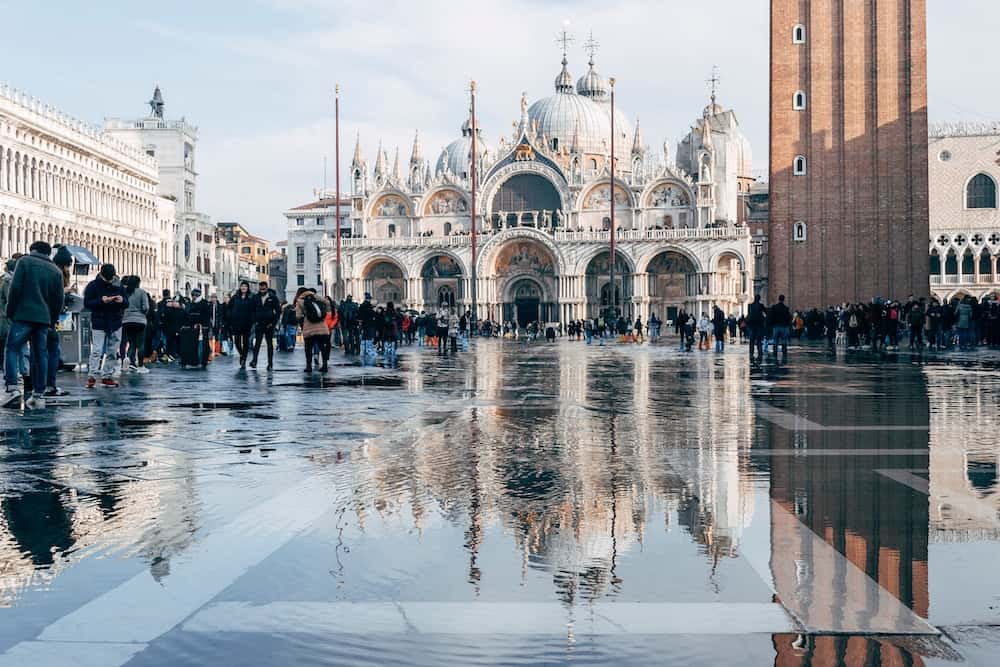
Piazza San Marco is the heart of Venice, and no first visit would be complete without seeing it. Surrounded by beautiful historic buildings, elaborate architecture, and some of the city’s most important monuments, it’s impressive even if you’ve seen it a dozen times.
In winter, I’d try to visit early in the morning, especially on a clear day when the square is quieter and the light is beautiful. If you’re lucky enough to catch a misty morning, the atmosphere can be incredible.
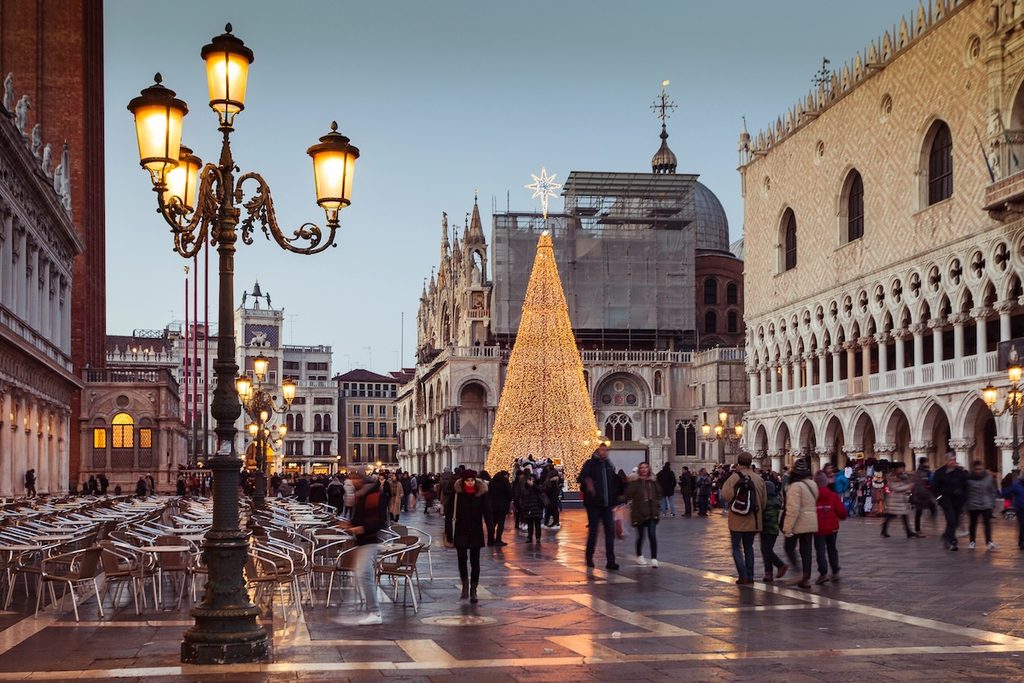
In December, look out for the Christmas decorations and the main Christmas tree. In January and February, Carnival preparations and costumed participants can completely transform the atmosphere.
What to see around St. Mark’s Square
- St. Mark’s Campanile: Fantastic views over Venice and the lagoon. Prioritize a clear winter day.
- Torre dell’Orologio: Venice’s Renaissance clock tower with an elaborate astronomical clock.
- Procuratie buildings: Elegant arcades, historic cafés, and extraordinary architecture.
- Piazzetta San Marco: The beautiful smaller square opening toward the lagoon.
- Bridge of Sighs: One of Venice’s most photographed bridges, best admired from the waterfront before visiting the palace.
If you want to visit the Campanile, keep an eye on the weather. On a foggy day, you may see very little from the top. Personally, I’d rather spend that time exploring the canals and return when the skies clear.
One more thing: Piazza San Marco is one of the first places affected by acqua alta. If high water is forecast, check the official tide information rather than assuming the entire square will be accessible as usual.

2. Visit the spectacular St. Mark’s Basilica
If there’s one church in Venice that deserves your attention, it’s St. Mark’s Basilica. With its golden mosaics, enormous domes, richly decorated marble, and extraordinary mix of Byzantine and Venetian architecture, it’s unlike almost any other church you’ll find in Italy.
And winter is a great time to explore it. For one thing, you’re indoors. For another, the crowds can be more manageable than during the height of summer, although I still wouldn’t count on walking straight in without a reservation.
For a deeper understanding of the Basilica and its history, I’d book the Legendary Venice guided tour combining St. Mark’s Basilica and Doge’s Palace. They’re two of the city’s most important landmarks, and visiting them together helps explain how Venice became such an extraordinary maritime power.
Visiting St. Mark’s Basilica in winter
- Book ahead: Popular entry slots can fill up, even in winter, particularly around Christmas and Carnival.
- Allow at least 45–60 minutes: Longer with the museum, terrace and additional areas.
- Check inclusions: Pala d’Oro, museum, terrace and Loggia dei Cavalli may require upgraded tickets.
- Dress appropriately: The Basilica is a functioning cathedral.
- Check holiday hours: Religious services affect access, particularly at Christmas.
- Watch for high water: Acqua alta can affect the square and access.
Inside, take your time admiring the extraordinary golden mosaics and marble floors. If you’re interested in Venice’s history, the museum and terrace are well worth considering too, particularly for the views over Piazza San Marco.
For more detailed ticket advice, see my St. Mark’s Basilica visitor guide.
Book St. Mark’s Basilica and Doge’s Palace
Legendary Venice: St. Mark’s Basilica and Doge’s Palace Guided Tour
My preferred choice for the two major landmarks, with thousands of traveler reviews.Venice in a Day with Basilica, Doge’s Palace and Gondola
Best if you’re short on time and want the headline experiences handled together.

3. Explore Doge’s Palace and cross the Bridge of Sighs
Doge’s Palace, or Palazzo Ducale, is one of the most impressive buildings in Venice. Its beautiful Gothic façade is instantly recognizable, but the interior is where things get really interesting.
For centuries, this was the political heart of the Venetian Republic, home to the Doge and the institutions that governed one of Europe’s most powerful maritime states.
I think a guided visit is worthwhile here. Venice’s political history is fascinating, but it’s not necessarily obvious from wandering through a succession of magnificent rooms. This small-group Basilica and Doge’s Palace tour provides that historical context.

Practical tips for visiting Doge’s Palace
- Allow approximately two hours: More if you love history.
- Book timed entry: Especially around holidays and Carnival.
- Consider a guide: The Venetian Republic’s history makes much more sense with an explanation.
- Check special access: Secret Itineraries cover areas beyond standard admission.
- Visit on a rainy day: One of central Venice’s best indoor experiences.
- Check holiday arrangements: Opening hours can change.
Inside, you’ll discover enormous ceremonial halls, elaborate paintings, gilded ceilings, historic chambers, and the rather less glamorous prisons. You can also cross the famous Bridge of Sighs from the inside, following the route once taken by prisoners.
It’s a particularly good Venice winter activity because so much of the visit is indoors. If the weather is freezing, rainy, or foggy, this is where I’d happily spend a couple of hours.
For a complete breakdown of tickets, tours and what not to miss, see my Doge’s Palace visitor guide.

4. Experience the magic of Venice Carnival
If you’ve ever seen photographs of people wearing elaborate masks and incredible historical costumes in front of St. Mark’s Basilica, chances are they were taken during the Venice Carnival.
And if there’s one winter event Venice is internationally famous for, this is it.
The Carnival transforms Venice into a giant open-air theatre, with masked participants, performances, parades, parties, and spectacular costumes inspired by the city’s history.

READ NEXT:
Plan your visit around Carnival dates, events, costumes, tickets and the best things to see
Some costumes are absolutely extraordinary. We’re talking enormous dresses, elaborate headdresses, detailed masks, and outfits that look as though someone has walked straight out of an 18th-century painting.
Venice Carnival 2027 takes place from January 23 to February 9. The official programme provides the details of individual performances, processions, competitions, and special events.
One thing worth understanding is that you don’t need an expensive ticket to experience Carnival. Simply walking around the city and admiring the costumes can be fantastic. Many public events are free, although private masquerade balls, dinner shows, and certain performances require reservations.
Venice Carnival 2027: what to know
- Dates: January 23 – February 9, 2027.
- Main areas: Piazza San Marco and public spaces throughout Venice.
- Cost: Many public activities are free; balls and workshops are paid.
- Accommodation: Book early. Carnival is an expensive winter period.
- Crowds: Expect busy weekends and central streets.
- Official programme: Consult Venice Carnival for the latest schedule.
And if you’re hoping to photograph the costumes, I’d head out early. Piazza San Marco can become incredibly crowded later in the day, particularly during the main Carnival weekends.
Just remember that Carnival is the complete opposite of the quiet, peaceful Venice I’ve been recommending throughout this article. It’s spectacular, but it’s definitely not the time to visit if your main goal is escaping crowds.
Visiting Venice for Carnival? I’d organize accommodation first. Then book a traditional Venetian mask-making workshop if you want to participate. For the public celebrations, check the official Carnival calendar.

5. Make your own Venetian Carnival mask
One of the most interesting things you can do in Venice is learn how to decorate your own traditional Carnival mask. And unlike the actual Carnival celebrations, this is an experience you can enjoy outside the festival dates too.
Venetian masks have a fascinating history. They weren’t originally just decorative souvenirs for tourists. Masks played an important role in the city’s social life, allowing people to conceal their identity during celebrations and social gatherings.
Today, you’ll find mask shops all over Venice, but not all of them sell authentic handmade pieces. Some are filled with mass-produced souvenirs that have very little to do with traditional Venetian craftsmanship.
That’s why I like the idea of joining a proper workshop.
In the Venetian Carnival Mask-Making Class, you’ll learn about the tradition and decorate a mask using provided materials. It’s also one of the more established workshop options, with hundreds of traveler reviews.
For a more intimate alternative, there’s also this Venice Carnival Mask-Making Workshop. Compare group size, duration and what is actually included before choosing.
And the best part? You get to take home something you’ve actually made rather than another vaguely Venetian souvenir that was probably manufactured halfway across the world.
It’s also a brilliant activity for a cold or rainy winter afternoon. You can spend time indoors, learn something about the city, and do something a little more memorable than visiting yet another museum.
Book your Venetian mask workshop
Venetian Carnival Mask-Making Class
My first choice: approximately 4.65/5 across 592 reviews, and a historically converting product.Venice Carnival Mask-Making Workshop: Create Your Own Mask
A smaller-reviewed alternative rated 5/5 across 24 reviews at the time of checking.

6. Take a gondola ride through Venice’s quiet winter canals
Is a gondola ride touristy? Absolutely. Is it expensive? It certainly can be. But there’s a reason these beautiful black boats have become one of the most recognizable symbols of Venice.
And if you’re going to take a gondola ride, winter can be a particularly lovely time to do it.
On a clear winter day, the canals can be wonderfully atmospheric, with soft light reflecting off the old buildings and fewer boats competing for space than during the busiest summer periods.
I’d choose a route that includes some of the smaller canals rather than spending the entire ride on the busy Grand Canal. They’re quieter, more intimate, and often much more beautiful.
But there’s one obvious drawback: it can be freezing sitting still on the water. You’ll feel the cold much more than when you’re walking, particularly if there’s a breeze.
I’d bring a proper coat, scarf, and gloves, and choose a reasonably sunny day. If the weather is miserable, leave the gondola for another time.
Gondola rides in winter: what to know
- Private gondola: Best for couples and special occasions.
- Shared gondola: Usually cheaper per person, but you share with other visitors.
- Typical duration: Many standard rides last about 30 minutes.
- Weather: Heavy rain, wind, fog or unsafe conditions can affect trips.
- Daytime vs evening: Daytime is warmer; blue hour is atmospheric but chilly.
- Booking: Confirm the route, departure point, whether it is private and the cancellation policy.
For a first-time visit, one option is to combine the gondola with Venice’s other major attractions. This Venice in a Day tour includes St. Mark’s Basilica, Doge’s Palace, a guided walk, and a gondola ride. It’s an efficient way to cover the highlights if your visit is short.
For a private introduction with local context, compare this private Venice walking tour with a gondola ride. It has stronger traveler reviews than many cheap standalone gondola listings, but always check exactly what your chosen option includes.
If you’d prefer a romantic gondola without a walking tour, you can also arrange one directly with a licensed gondolier. Confirm the total boat price and likely route before setting off.
And if you’re visiting around Valentine’s Day, a gondola ride can be lovely. Just remember that February 2027 also overlaps with Carnival, so I’d book early and avoid assuming the city will be quiet.

7. Discover Rialto Bridge and cruise the Grand Canal
Rialto Bridge is one of Venice’s most famous landmarks, and although the surrounding streets can be incredibly touristy, the view over the Grand Canal never gets old.
I’d visit in the morning before the crowds build up, particularly if you want photographs without dozens of people standing in front of you.
While you’re here, explore the nearby Rialto Market, where Venetians have traded food and produce for centuries. The fish market is especially interesting if you’re curious about traditional Venetian cuisine and ingredients from the lagoon.
And don’t miss the Grand Canal itself.
One of my favorite affordable Venice experiences is simply taking vaporetto Line 1 along the Grand Canal. It passes beautiful palaces, historic churches, waterfront buildings, and some of the city’s most impressive architecture.
In winter, try to get a place with a good view, but don’t underestimate the wind and cold on exposed decks. If it’s freezing, enjoy the scenery from inside instead.
I also wouldn’t automatically book an expensive sightseeing cruise if you’re already planning to use the vaporetto. The regular public boats offer fantastic views, and you can combine the journey with actual transport around the city.
If you want to combine Rialto with more local flavor, this Venice food, wine and cicchetti tour includes the city’s small-bite food culture and a traditional traghetto crossing.

8. Discover Venice’s hidden gems and unusual attractions
One of the things I love most about Venice is how many completely unexpected places you can discover just a few streets away from the main attractions.
And winter is ideal for exploring them. The quieter streets make it easier to appreciate the little details, and you’ve got a much better excuse to duck into an interesting building when the weather turns miserable.
My favorite unusual places in Venice
- Libreria Acqua Alta: A wonderfully quirky bookstore with books, bathtubs, a gondola, and some very photogenic cats.
- Scala Contarini del Bovolo: A beautiful hidden spiral staircase with views over the rooftops.
- San Zaccaria’s crypt: An atmospheric underground crypt that can contain water.
- Campo Santa Maria Formosa: A beautiful square with historic buildings.
- Quiet canals around Castello: A more residential side of Venice away from the major landmarks.
Libreria Acqua Alta is probably my favorite of these. It’s one of the quirkiest bookstores I’ve ever visited, with books stacked everywhere, a gondola full of books, and all sorts of unusual containers designed to protect the collection when water levels rise.
You’ve probably seen photographs of the famous staircase made from old books. But personally, my favorite part is the cats.
Yes, there are actual bookstore cats. And yes, I’ll happily spend far too long admiring them instead of doing whatever sightseeing I originally planned.
Another fascinating stop is San Zaccaria, particularly the crypt. It’s one of those slightly eerie places that feels perfectly suited to a grey Venetian winter day.
And if the weather is clear, consider climbing Scala Contarini del Bovolo. The spiral staircase is beautiful in its own right, but the rooftop views are the real reward.
These smaller attractions are easy to combine with a walk through Castello, and they offer a nice contrast to the grand churches and palaces around St. Mark’s Square.
9. Escape the cold in Venice’s museums and art galleries
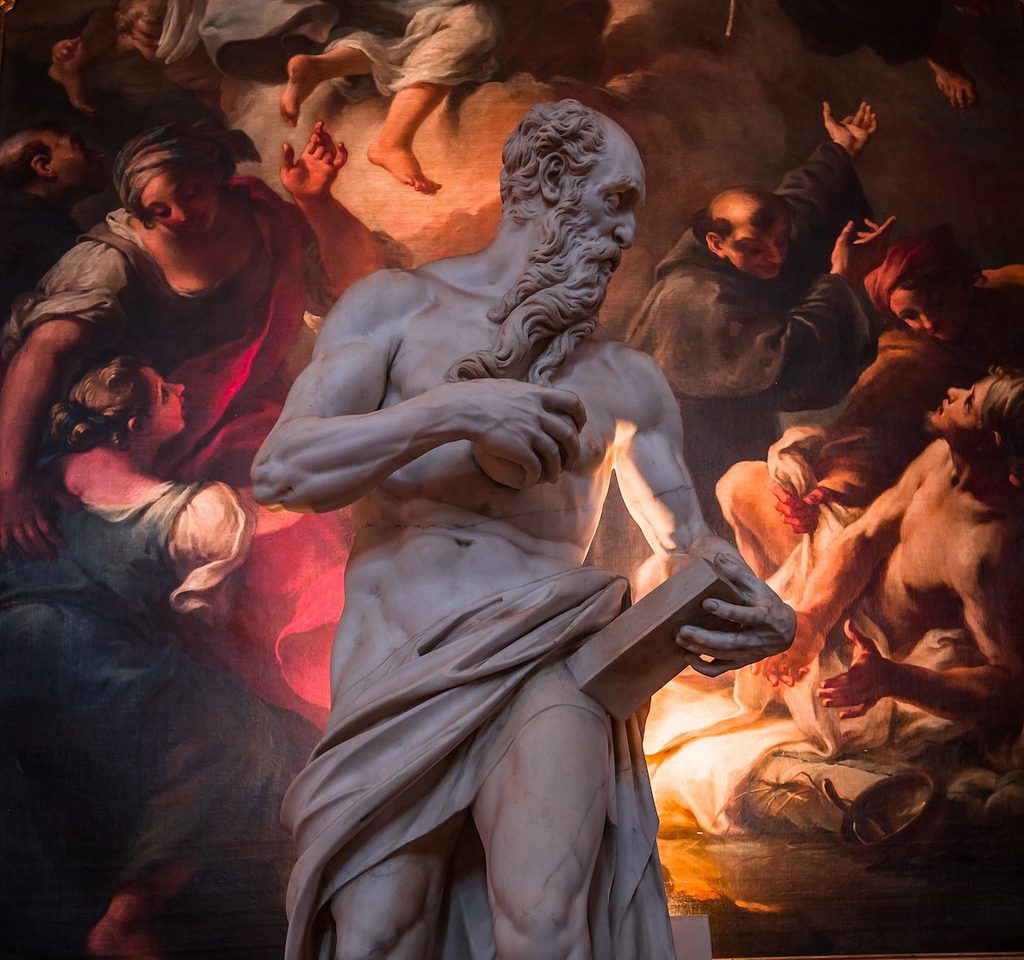
Venice has some incredible museums and galleries, and winter is probably the best time to explore them without feeling guilty about spending half the day indoors.
From Renaissance masterpieces to modern art and extravagant Venetian palaces, there’s far more to see than most visitors manage to squeeze into one trip.
I’d choose one or two museums based on your interests rather than trying to visit everything. There is only so much art and history you can absorb in a day before all the paintings start looking vaguely familiar.
| Museum or gallery | Best for |
| Gallerie dell’Accademia | Venetian painting by Bellini, Titian, Tintoretto, Veronese and others. |
| Peggy Guggenheim Collection | Modern art in a beautiful Grand Canal palace. |
| Museo Correr | Venetian history, art and political heritage on Piazza San Marco. |
| Ca’ Rezzonico | Life, art and beautiful interiors of eighteenth-century Venice. |
| Palazzo Mocenigo | Historic Venetian fashion, textiles, perfume and noble life. |
| Ca’ Pesaro | Modern art displayed in a historic Grand Canal palace. |
| Palazzo Grassi | Contemporary art exhibitions; confirm the seasonal programme. |
| Scuola Grande di San Rocco | Extraordinary interiors decorated by Tintoretto. |
My picks: Gallerie dell’Accademia for traditional Venetian art, Peggy Guggenheim for modern art, and Ca’ Rezzonico if you want to experience the extravagance of historic Venetian interiors.
Personally, I’d also consider Scuola Grande di San Rocco. The building itself is incredibly beautiful, and the paintings are spectacular.
Check opening hours before visiting, particularly around Christmas and New Year. Some museums close on Mondays, and temporary exhibitions may follow different schedules.
And don’t feel you need to book an expensive guided tour for every single museum. Sometimes it’s perfectly enjoyable to explore independently at your own pace.

10. Visit Teatro La Fenice or enjoy a classical concert
If you’re looking for an elegant indoor experience in Venice, Teatro La Fenice is an excellent choice.
It’s one of Italy’s most famous opera houses, with an incredibly beautiful auditorium full of gilded decoration, red velvet, elaborate balconies, and chandeliers.
The name La Fenice means the phoenix, which is rather appropriate considering the theatre has been rebuilt after several devastating fires.
If you love opera, ballet, or classical music, I’d check the performance calendar for your travel dates. Winter evenings are perfect for cultural events, especially when it gets dark so early.
But you don’t have to attend an entire opera to appreciate the building. You can also visit the theatre during its scheduled visitor opening times, although access depends on rehearsals and performances.
For current performances and visitor information, check the official Teatro La Fenice website.
I’d particularly consider a performance if you’re visiting Venice over Christmas, New Year, or Valentine’s Day. It’s something a little different from the usual sightseeing itinerary, and you won’t have to spend another evening wandering around in the cold.
11. Eat your way through Venice and warm up with local wine
If there’s one thing Italians know how to do exceptionally well, it’s food. And while most visitors probably think about pizza and pasta when planning a trip to Italy, Venetian cuisine has its own fantastic traditions.
One of my favorite things about visiting Italy is how different the food can be from one region to another. Venice is no exception, with seafood from the lagoon, comforting regional dishes, and a wonderful culture of small bars serving wine and snacks.
And honestly, what better way to spend a cold winter afternoon than going from one warm bacaro to another, tasting delicious things and enjoying a glass of wine?
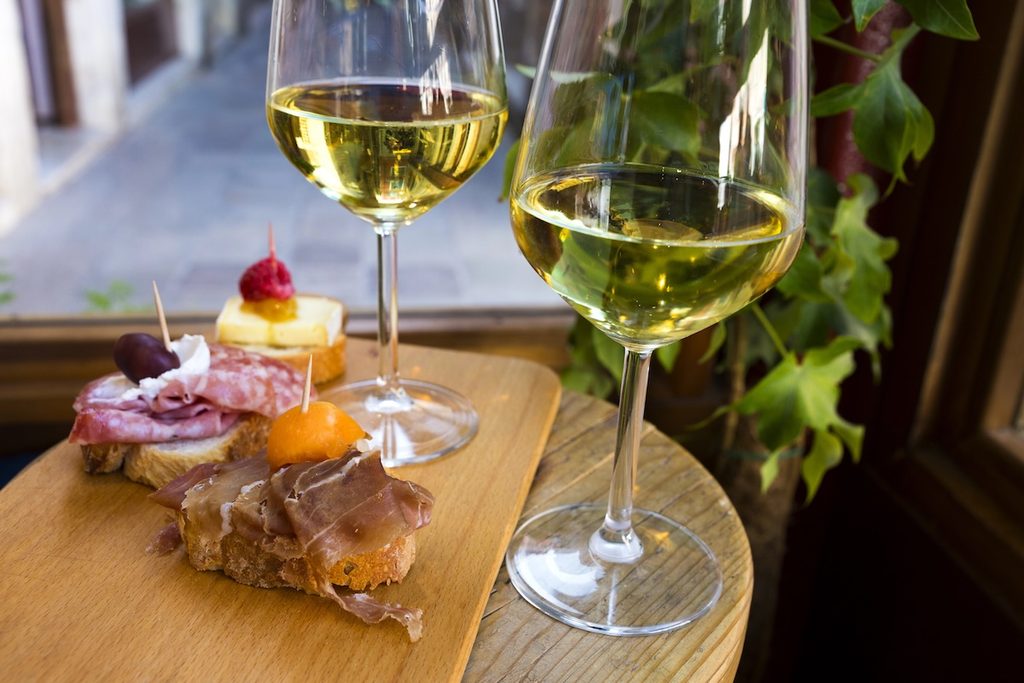
Bacari are traditional Venetian wine bars, usually serving cicchetti, small snacks that you can enjoy with a drink. Think crostini, seafood, meatballs, baccalà, and all sorts of other delicious little bites.
Order an ombra de vin, a small glass of wine, and a selection of cicchetti. It’s one of my favorite ways to experience Venice without spending a fortune on a formal restaurant meal. You can also book this Venice Like a Local food, wine and spritz tour if you’d prefer someone to introduce you to the bacaro scene.
What to eat and drink in Venice in winter
- Cicchetti: Traditional Venetian small bites with wine.
- Baccalà mantecato: Creamy whipped salt cod served on crostini or polenta.
- Sarde in saor: Sweet-and-sour sardines with onions, raisins, and pine nuts.
- Fegato alla veneziana: Venetian-style liver with onions.
- Risotto al nero di seppia: Rich black squid-ink risotto.
- Frittelle veneziane: Traditional Carnival fried sweets, often filled with cream or raisins.
- Galani: Thin, crispy Carnival pastries with powdered sugar.
- Vin brulé: Italian mulled wine for festive winter evenings.
- Ombra de vin: A small glass of wine in a traditional bacaro.
For a more structured experience, consider a Venetian food and wine tour. It’s a great way to discover traditional bacari, learn what you’re eating, and avoid overpriced tourist restaurants.
Alternatively, a pasta and tiramisu cooking class is a fun indoor option for a rainy day, especially if you enjoy cooking and want to learn something you can recreate at home.
And since we’re talking about winter drinks, let’s clear up one thing: bombardino is delicious, but it’s much more associated with Alpine ski resorts than Venice. I have very fond memories of spending winters skiing and snowboarding in the Dolomites, where a warm bombardino makes perfect sense after a day on the slopes.
In Venice, I’d stick to vin brulé during the Christmas season, a good local wine, or a proper Venetian aperitivo. Save the bombardino for a snowy mountain terrace.
My food tip: Head to Cannaregio, particularly around Fondamenta della Misericordia, for a relaxed bacaro experience. Or book a Venice food and wine tour with more than 2,200 traveler reviews, or the Venice pasta and tiramisu cooking class for a cozy afternoon indoors.
12. Enjoy Venice’s Christmas lights and festive atmosphere
If you’re visiting Venice in December, the festive atmosphere is one of the biggest reasons to come.
Imagine Venice’s beautiful canals and historic buildings illuminated with Christmas decorations, little shops dressed for the holidays, and the smell of seasonal sweets drifting through the streets.
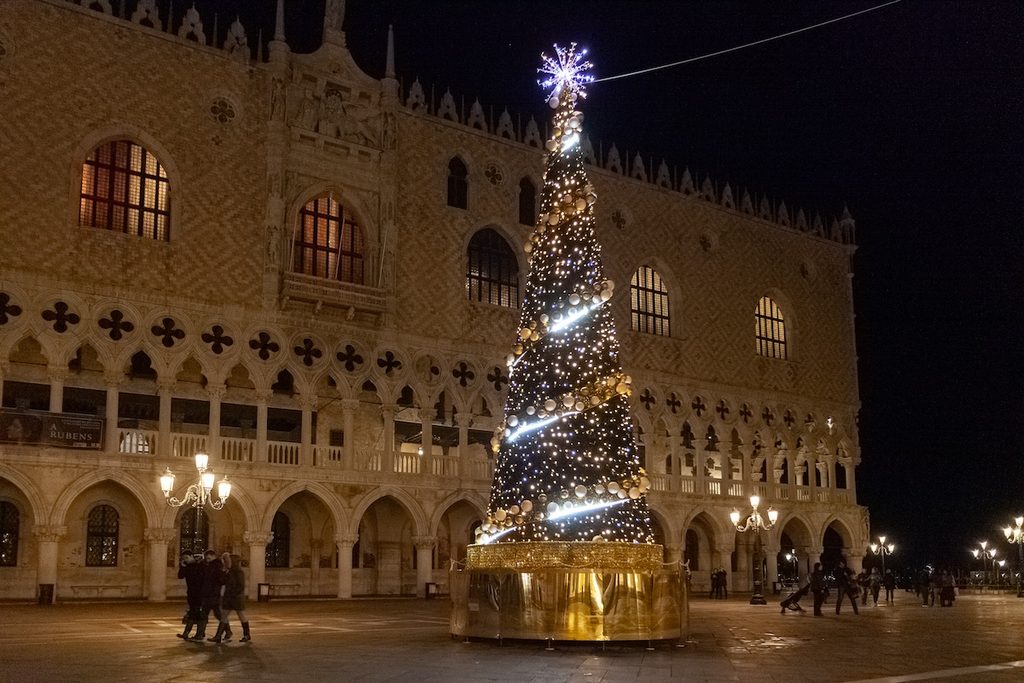
The area around Piazza San Marco is particularly beautiful, with its Christmas tree and decorated streets. I’d plan an evening walk through the historic center, stopping for a glass of vin brulé or a good dinner along the way.
Venice doesn’t have the same kind of enormous Christmas-market culture as some Northern European cities, but there are seasonal stalls, festive displays, and special events to look out for.
Depending on the year’s programme, you may also find temporary ice-skating rinks and festive activities around the city. Campo San Polo has hosted winter ice skating in previous seasons, but I’d check the official 2026/27 arrangements rather than assuming it will operate on the same dates every year.
For Christmas markets, I’d also avoid planning the entire trip around one specific location before its dates have been confirmed. Seasonal programmes can change, and some markets are smaller or operate for shorter periods than visitors expect.
The best part of Christmas in Venice isn’t necessarily a particular market anyway. It’s the atmosphere of the city itself, especially after dark.
I’d combine your festive walk with a visit to St. Mark’s Square, Rialto Bridge, and the quieter canals around San Polo or Dorsoduro.
Just remember that Christmas weekends and New Year can be busy. If you’re visiting during this period, I’d book your hotel early and reserve any major attractions you don’t want to miss.

13. Visit Murano and Burano in winter
If you have more than two days in Venice, I’d strongly consider exploring the islands of Murano and Burano.
Murano is famous for its glassmaking tradition, while Burano is known for its beautifully colorful houses and lace-making heritage.
And although they’re popular tourist destinations, winter can be a lovely time to visit. Without the peak summer crowds, it’s easier to enjoy the small streets, canals, and local atmosphere.
Murano is especially interesting on a cold winter day because you can visit a glass workshop and watch skilled artisans transform molten glass into beautiful objects.
Watching glassblowing is fascinating, but the island has more to offer than souvenir shops. Take some time to wander through the streets, admire the canals, and look out for authentic workshops.
Burano, meanwhile, is one of the most colorful places in Italy. Its brightly painted houses look beautiful even under grey winter skies.
But I’d pay particular attention to transport and daylight hours. Winter days are short, some businesses operate reduced schedules, and boat journeys can feel very cold when the wind picks up.
For a convenient introduction, I’d consider this Murano and Burano half-day small-group tour by boat. It has a strong traveler review history and avoids having to coordinate several public transport connections yourself.
Alternatively, you can visit independently using the ACTV vaporetto network. This gives you more flexibility to spend time on whichever island you prefer.
Book your Murano and Burano excursion
Murano and Burano Half-Day Small-Group Boat Tour
My preferred shorter excursion, rated around 4.8/5 from 1,600+ reviews.Murano and Burano Guided Small-Group Tour by Private Boat
Another established option with more than 9,600 reviews.

14. Wander Venice’s quieter neighborhoods
Some of my favorite moments in Venice have absolutely nothing to do with famous landmarks. They’re the little canals, beautiful bridges, quiet squares, and random streets that lead somewhere completely unexpected.
And if you’re visiting Venice in winter, I’d make a real effort to explore beyond San Marco and Rialto.
The city changes dramatically once you move away from the main tourist routes. Suddenly there are fewer souvenir shops, more neighborhood bars, and actual Venetians going about their day.
The best Venice neighborhoods to explore in winter
- Cannaregio: Bacari, Jewish Ghetto, atmospheric canals, and local evening scene.
- Dorsoduro: Beautiful canals, art galleries, waterfront walks along Zattere.
- Castello: Historic streets, residential areas, quiet squares and small churches.
- San Polo: Rialto Market, local restaurants and a central location.
- Santa Croce: Quieter streets with easier access to Piazzale Roma and Santa Lucia.
Cannaregio is one of my favorite areas for an evening out. I love finishing a day of sightseeing with cicchetti and wine along Fondamenta della Misericordia, away from the most touristy restaurants.
Dorsoduro is another beautiful choice, particularly on a sunny winter afternoon. You can walk along the waterfront, admire the views, browse art galleries, and stop somewhere for a drink.
And don’t worry too much about following a precise route. Getting lost is practically part of the Venice experience. Just make sure your phone has enough battery to help you find your hotel again.

15. Experience Venice after dark
One of the things I particularly love about Venice in winter is how beautiful it looks after dark.
With the sun setting around late afternoon in December, you don’t have to wait until particularly late to enjoy the city illuminated at night.
The reflections on the canals, softly lit bridges, quiet squares, and beautiful old buildings create a wonderfully romantic atmosphere.
I’d recommend spending at least one evening wandering around Venice without a strict plan. Start around Rialto or San Marco, then gradually move into the quieter streets of San Polo, Castello, or Dorsoduro.
Stop for cicchetti and wine, enjoy the views from a bridge, and appreciate the fact that you’re in one of the most extraordinary cities in the world.
Just dress warmly. Venice can feel much colder after sunset, especially beside the water.
And if you’re into photography, bring your camera. Winter evenings can provide beautiful reflections and atmospheric scenes, particularly on calm days.
Venice winter events 2026/27: Christmas, New Year and Carnival
Winter in Venice brings everything from Christmas decorations and traditional celebrations to the world-famous Venice Carnival. December is lovely for festive atmosphere, while late January and early February are when Venice really puts on a show.
These are the main dates and events worth knowing about for winter 2026/27:
- Late November – December 2026: Christmas lights, decorations and seasonal festivities around Venice. Piazza San Marco is particularly beautiful after dark. Christmas markets and temporary ice-skating rinks may also be part of the programme, but check the confirmed dates before planning around them.
- December 8: Immaculate Conception, an Italian national holiday. Expect festive crowds and possible changes to opening hours.
- December 24–26: Christmas celebrations, church services and festive meals. December 25 and 26 are public holidays, so some attractions and businesses will be closed.
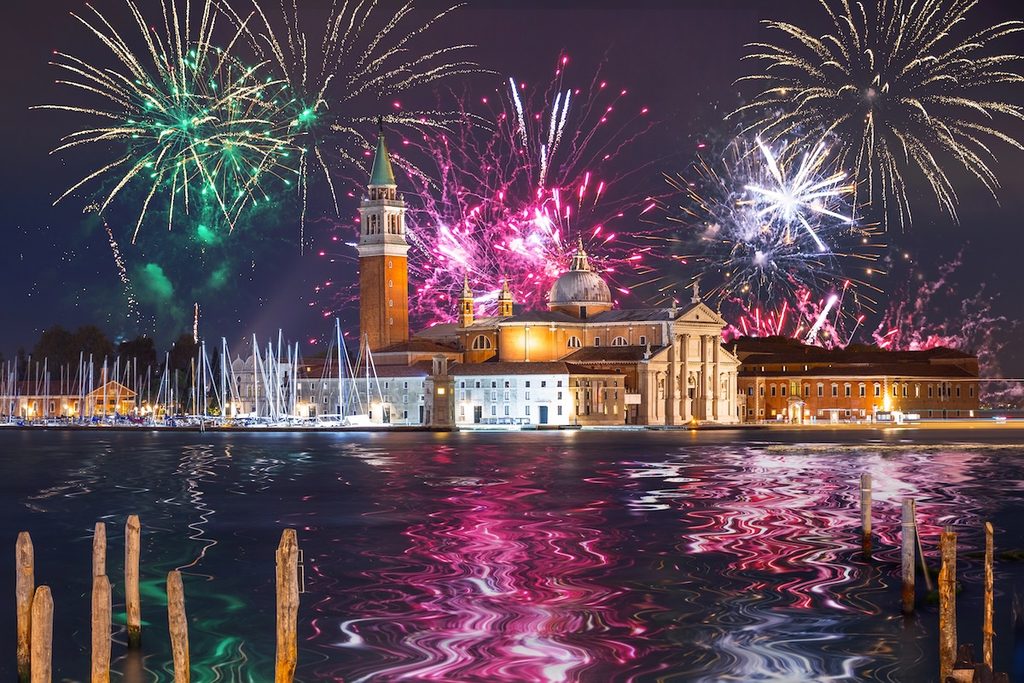
- December 31: New Year’s Eve celebrations and special restaurant dinners. Check the official programme for public events, fireworks arrangements and late-night transport.
- January 6, 2027: Epiphany and Befana celebrations. Venice has traditionally hosted the Regata delle Befane on the Grand Canal, but confirm the 2027 event schedule before making plans.
- January 23 – February 9, 2027: Venice Carnival, with elaborate costumes, masks, performances and celebrations throughout the city. Check the official Venice Carnival programme for individual events.
- February 14, 2027: Valentine’s Day. A popular occasion for romantic city breaks, gondola rides and special dinners.
Carnival is the big one. If you’re visiting specifically for the costumes and celebrations, it’s a fantastic experience. But if you’re hoping for empty canals and peaceful sightseeing, I’d choose different dates. The main Carnival weekends can be incredibly crowded, and accommodation prices tend to reflect that.
For Christmas events and other seasonal announcements, check the City of Venice website. Smaller markets, ice-skating rinks and New Year’s celebrations aren’t always announced far in advance.
Planning a Christmas or Carnival trip to Venice? I’d book your accommodation early, especially for the main Carnival weekends and New Year’s Eve. If you want to make your own traditional mask, this Venetian Carnival mask-making class is a lovely addition. The public celebrations can be enjoyed spontaneously, but popular workshops and central hotels are worth arranging ahead.
Venice in December, January and February: which month is best?
Each winter month has its advantages, so I’d choose based on the kind of trip you want rather than assuming the whole season is the same.
- Venice in December: Best for Christmas decorations, festive lights, romantic evenings and seasonal food. I’d choose early December for Christmas atmosphere without spending your entire trip working around holiday closures.
- Venice in January: Best for quieter sightseeing, museums, local wine bars and potentially better hotel prices. The period after Epiphany is particularly appealing, but remember that Carnival begins January 23, 2027.
- Venice in February: Best for Carnival, traditional masks, cultural experiences and romantic city breaks. Carnival runs until February 9, 2027, so the beginning of the month will be much busier than a normal winter week.
My pick would be January after Epiphany and before Carnival if you want a quieter, more relaxed version of Venice. For Christmas atmosphere, choose December. And if you’ve always dreamed of seeing the elaborate Carnival costumes, that’s an excellent reason to visit in late January or early February. Just compare hotel prices for your exact dates before booking flights.
Venice winter weather, temperatures, snow and flooding
Venice in winter is usually cold, damp and occasionally foggy rather than snowy. On a crisp, sunny day, the canals look absolutely beautiful. But the humidity and wind can make it feel much colder than the thermometer suggests, especially when you’re standing beside the water or taking a boat across the lagoon.
| Venice in winter | What to expect |
| December | Typical highs around 8°C / 46°F, cold evenings, short days, occasional fog and rain. |
| January | Usually the coldest month, with typical highs around 7°C / 45°F and nighttime temperatures close to freezing. |
| February | Typical highs around 9–10°C / 48–50°F, with gradually longer days and occasional milder afternoons. |
| Snow | Possible but uncommon. Don’t plan your visit expecting snow-covered canals. |
| Acqua alta | High tides can temporarily flood low-lying areas, particularly around St. Mark’s Square. Check official tide forecasts before visiting. |
| Daylight | Around nine hours in late December, with sunset around 4:30 PM. Plan outdoor sightseeing earlier in the day. |
| Best rainy-day activities | Doge’s Palace, art galleries, museums, bacari or an indoor Venetian mask-making workshop. |
The main Venice-specific thing to understand is acqua alta, or high water. Certain weather conditions and unusually high tides can cause temporary flooding in parts of the city. That doesn’t mean Venice is underwater all winter, and the MOSE flood-barrier system helps protect the lagoon from particularly high tides.
If high water is forecast, check the official tide information, follow local instructions and allow extra time to get around. Waterproof shoes are a good idea anyway, and I’d keep a few indoor activities in mind in case the weather decides not to cooperate.
As for snow, you might get lucky, but it’s rare enough that I wouldn’t count on it. For a proper snowy Italian winter, you’re much better off heading towards the Dolomites.
My winter weather tip: Don’t fill every minute of your itinerary with advance reservations. Book the major attractions, particularly St. Mark’s Basilica and Doge’s Palace, but keep some flexibility for the weather. If you wake up to beautiful clear skies, that’s when I’d prioritize a gondola ride or outdoor viewpoints. Save museums and workshops for the colder, wetter days.

What’s open in Venice during Christmas and New Year’s?
If you’re visiting Venice between Christmas and New Year, don’t assume everything will operate on its usual schedule. The city remains accessible, but museums, restaurants, shops, attractions and public transport may have special holiday hours.
The main dates to watch out for are:
- December 8: Immaculate Conception, a national holiday. Expect festive crowds and possible changes to opening hours.
- December 24: Christmas Eve. Some attractions and shops close early, while restaurants may offer special menus.
- December 25: Christmas Day. Many museums and shops are closed. Churches hold services, and some restaurants open with advance reservations.
- December 26: Santo Stefano, another national holiday. Some attractions reopen with modified schedules.
- December 31 – January 1: New Year’s celebrations and New Year’s Day. Expect special evening arrangements, attraction closures and possible transport changes.
- January 6: Epiphany, a national holiday with traditional Befana celebrations.
St. Mark’s Basilica is a functioning church, so religious services can affect tourist visits, particularly on Christmas Eve and Christmas Day. Doge’s Palace follows its own museum calendar. I’d check the Basilica website and official Doge’s Palace opening hours before planning your visit.
I’d also book Christmas Eve dinner, Christmas Day lunch and New Year’s Eve dinner in advance. Some restaurants offer fixed holiday menus, and finding somewhere good that’s actually open can be more difficult than you’d expect.
If you’re in Venice on Christmas Day, I’d plan a relaxed day exploring the canals, admiring the festive decorations, enjoying a special meal and visiting a church service if that’s something you’re interested in. Save the major timed-ticket attractions for the surrounding days.
My holiday booking tip: Arrange your must-see attractions before filling the rest of your itinerary. This St. Mark’s Basilica and Doge’s Palace guided tour is a convenient option on an operating day. And if you’re staying over Christmas or New Year, I’d book your accommodation and important restaurant reservations early too.
How many days do you need in Venice in winter?
I’d recommend two or three days in Venice in winter. Two days gives you enough time for the main landmarks, a gondola ride, some beautiful neighborhoods and plenty of cicchetti without rushing through everything. Three days is even better if you want to visit Murano and Burano or explore at a slower pace.
| Time in Venice | Best winter plan |
| 1 day | Visit St. Mark’s Basilica and Doge’s Palace, explore Piazza San Marco and Rialto Bridge, and take a gondola ride if time allows. |
| 2 days | Day 1: St. Mark’s Basilica, Doge’s Palace, Bridge of Sighs and gondola ride. Day 2: Rialto, Dorsoduro, Cannaregio, cicchetti and an art gallery or museum. |
| 3 days | Follow the two-day route, then add a Murano and Burano boat tour, a museum or a Venetian mask-making workshop. |
| 4+ days | Explore more of the lagoon, visit additional museums, enjoy seasonal events and leave some flexibility for winter weather. |
For most travelers, three days is the sweet spot. You have enough time to enjoy Venice beyond its famous landmarks, and you won’t need to race around if the weather turns miserable. For a complete day-by-day route, see my Venice itinerary.


Getting to and around Venice in winter
You don’t need a car in Venice. In fact, you can’t drive around the historic center at all. Most sightseeing is done on foot, with vaporetti (public water buses) connecting the main areas of the city and the lagoon islands.
For a short winter visit, I’d stay somewhere convenient and walk as much as possible. The city is beautiful to explore on foot, and it also saves money on water-bus tickets. Just remember that walking in Venice involves a ridiculous number of bridges, which is considerably less fun when you’re dragging a suitcase in the rain.
| Transport option | Best for / what to know |
| Walking | The historic center, including San Marco, Rialto, Dorsoduro, Cannaregio and Castello. My preferred way to explore Venice. |
| Vaporetto | The Grand Canal, longer journeys and island connections. Published ACTV fares include €9.50 for a 75-minute ticket, €25 for a 1-day pass, €35 for 2 days and €45 for 3 days. Check Venezia Unica for current prices. |
| Arriving by train | Book to Venezia Santa Lucia for the historic center. Venezia Mestre is on the mainland and requires another journey. |
| Marco Polo Airport | Airport buses connect with Piazzale Roma, while water buses and private water taxis offer other options depending on your hotel location. |
| Treviso Airport | Airport coaches connect with Venice. Allow more time, particularly for early or late flights. |
| Murano and Burano | Use ACTV water buses or book a small-group boat tour if you’d rather have the connections organized for you. |
| Christmas and acqua alta | Transport generally continues operating, but holiday timetables, fog, strong winds and high water can affect particular services. Check official ACTV notices. |
I wouldn’t automatically buy a multi-day vaporetto pass. If you’re staying centrally and mostly walking, individual tickets may be enough. But if you’re planning several boat journeys or visiting the islands, compare the total cost before deciding.
My transport tip: Choose your hotel location carefully, especially in winter. I’d rather pay a little more for somewhere walkable than spend every morning and evening waiting for water buses in the cold. See my where to stay in Venice guide or compare Venice hotels before booking.
How much does Venice cost in winter?
Venice isn’t exactly a budget destination, but winter can offer better value if you’re flexible with your dates. January after the holidays is often a good time to find lower hotel prices, while Christmas, New Year and Carnival can be considerably more expensive.
| Expense | Approximate winter budget |
| Budget accommodation | €80–150 per room/night for simple guesthouses and hotels on quieter dates. Compare hotel prices. |
| Mid-range hotels | Approximately €150–280 per room/night, depending on location, quality and dates. |
| Luxury hotels | From around €300 per room/night, with historic palace hotels and canal views often costing much more. |
| Cicchetti and wine | Approximately €12–25 per person for a casual bacaro meal with several small bites and drinks. Or try a guided cicchetti and wine tour. |
| Restaurant dinner | Approximately €25–60+ per person, depending on the restaurant, drinks and number of courses. |
| Attractions and experiences | Budget separately for guided landmark tours, gondola rides, workshops and island excursions. |
These are planning ranges, not live prices, and hotel rates can change dramatically during major events. My preferred way to save money is to spend on a couple of experiences that are genuinely special and keep the rest simple. Venice has so many beautiful streets, canals and squares that you don’t need to pay for an activity every few hours.
And don’t confuse the overnight tourist tax with Venice’s day-visitor access fee. The published 2027 Venice Access Fee calendar starts in March, so it doesn’t apply during December 2026, January 2027 or February 2027. Overnight accommodation taxes may still apply. Check the official Venice Access Fee portal for current rules.

What to pack for Venice in winter
You’ll want proper winter clothing, but there’s no need to pack as though you’re heading into the Arctic. The most important things are warm layers and comfortable waterproof shoes. You’ll walk a lot, the streets can be damp, and the wind beside the canals can feel surprisingly cold.
- Warm winter coat and layers: For cold mornings, damp afternoons and evenings exploring the canals.
- Comfortable waterproof shoes: Probably the most important thing to pack. Expect bridges, cobblestones and occasionally wet streets.
- Scarf, gloves and hat: Particularly useful for gondola rides, water buses and windy lagoon crossings.
- Waterproof jacket or compact umbrella: For rainy days. A hooded jacket is often more practical when it’s windy.
- Something smart-casual: Handy for nicer restaurants, special dinners and an evening at Teatro La Fenice.
- Portable charger: You’ll probably use your phone for navigation and photos all day, and cold weather can drain the battery faster.
If acqua alta is forecast, check local guidance and use suitable waterproof footwear if you’ll be walking through affected areas. And if you’re visiting Carnival, remember that an elaborate costume might look fabulous in photographs, but winter temperatures still apply.
FAQ about visiting Venice in winter
Is Venice worth visiting in December?
Absolutely. December is lovely for Christmas decorations, festive atmosphere, romantic evenings and sightseeing without the summer heat. I’d choose early December for a festive city break without quite so many holiday closures.
Is January a good time to visit Venice?
Yes, particularly if you want quieter canals, museums, local restaurants and potentially better hotel prices. The period after January 6 can be especially appealing, but remember that Carnival begins January 23, 2027.
Is Venice worth visiting in February?
Yes, especially for Venice Carnival. In 2027, Carnival runs until February 9, bringing elaborate costumes, masks and celebrations. If you prefer a quieter trip, consider visiting after the festivities finish.
READ NEXT:
Plan your visit around Carnival dates, events, costumes, tickets and the best things to see
Is Venice crowded in winter?
Generally less than in summer, but not all winter dates are quiet. Christmas weekends, New Year and Carnival can be very busy. Mid-January, between Epiphany and the start of Carnival, is one of the better periods for peaceful sightseeing.
Is Venice cheaper in winter?
It can be, particularly for accommodation outside the major holiday periods. January often offers better value, but Christmas, New Year and Carnival can be expensive. I’d compare hotel prices across several dates before booking.
Does it snow in Venice in December?
Snow is possible but uncommon. Venice is much more likely to be cold, damp or foggy than covered in snow. For proper snowy Italian scenery, I’d head towards the Dolomites instead.
Does Venice flood every winter?
Acqua alta can occur during autumn and winter, but it doesn’t mean the entire city floods every year. The extent varies, and Venice has flood defences to help manage high tides. Check the official forecast during your visit.
Are gondola rides available in winter?
Yes, gondola rides generally operate year-round, weather permitting. Winter can be lovely for quieter canals, but sitting still on the water gets cold quickly. I’d choose a clear day, dress warmly and confirm the route and price before boarding.
Do you need to book Venice attractions in advance during winter?
I’d book major attractions such as St. Mark’s Basilica and Doge’s Palace in advance if your dates are fixed. I’d also reserve popular mask-making workshops, special Carnival events and central accommodation. Leave more flexibility for smaller attractions and spontaneous exploring.

Planning a winter trip to Venice and Northern Italy?
Venice is one of those places that gets under your skin. It took me several visits to truly appreciate it, but now I understand why people keep coming back.
I’d just avoid trying to squeeze everything into one trip. Book the major attractions, choose a few experiences that genuinely interest you, and leave time to wander around without much of a plan. Some of my favorite Venice memories come from those little canals, quiet squares and completely unexpected places you discover along the way.
If you’re continuing through Northern Italy, Venice also works beautifully with Verona, Bologna, Milan and the Dolomites. Have a look at my other Italy travel guides for more inspiration.
Read next: Plan your Venice & Italy trip
Venice travel guides:
Venice itinerary – 1, 2, 3 & 5 days
Venice Carnival Guide
Best things to do in Venice
Where to stay in Venice
Best canal-view hotels in Venice
Visiting St. Mark’s Basilica
Visiting Doge’s Palace
More Northern Italy itineraries:
Verona itinerary – 1, 2 & 3 days
Bologna itinerary – 1, 2 & 3 days
Milan itinerary – 2, 3, 4 & 5 days
Travel Insurance
Good travel insurance is an absolute must when traveling abroad, and I’ve learned that the hard way!
Now I always get insured before we leave and Travel Insurance Masters is my go-to platform to find the best insurance options for the specific trip.
The TIM platform works as a search engine and suggests the best insurance company and insurance plan for your criteria so you don’t end up paying more for things you don’t need! It also takes into account your age, nationality, destination etc. which can greatly impact the final price.
You can get your quote & provider recommendations here.
