This site uses affiliates. Thank you for buying through our links and supporting this blog.


New Zealand in Winter: Is It Worth Visiting? Where to Go & What to Do

New Zealand in winter is a bit misunderstood. It is not one big snowy wonderland but if you want fewer crowds, cheaper accommodation, dramatic mountain scenery, hot pools, skiing, whale watching, glowworms, and moody road trips, winter can be a brilliant time to visit.
I lived in New Zealand for about six years and spent several winters here, mostly around Queenstown, Christchurch, Rotorua, and road-tripping around the country. I think winter is fantastic for the right kind of trip, but I would not automatically call it the best season for a first trip, at least not for everyone.
The trick is planning New Zealand in winter properly. Choose the right bases, keep driving days realistic, book the big winter-friendly experiences in advance, and do not expect every town to look like a Christmas card. Even Queenstown, which is the country’s main winter resort town, rarely gets proper snow in town. The ski fields do, obviously. The lakefront pubs? Not so much.

In a hurry?
Book your NZ winter essentials!
These are the winter experiences I’d book first if you want the big New Zealand highlights without wasting half your trip checking road conditions, comparing tours, or trying to find last-minute rooms in Queenstown.
Rent a car for your winter road trip
Book winter accommodation
Milford Sound small-group tour from Queenstown
Te Pā Tū Māori cultural evening
Hobbiton Movie Set tour
Waitomo Glowworm Caves boat tour
Franz Josef Glacier heli-hike
Polynesian Spa hot pools in Rotorua
New Zealand in winter at a glance
If you are planning a winter trip to New Zealand, start with the big pieces first: your route, your rental car, your accommodation in ski towns, and any tours that are weather-dependent or likely to sell out.
| Step | What to do |
| 1. Choose your island or route | Pick one island for 10–14 days, or both islands if you have around 3 weeks. |
| 2. Book your transport | Compare New Zealand rental cars early, especially if you are travelling during ski season or school holidays. |
| 3. Lock in key accommodation | Book Queenstown accommodation, Wanaka accommodation, and any ski-town stays before prices climb. |
| 4. Book winter anchors | Prioritize Milford Sound, Waitomo Glowworm Caves, Hobbiton, and Rotorua Māori cultural evening. |
| 5. Add weather-dependent activities early | Book glacier heli-hikes, scenic flights, skydiving, and whale watching early in your stay so you have room to reschedule if needed. |
For most travellers, I would build the trip around a few strong bases instead of trying to see everything. Queenstown or Wanaka, Rotorua, Waitomo, Milford Sound, and one extra region usually make a much better winter itinerary than a frantic lap of the whole country.
| Winter months | June, July and August. Ski season often runs longer, especially into September, but official winter is June to August. |
| Best for | Skiing, hot pools, fewer crowds, cheaper accommodation, whale watching, glowworms, Milford Sound, Rotorua, Queenstown, and moody mountain road trips. |
| Not ideal for | First-timers who want warm weather, long hiking days, beaches, a rushed itinerary, or an easy campervan trip. |
| Does it snow? | Yes, but mostly in alpine areas, ski fields, mountain passes, parts of the Central Plateau, and the Southern Alps. Most towns and tourist attractions do not get much snow. |
| Best winter bases | Queenstown/Wanaka for skiing and adventure, Rotorua for geothermal landscapes and Māori culture, Kaikoura/Canterbury for whales, mountains and ski-field access, and Northland if you want milder weather. |
| Best way to travel | A rental car plus warm accommodation is usually more comfortable than a campervan in winter, unless you specifically want the winter van-life experience. |
Is New Zealand worth visiting in winter?
Yes, New Zealand is worth visiting in winter, but I would not blindly recommend it to everyone. It depends completely on what kind of trip you want.
If you want a quieter, cheaper, moodier New Zealand trip, winter can be incredible. Accommodation is usually cheaper outside the ski towns, rental cars can be more affordable, big-ticket sights are less crowded, and places like Rotorua, Waitomo, Milford Sound, Queenstown, Kaikoura and the glaciers still work really well in winter.
Rotorua’s geothermal areas look better when steam is rising into cold air. Hot pools feel better when it’s freezing outside. Milford Sound looks dramatic with snow-dusted peaks. Kaikoura has winter whale watching. Queenstown gets that ski-town buzz even when the town itself is not buried in snow. And the sunsets? Ridiculous. New Zealand does winter skies very, very well.
If I’m being brutally honest, New Zealand ski fields are a bit underwhelming. I was used to skiing in Italy, Austria and France, where the lifts are modern, the ski areas are huge, and everything feels very slick. New Zealand ski fields are smaller, rougher around the edges, and more weather-dependent. But if you want to ski or snowboard in July or August, they are obviously one of the best options in this part of the world.
If your dream New Zealand trip is hiking every day, swimming at beaches, camping, driving long scenic routes until 9pm, and squeezing as much as humanly possible into two weeks, winter is probably not your best season. The days are shorter, the weather is more unpredictable, some alpine hikes need proper winter gear, and campervanning can get cold fast.
So no, winter is not automatically the “best” time for a first New Zealand trip. But for the right traveller, it can be a fantastic time to go.

Best New Zealand winter itinerary ideas
Winter is not the season for cramming in a new town every night, especially on the South Island where short days, icy roads, and weather closures can mess with your plans. Instead of building a completely separate winter itinerary from scratch, use one of these routes as your starting point and slow it down where needed.
| Trip type | Best route | Best for |
| First winter trip | Auckland → Waitomo → Hobbiton → Rotorua → Fly to Queenstown → Milford Sound | The big highlights without trying to drive the whole country in winter. |
| South Island winter road trip | Christchurch → Lake Tekapo/Mount Cook → Wanaka → Queenstown → Milford Sound → Franz Josef | Mountains, glaciers, hot pools, scenic drives, and the classic South Island winter scenery. |
| Ski-focused trip | Queenstown → Wanaka → Cardrona/Treble Cone/Remarkables/Coronet Peak → optional Mount Hutt | Skiing, snowboarding, après-ski, hot pools, and a slower mountain-town trip. |
| North Island winter trip | Auckland → Bay of Islands/Northland → Waitomo → Hobbiton → Rotorua → Tongariro/Ruapehu | Milder weather, geothermal landscapes, glowworms, Māori culture, and easier winter driving. |
If this is your first time in New Zealand and you only have 10 to 14 days, I would not try to do it all in winter. Pick one island properly, or combine Auckland/Rotorua/Waitomo/Hobbiton with Queenstown and Milford Sound.
You can use my full North Island itinerary and South Island itinerary as your base, but in winter I’d cut the rushed days, avoid late-night alpine driving, and book a warm bed instead of trying to be a campervan hero.
Winter roadtrip tip: book your rental car early, keep driving days shorter, and use tours for places like Milford Sound if you do not want to deal with winter road conditions yourself.
Best places to visit in New Zealand in winter
The best places to visit in New Zealand in winter are not always the same places that look best on a sunny summer road trip. In winter, I’d focus on places that either lean into the season properly or still work well when the weather is cold, wet and dark.
For me, that means Queenstown and Wanaka for skiing and adventure, Rotorua for geothermal landscapes and Māori culture, Waitomo and Hobbiton because they work in almost any weather, Milford Sound because it looks dramatic year-round, Franz Josef for glacier experiences, Kaikoura and Canterbury for whales, mountains and ski-field access, Tongariro/Ruapehu for North Island snow, and Northland if you want a warmer escape.

Queenstown and Wanaka
Queenstown is the obvious New Zealand winter base. It has the ski-town atmosphere, easy access to Coronet Peak and The Remarkables, plenty of bars and restaurants, and loads of winter-friendly activities even if you do not ski.
Just do not expect Queenstown town centre to be buried in snow. It can happen, but most of the time the snow is up on the mountains, not piled up outside your hotel like some cute alpine fantasy. The town is still beautiful in winter though, especially when the surrounding peaks are white and the lake is doing its moody blue thing.
Wanaka is a little quieter and gives you easier access to Cardrona and Treble Cone. If you are more into skiing, snowboarding, slower mornings, lake views, and less of the full Queenstown party scene, Wanaka is a great winter base too.
Best winter experiences: skiing, snowboarding, Milford Sound tours, Shotover Jet, Onsen Hot Pools, wine tasting, LOTR tours, scenic flights, and après-ski in Queenstown.
Book Queenstown and Wanaka:
Onsen Hot Pools in Queenstown
Coronet Peak snow shuttle from Queenstown
Shotover Jet boat ride
Queenstown wine tour
Milford Sound flight and cruise from Wanaka
Mount Aspiring and glaciers helicopter tour from Wanaka

Rotorua, Waitomo and Hobbiton
Rotorua is one of my favourite places to visit in New Zealand in winter because the geothermal areas are so much better when the air is cold. The steam rising from the lakes, vents, mud pools and random cracks in the ground gives the whole place a properly otherworldly feel.
Winter is also a great time for a Māori cultural evening, hot pools, redwood forest walks, and adventure activities like canopy tours or rafting. Rotorua is not weather-proof, but it is more winter-proof than a lot of outdoor-heavy destinations in New Zealand.
Waitomo and Hobbiton are easy to combine with Rotorua and both work well in winter. Waitomo is mostly underground anyway, and Hobbiton still has that green, rolling Shire look even when the weather is not perfect. If you are doing a North Island winter itinerary, I would absolutely include all three.
Best winter experiences: Te Pā Tū Māori cultural evening, Polynesian Spa, Wai-O-Tapu, Waitomo Glowworm Caves, black water rafting, Hobbiton Movie Set, and Rotorua adventure activities.
Book your adventures in this area:
Te Pā Tū Māori cultural evening
Polynesian Spa hot pools
Waitomo Glowworm Caves boat tour
Waitomo black water rafting
Hobbiton Movie Set tour


Milford Sound and Fiordland
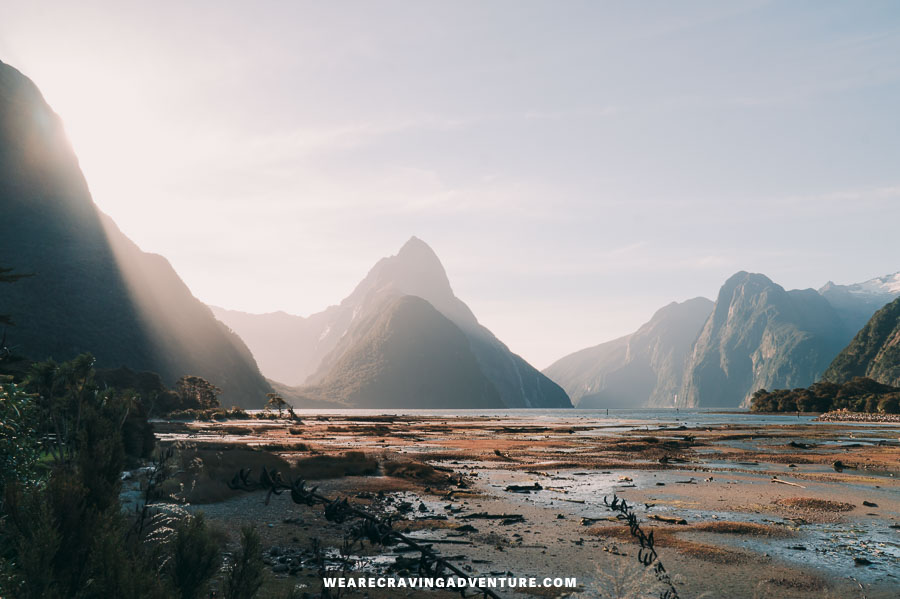
Milford Sound is one of the best places to visit in New Zealand in winter, mostly because it does not need perfect weather to be impressive. In fact, a bit of drama suits it. Snow on the surrounding peaks, low clouds, waterfalls, rain, mist, moody light — Milford can handle all of it.
The main winter issue is the road. The drive from Queenstown to Milford Sound is long at the best of times, and in winter you also need to think about ice, snow, road closures, chains, and shorter daylight hours. This is one of the few places where I would seriously consider booking a tour instead of driving yourself, especially if you are not comfortable with winter alpine roads.
If you do drive yourself, stay in Te Anau the night before. It makes the whole thing much less painful and gives you a better shot at enjoying the road instead of just surviving a very long day behind the wheel.
Best winter experiences: Milford Sound cruise, small-group tour from Queenstown, coach-cruise-flight combo, scenic flight, kayaking if conditions allow, and staying overnight in Te Anau.
Book Milford Sound:
Small-group Milford Sound tour from Queenstown
Coach, cruise and flight tour from Queenstown
Small boat Milford Sound cruise
Milford Sound cruise and kayak tour


Franz Josef, Fox Glacier and the West Coast
The West Coast is wild year-round, which is a polite way of saying the weather is often a bit feral no matter when you go. Winter does not exactly ruin the West Coast because the West Coast was never trying to be polished and predictable in the first place.
Franz Josef and Fox Glacier are still worth considering in winter, especially if you want to do a heli-hike or scenic helicopter flight. The catch is that flights are always weather-dependent, so this is not the kind of activity I’d leave for your only free afternoon before driving across the island. Give yourself some flexibility if it is high on your list.
This area is also good for hot pools, rainforest walks, Lake Matheson, off-road tours, and kiwi spotting around Okarito. It is not the easiest winter road trip stop, but it can be very rewarding if you have enough time.
Best winter experiences: Franz Josef heli-hike, glacier helicopter flight with snow landing, Lake Matheson, Okarito kiwi tours, off-road adventures, and hot pools.
Book the West Coast:
Franz Josef Glacier heli-hike
Helicopter flight with snow landing
Twin Glacier helicopter flight
Kayak, hike and Okarito Kiwi Sanctuary tour
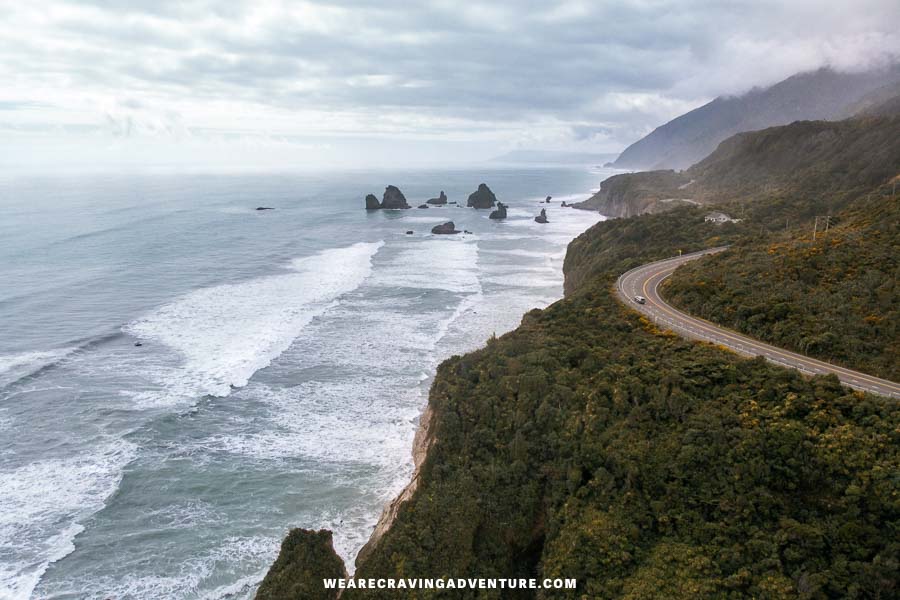

Kaikoura and Canterbury
Kaikoura is one of the most underrated winter stops in New Zealand. You can see sperm whales year-round, but winter is especially good because humpback whales migrate past Kaikoura around this time too. Add snow on the mountains behind the coast and the whole place looks ridiculous in the best way.
I would not necessarily make Christchurch itself a major winter destination unless it fits your route, but Canterbury as a region does make sense. You have Kaikoura on the coast, Mount Hutt for skiing, the club ski fields if you want something more local and old-school, Hanmer Springs for hot pools, and easy access to Lake Tekapo and Mount Cook if you are heading inland.
So rather than thinking of Christchurch as the main draw, think of Canterbury as a practical winter region: whales, ski fields, hot pools, mountains, and a useful airport.
Best winter experiences: whale watching in Kaikoura, Mount Hutt, Canterbury club fields, Hanmer Springs Thermal Pools, Lake Tekapo, and Mount Cook road trips.
Book this area:
Kaikoura whale watching tour
Hanmer Springs Thermal Pools

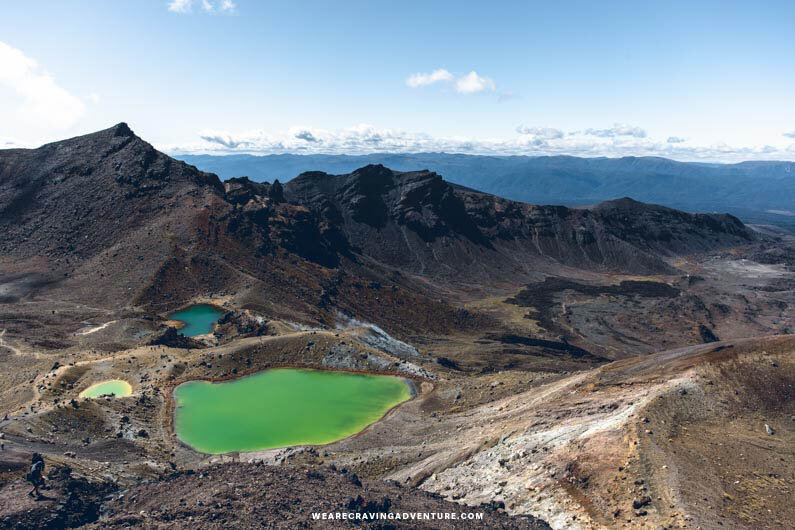
Tongariro, Ruapehu and the Central Plateau
If you want North Island snow, this is where you go. Ruapehu is home to the North Island’s main ski areas, and the Central Plateau is one of the few places on the North Island where winter really feels like winter.
This area is spectacular, but it is also one where you need to be realistic. The Tongariro Alpine Crossing is not a casual winter walk. In winter, it becomes an alpine route with snow, ice, avalanche risk, and proper gear requirements. Unless you know what you are doing, go with a guide or save it for another season.
That said, if you are skiing Ruapehu or want dramatic volcanic landscapes, this is a great winter addition to a North Island itinerary.
Best winter experiences: skiing on Ruapehu, guided winter Tongariro trips, volcanic landscapes, short walks, and pairing this area with Rotorua and Waitomo.
Book Tongariro and Ruapehu:
Premium Tongariro Alpine Crossing guided walk
Private Tongariro Alpine Crossing guided walk
Mt Ruapehu Summit Plateau guided hike
Half-day Tongariro volcanic guided walk

Northland and the Bay of Islands
Northland is your best bet if you want a milder New Zealand winter trip. It is not tropical beach weather in the “let me lie in a bikini all day” sense, but it is warmer than most of the country and much more appealing if cold mountains are not your thing.
The Bay of Islands, Cape Reinga, Kerikeri, Rainbow Falls, Matauri Bay, and the coastal roads are all still worth visiting in winter. You probably will not spend your whole trip swimming, but you can walk beaches, take boat trips, visit waterfalls, and enjoy the north without summer crowds.
Northland is especially good if you are flying in and out of Auckland and want a winter trip that avoids the coldest parts of the South Island.
Best winter experiences: Bay of Islands, Cape Reinga, Kerikeri, Rainbow Falls, coastal road trips, boat tours, and warmer winter weather.
Book Northland and the Bay of Islands:
Hole in the Rock Cruise and Bay of Islands tour
Bay of Islands half-day cruise from Paihia or Russell
Cape Reinga and 90 Mile Beach tour from Paihia
Cape Reinga half-day tour with scenic flight
3-day Bay of Islands and Cape Reinga tour from Auckland

Best things to do in New Zealand in winter
Most things to do in New Zealand are available year-round, so I would not build your winter trip only around “winter activities.” That is how you end up with a very repetitive itinerary of skiing, hot pools, skiing, hot pools, and then wondering why your knees hate you.
The best New Zealand winter trip mixes seasonal experiences with year-round highlights that still work well in cold weather: skiing, Milford Sound, hot pools, glowworms, Hobbiton, Māori culture, whale watching, scenic flights, wine tasting, and a few proper winter oddities like club ski fields and the Aurora Australis.

Go skiing or snowboarding
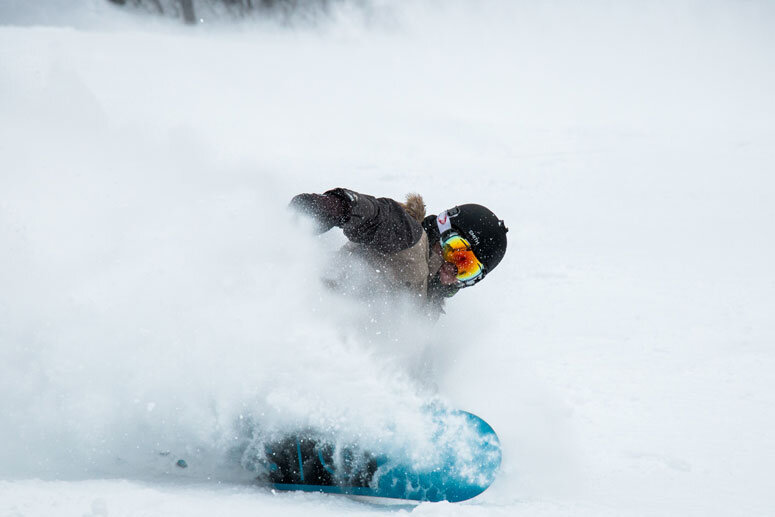
Skiing and snowboarding are the obvious reasons to visit New Zealand in winter. The main ski areas are around Queenstown, Wanaka, Canterbury, and Ruapehu on the North Island.
Queenstown is the easiest choice if you want a full winter holiday with skiing, restaurants, bars, tours, après-ski and other things to do on non-ski days. Wanaka is better if you want a slightly quieter base with access to Cardrona and Treble Cone. Christchurch in Canterbury has Mount Hutt and the club ski fields, and Ruapehu is the main North Island option.
Just keep your expectations realistic. New Zealand ski fields are fun, scenic and often beautifully wild, but they are not the Alps. The ski areas are smaller, the roads can be more annoying, the weather can be moody, and the infrastructure is not always as polished as what you might be used to in Europe or North America.
That said, if you want to ski in July or August, New Zealand is obviously one of the best places to do it in the Southern Hemisphere.
If you are staying in Queenstown without a car, this Coronet Peak snow shuttle is an easy option for getting up the mountain without dealing with winter roads yourself.
If you want the easiest no-planning version, there are also packaged options like this 3-night Queenstown ski break, which is a better fit if you want accommodation, transfers and ski logistics bundled together rather than piecing everything together yourself.
On the North Island, Ruapehu is easier if you do not want to drive up to the snow yourself. You can book a Whakapapa ski field shuttle, a Mt Ruapehu flexi ski lift pass, or the Sky Waka gondola if you want the mountain views without skiing.
If you are a more confident skier or snowboarder, also look into New Zealand’s club ski fields, also known as the Clibbies. They are one of the most interesting winter experiences in the country, especially if you like skiing but hate anything that feels too polished, commercial, or resort-y.
Club fields are small ski areas run by ski clubs, mostly around Canterbury and Arthur’s Pass. The infrastructure is basic, the lifts can be old-school, and in many places you use rope tows with a nutcracker belt rather than nice modern chairlifts. It is very much “skiing before everything got sanitized and expensive.”
They are not the best choice for total beginners or anyone who wants spa-hotel-lift-pass comfort. But if you are a confident skier or snowboarder and want something more local, rugged, and properly Kiwi, they are worth looking into.
The main catch is access. Many club fields are remote, roads can be rough, and winter driving conditions can change quickly. If you are planning to explore the club fields independently, book a rental car that makes sense for mountain roads and check the ski field access information before you go.
Book your ski trip:
Coronet Peak snow shuttle from Queenstown
Private Queenstown ski area experience
3-night Queenstown ski break
Whakapapa ski field shuttle
Mt Ruapehu 3-day flexi ski lift pass
Mt Ruapehu Sky Waka gondola
Rent a car for your winter road trip

Visit Milford Sound
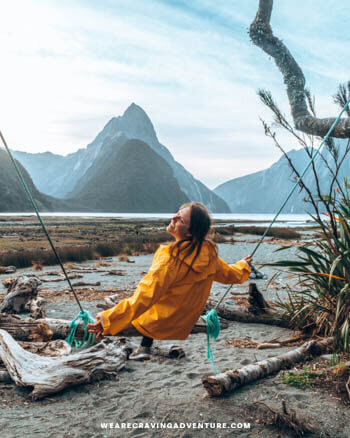
Milford Sound is one of those places that works in every season, but winter gives it a different kind of drama. Snow-dusted peaks, low clouds, waterfalls, dark water, and fewer people make it feel much wilder than in summer.
The only thing I would be careful with is the road. Driving to Milford Sound in winter can mean ice, snow, chains, avalanche control delays, or road closures. If you are not confident with winter driving, book a tour from Queenstown or Te Anau and let someone else deal with the road while you stare out the window like a very happy tourist goblin.
If you want to drive yourself, stay in Te Anau the night before. Doing Queenstown to Milford Sound and back in one winter day is possible, but it is a long, tiring day with limited daylight. Otherwise, I would seriously consider booking a small-group Milford Sound tour from Queenstown and saving your energy for actually enjoying the place.
Book Milford Sound:
Small-group Milford Sound tour from Queenstown
Coach, cruise and flight tour from Queenstown
Small boat Milford Sound cruise
Milford Sound cruise and kayak tour

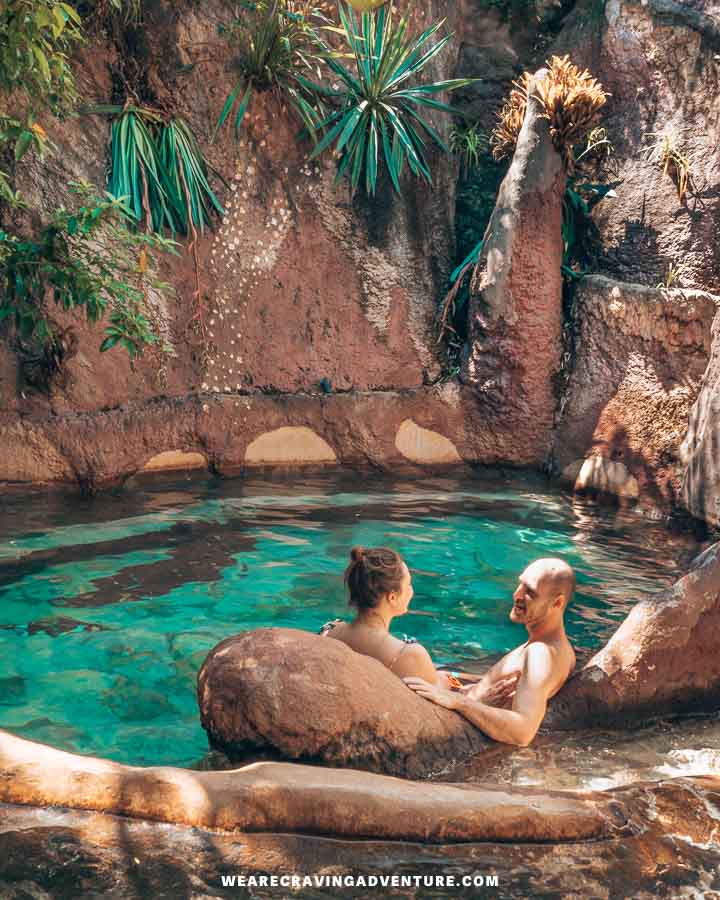
Soak in hot pools
Hot pools are easily one of the best things to do in New Zealand in winter. They are nice in summer too, sure, but soaking in hot water when the air is cold is a completely different experience.
Rotorua is the obvious place for geothermal hot pools. The classic option is the Polynesian Spa Deluxe Lake Spa, but Rotorua has more than one good soak. If you want something more premium and Māori wellness-focused, look at the Wai Ariki Hot Springs and Spa Restorative Journey. If mud baths are more your thing, Hell’s Gate Mud Bath and Spas is the obvious pick.
On the South Island, Hanmer Springs is one of the easiest hot pool stops to add to a winter road trip, especially if you are travelling through Canterbury.
Lake Tekapo is another good one if you are heading toward Mount Cook. The Tekapo Star Gazing and hot pools experience is a great winter combo because you get dark-sky stargazing and warm pools in one go.
Queenstown has some great options too. Onsen Hot Pools are scenic, romantic, and very much the treat yourself option. If you’re a fan of saunas and scenery then don’t miss this Floating Sauna and on Lake Whakatipu or the Queenstown spa and sauna options if you want something relaxing without driving out of town.
There are also free natural hot streams and pools around New Zealand, especially around Rotorua and Taupō. These can be amazing, but always check local safety rules before jumping into anything geothermal. Some pools are fine. Some are basically soup with consequences.
Book hot pools and spas:
Rotorua: Polynesian Spa Deluxe Lake Spa
Rotorua mud spa: Hell’s Gate Mud Bath and Spas
Hanmer Springs: Hanmer Springs Natural Thermal Pools admission
Lake Tekapo: Tekapo Star Gazing and hot pools experience
Queenstown: Floating Sauna on Lake Whakatipu

See glowworms in Waitomo
Waitomo is one of the easiest winter wins on the North Island because most of the experience happens underground anyway. Rain, cold, clouds, moody weather — who cares, you are in a cave staring at glowworms.
If you want the easiest version, book the classic Waitomo Glowworm Caves boat tour. You float silently through the cave while thousands of glowworms light up above you, and it is beautiful without requiring you to squeeze through tight spaces in a wetsuit.
If you want something more adventurous, do the black water rafting tour. I recommend the 3-hour version rather than the 5-hour version for most travellers. You still get the glowworms, underground tubing, caves, wetsuit fashion tragedy, and enough adventure without spending half the day and a lot more money on it.
Book Waitomo:
Waitomo Glowworm Caves boat tour
Waitomo black water rafting tour

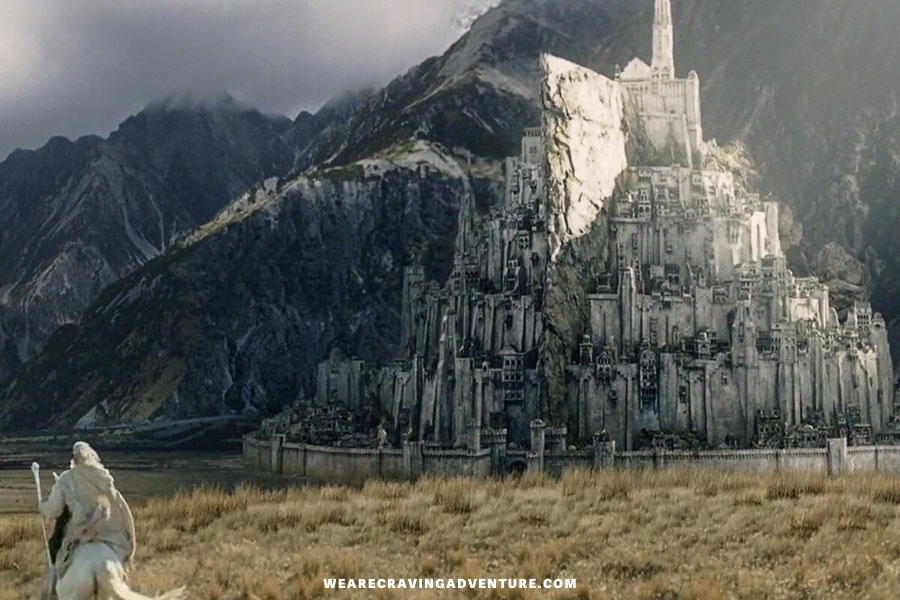
Visit Hobbiton and LOTR filming locations
Hobbiton is the Lord of the Rings village you are thinking of — the cute round doors, the Shire, the little hobbit holes, the whole cosy fantasy situation. It is one of the easiest places to add to a New Zealand winter itinerary because it sits nicely between Auckland, Waitomo and Rotorua.
Winter actually suits Hobbiton pretty well. The hills are still green, the crowds are usually lighter than in peak summer, and the whole place has a cosy pub-and-fireside feel once you get to the Green Dragon Inn. You can book the Hobbiton Movie Set tour on its own, or fit it into a Rotorua/Waitomo road trip.
If you are a proper LOTR fan, Queenstown and Glenorchy are also great for filming locations. A guided LOTR tour is worth it here because many filming locations are not obvious unless someone points them out. Otherwise you will just be standing in a pretty valley saying, “Was this Rohan? Or just… grass?”
Book Middle-earth experiences:
Hobbiton Movie Set tour
Half-day LOTR tour from Queenstown
Full-day LOTR 4WD tour from Queenstown
Weta Workshop experience in Wellington
READ NEXT:
Lord of the Rings Filming Locations
Find the best Lord of the Rings filming locations in New Zealand

Do a Māori cultural experience
Did you know: Matariki (Māori New Year) is usually celebrated in late June or early July by remembering the year that has been and letting it go. Matariki is the Māori name for the cluster of stars also known as the Pleiades and it also refers to the season when they first rise on the southern sky,
A Māori cultural experience is one of the best things to book in Rotorua, and winter is a great time to do it because it is an evening activity, includes dinner, and does not depend on perfect weather.
We went to Te Pā Tū, formerly known as Tamaki Māori Village, and I highly recommend it. The evening includes a welcome ceremony, cultural demonstrations, stories, games, performance, haka, and a hangi-style dinner. It is touristy in the sense that it is made for visitors, obviously, but it is also genuinely interesting and very well done.
This is one of those experiences I would book in advance, especially if you are travelling during school holidays or only have one night in Rotorua. If it fits your route, book the Te Pā Tū Māori cultural evening rather than leaving it until you arrive.
Book Rotorua:
Te Pā Tū Māori cultural evening


Go whale watching in Kaikoura
Kaikoura is one of the best places for whale watching in New Zealand, and winter is especially interesting because you can see sperm whales year-round, plus humpback whales migrating past the coast.
July is usually the peak month for humpback migration around Kaikoura, so if whale watching is high on your list, winter is not a compromise season. It is actually one of the better times to go.
The scenery helps too. Kaikoura is already dramatic, but in winter you often get snow on the mountains behind the coast, which makes the whole whale-watching setting feel even more ridiculous. Ridiculous in the good way, not “why did I book this 6am flight” way.
If this is a priority, book your Kaikoura whale watching tour ahead of time, especially if you are only spending one night in town.
Book Kaikoura:
Kaikoura whale watching tour

READ NEXT:
Where to See Wildlife in New Zealand
Find the best free places to see wildlife in New Zealand

Chase the Aurora Australis and go stargazing
Winter is the best time for dark skies in New Zealand because the nights are longer, which gives you a better chance for stargazing and, if conditions line up, seeing the Aurora Australis.
I would not plan your whole trip around the Southern Lights unless you are going far south and you are happy to be flexible. But if you are visiting places like Queenstown, the Catlins, Dunedin, Stewart Island, Lake Tekapo, or anywhere with a clear southern horizon, it is absolutely worth checking the Southern Lights forecast while you are there.
The further south you go, the better your chances. You can sometimes see the Aurora Australis from further north during strong solar activity, but realistically, South Island locations give you a much better shot.
Even if the aurora does not show up, winter stargazing in New Zealand can still be incredible. Lake Tekapo and the Mackenzie region are especially good if you want proper dark-sky conditions, and a guided stargazing experience is a good call if you want context instead of just standing outside freezing and pointing at random shiny dots.
Book stargazing:
Lake Tekapo dark sky stargazing experience

Take a scenic flight or heli-hike
If there is one type of New Zealand experience that really suits winter, it is anything involving glaciers, snow landings, or flying over ridiculous mountain scenery.
The Franz Josef Glacier heli-hike is the big bucket-list option. A helicopter takes you up onto the glacier, then you walk on the ice with a guide, exploring crevasses, blue ice, and formations you cannot reach from the valley floor anymore.
If you do not want to hike, a scenic helicopter flight with a snow landing is the easier option. It is still expensive, obviously, but it is one of those New Zealand splurge experiences that actually feels special rather than just “we paid a lot to sit somewhere scenic for 12 minutes.”
The annoying part is weather. Glacier flights are very weather-dependent, so book early in your stay if possible. That gives you a better chance of moving the tour if clouds, rain, or wind ruin the first attempt.
For the classic West Coast experience, book the Franz Josef Glacier heli-hike. If you want the views without the walking, go for a helicopter flight with snow landing instead.
Book glacier adventures:
Franz Josef Glacier heli-hike
Franz Josef helicopter flight with snow landing
Twin Glacier helicopter flight
Mount Aspiring and glaciers helicopter tour from Wanaka

Try New Zealand’s adventure activities
New Zealand does not shut down in winter, and the adventure activities are still very much running. If anything, the whole thing feels a bit more dramatic when the mountains are snowy, the air is cold, and you are questioning your life choices from the edge of a platform.
Queenstown is the obvious adventure capital. You can ski in the morning, book the Shotover Jet or the Shotover Canyon Swing in the afternoon, and end the day in a bar pretending that counts as recovery.
Rotorua is the North Island’s adventure hub and works really well in winter because a lot of the best activities are forest-based, geothermal, or short enough that the weather does not ruin the whole day. The Rotorua Canopy Tours zipline adventure is one of the best picks, and ZORB Rotorua is ridiculous in the best possible way.
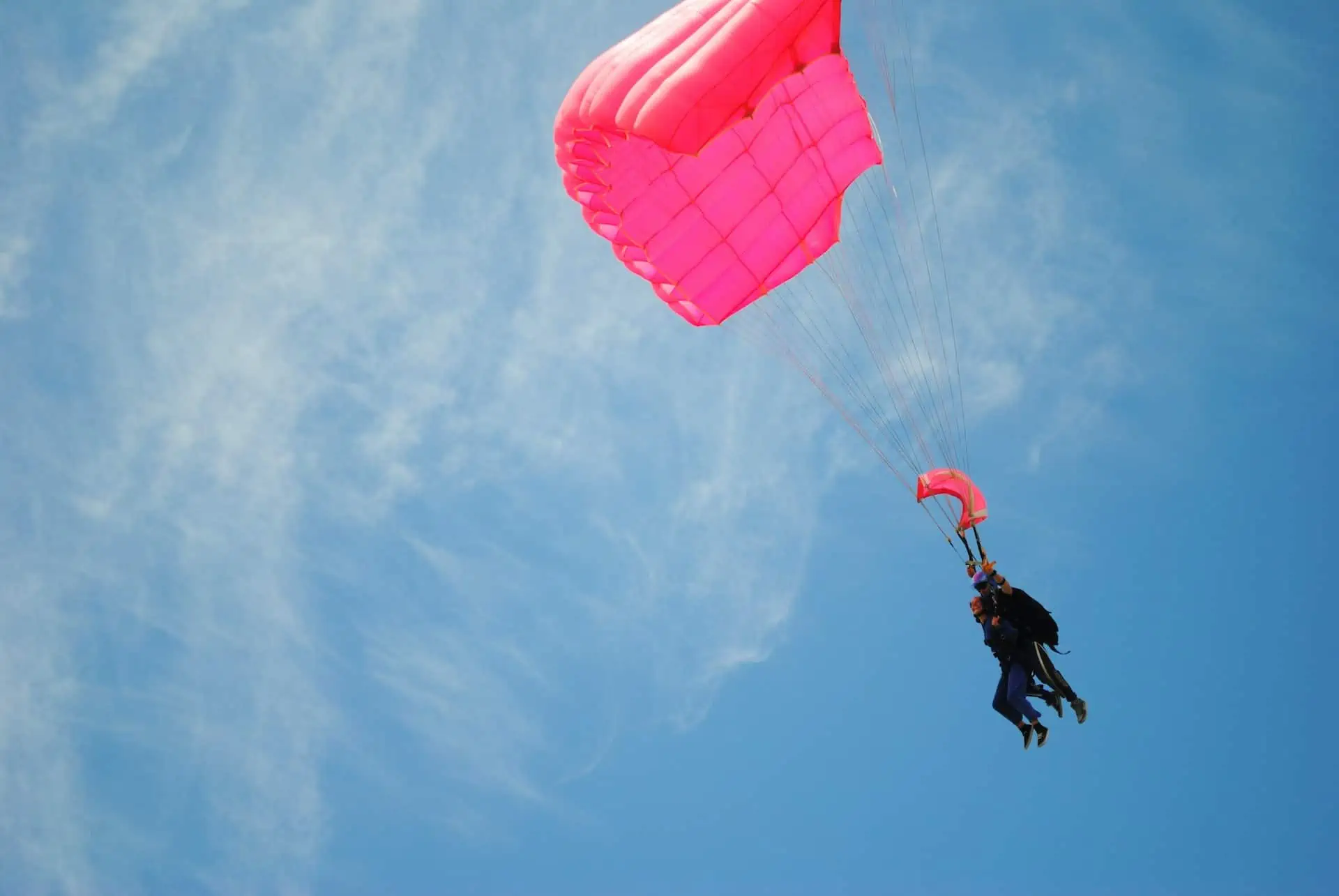
If skydiving is on your New Zealand bucket list, winter can be an incredible time for it because the mountain views are even sharper. Queenstown is the classic choice, but Wanaka, Taupō, Rotorua, and Franz Josef all have strong options too. Just remember that skydiving is weather-dependent, so do not leave it until your final afternoon if you will be devastated by a cancellation.
The only winter caveat is water. Jet boating, rafting, and canyon-style activities still run, but cold water feels very different in July than it does in January. Shocking journalism, I know.
Book adventure activities:
Queenstown: Shotover Jet boat ride
Queenstown: Shotover Canyon Swing
Queenstown: NZONE Skydive Queenstown
Wanaka: Skydive Wanaka
Rotorua: Rotorua Canopy Tours zipline adventure
Rotorua: ZORB Rotorua
Rotorua: 15,000 ft tandem skydive from Rotorua
Franz Josef: Franz Josef tandem skydive


Go wine tasting
Wine tasting might not scream “winter adventure,” but honestly, sitting by a fireplace with a glass of New Zealand wine is a very strong argument for travelling in the cold.
New Zealand has several excellent wine regions. Central Otago is the obvious choice if you are staying in Queenstown or Wanaka, Marlborough is the classic region for Sauvignon Blanc, Waiheke Island works well from Auckland, and Hawke’s Bay is a great option if your North Island route takes you through Napier.
- If you are in Queenstown, book a Central Otago wine tour from Queenstown.
- If you are travelling through Marlborough, go for a full-day Marlborough wine tour from Picton or Blenheim.
- From Auckland, Waiheke Island is the easiest wine escape, and a Waiheke Island wine tour is much better than trying to coordinate ferries, tastings and transport yourself.
Wine tours are also one of those activities where not driving yourself is the whole point. New Zealand roads are scenic, but they are not where you want to be after several tastings and a big lunch. Revolutionary, I know.
Book wine tasting:
Central Otago wine tour from Queenstown
Full-day Marlborough wine tour from Picton or Blenheim
Half-day Marlborough wine tour
Marlborough hop-on hop-off wine tour
Waiheke Island premium wine tour
Waiheke boutique wine tour
Muriwai scenic wine tour from Auckland
See a kiwi bird
The kiwi bird is one of New Zealand’s national symbols, but seeing one in the wild is not exactly easy. They are nocturnal, shy, endangered, and generally not hanging around next to car parks waiting for tourists with cameras.
If you just want the easiest chance of seeing a kiwi, visit a sanctuary or wildlife centre. In Queenstown, the Kiwi Park is a convenient option because you can fit it around skiing, bad weather, or a low-energy day.
Seeing a kiwi in the wild is much better, but it takes more effort. Okarito on the West Coast and Ulva Island near Stewart Island are two of the best places to try, though neither is something I would casually squeeze into a rushed first-time winter itinerary.
If you are already going to Queenstown, Kiwi Park admission is the simplest option. If you are travelling the West Coast, the Lake Mapourika kayak and Okarito Kiwi Sanctuary tour is a more adventurous choice.
Book kiwi experiences:
Kiwi Park admission in Queenstown
Lake Mapourika kayak and Okarito Kiwi Sanctuary tour
Winter holidays and dates in New Zealand
New Zealand does not have the same kind of winter holiday season you might be used to in the Northern Hemisphere. There are no Christmas markets, no New Year fireworks, and no cosy December city-break atmosphere because December is summer here.
But there are still a few winter dates that can affect travel plans, accommodation prices, attraction opening hours, and ski-field crowds.
| Winter date | What to know |
| King’s Birthday | A public holiday in early June. Expect some long-weekend domestic travel. |
| Matariki | Māori New Year. The date changes each year and usually falls in June or July. |
| July school holidays | The big one to watch. Ski fields, Queenstown, Wanaka, Rotorua and family-friendly attractions can get busier. |
| Ski season openings | Many ski fields aim to open from June, but actual conditions vary each year. |
If you are travelling during July school holidays and want to stay in Queenstown, Wanaka, Rotorua, or near the ski fields, book accommodation earlier than you think you need to. This is especially true if you want something decent and not wildly overpriced.

New Zealand winter weather
New Zealand winter weather is not as extreme as many people expect, but it is unpredictable. The classic New Zealand “four seasons in a day” cliché exists for a reason. You can get rain, sun, wind, snow, and clear blue skies all in the same week, sometimes all before lunch if the weather is feeling dramatic.
Most of New Zealand is coastal, so many towns stay relatively mild compared with inland Europe or North America. The coldest and snowiest areas are usually alpine regions, mountain passes, the Central Plateau, and the Southern Alps.
In general, the North Island is milder and wetter, while the South Island is colder and more alpine. Queenstown, Wanaka, Lake Tekapo, Mount Cook, Canterbury, the West Coast glaciers, and Fiordland all feel much more wintery than Auckland, Northland, or coastal Bay of Plenty.
| Month | What to expect |
| June | Start of winter, short days, more rain in many areas, and the beginning of ski season if snow conditions cooperate. |
| July | Usually the coldest winter month and the main month for school holiday crowds, especially around ski areas. |
| August | Still winter, often good for skiing, but you may start noticing slightly longer days and hints of spring later in the month. |
| September | Technically spring, not official winter, but many ski fields may still be operating and alpine areas can still feel wintery. |
When is winter in New Zealand?
Winter in New Zealand is June, July and August. These are the official winter months.
September is spring, but it can still feel wintery in alpine areas and many ski fields often stay open into September depending on snow conditions. So if you are planning a ski trip, September can still work, but I would not describe it as an official winter month.
Does it snow in New Zealand in winter?
Yes, it snows in New Zealand in winter, but not everywhere. This is where a lot of travellers get the wrong idea.
New Zealand is not one giant snowy country in winter. Most coastal towns do not get much snow, and even Queenstown town centre usually does not have snow sitting around for long. The ski fields, mountain passes, alpine areas, Central Plateau and Southern Alps are where you are most likely to see proper snow.
If snow is a major part of your dream trip, focus on Queenstown, Wanaka, Ruapehu, Mount Hutt, Canterbury ski fields, Lake Tekapo, Mount Cook, or the Southern Alps. If you are going to Auckland, Northland, Rotorua, Waitomo, or most coastal areas, expect winter weather, not a snow globe.
Getting around New Zealand in winter
The best way to get around New Zealand in winter is usually by car, but this is where you need to be a bit more realistic than you would be in summer. The roads are scenic, the distances are bigger than they look on a map, and short winter days make rushed itineraries feel even more rushed.
For most winter trips, I would book a rental car and stay in warm accommodation rather than renting a campervan. Campervans are brilliant in New Zealand, but winter van life is a different beast. Cold nights, condensation, shorter daylight hours, muddy campsites, and wet gear everywhere? Romantic until about 2am.
A rental car gives you the flexibility to explore properly, but you still get to sleep in an actual bed, dry your clothes, and not wake up inside a damp metal box questioning your choices.
That said, you do not need to drive everywhere yourself. For long or weather-sensitive routes like Milford Sound in winter, I would strongly consider booking a tour instead. It is often more relaxing, safer, and honestly just easier than driving a long alpine road in questionable conditions.
Book your winter transport:
Rental car: Compare rental cars for New Zealand
Milford Sound: Small-group Milford Sound tour from Queenstown
Queenstown ski shuttle: Coronet Peak snow shuttle
Ruapehu ski shuttle: Whakapapa ski field shuttle

Driving in New Zealand in winter
Driving in New Zealand in winter is usually fine, but it is not something I would be totally casual about. Most roads are open, most drives are manageable, and outside the ski towns there are fewer tourists on the road than in summer. But winter does add a few things you need to think about.
First, New Zealand drives on the left. If you are coming from the US, mainland Europe, or anywhere else that drives on the right, give yourself time to adjust. Do not land after a long-haul flight, pick up a car, and immediately attempt some big scenic mission. That is how travel blogs become cautionary tales.
Second, winter days are short. This matters more than people think. A drive that feels easy in summer can feel much more tiring when it gets dark early, temperatures drop, and you are trying to navigate winding roads after sunset.
Third, some roads are more exposed to snow, ice, closures, and chain requirements. The Crown Range between Queenstown and Wanaka, the Milford Road, alpine passes, ski field access roads, and parts of the Central Plateau all need more attention in winter.
If you are renting a car, book through a platform where you can compare companies, insurance, car type, and winter driving policies clearly. I usually recommend checking DiscoverCars for New Zealand rental cars because it makes it easy to compare options instead of opening 14 tabs and slowly losing the will to live.
For winter, I would avoid the tiniest budget car if your itinerary includes ski fields, mountain passes, or remote roads. You do not necessarily need a massive 4WD for a normal trip, but you do want something comfortable, reliable, and suitable for the route you are actually driving.

Rental car or campervan in winter?
In summer, I would usually say a campervan is one of the best ways to travel around New Zealand. In winter, I am much more cautious.
A campervan can still work if you really want that experience, choose a properly equipped vehicle, stay in powered campsites, and are prepared for cold nights. But for most travellers, especially first-timers, a rental car plus hotels, motels, lodges, or apartments will be more comfortable.
The biggest winter issue with campervans is not just the cold. It is the combination of cold, rain, wet clothes, condensation, shorter days, and spending more time inside the van. In summer, you live outside. In winter, you live inside the van a lot more. That changes the whole experience.
If you are doing a ski trip, travelling with lots of gear, visiting Queenstown/Wanaka, or driving longer South Island routes, I would lean rental car and accommodation. You will be warmer, drier, and less likely to end up resenting your entire itinerary.
| Option | Best for | Winter downside |
| Rental car + hotels | Most winter trips, ski trips, first-timers, couples, shorter itineraries, comfort-focused travel. | Usually more expensive than a basic campervan setup, depending on accommodation. |
| Campervan | Experienced road trippers, flexible travellers, people who specifically want winter van life. | Cold nights, condensation, wet gear, shorter days, more time inside the van. |
| Tours + no car | Queenstown, Rotorua, Auckland add-ons, Milford Sound, ski shuttles, people nervous about winter driving. | Less flexibility outside major tourist hubs. |

🚘 MY GO-TO RENTAL COMPANY: DISCOVER CARS
I always book my rental car through Discover Cars. They compare local and international agencies to get the best deals. No hidden fees, free cancellation, 24/7 support, and optional full coverage for peace of mind.
Do you need snow chains in New Zealand?
You may need snow chains in New Zealand in winter if you are driving to ski fields, over alpine passes, or on certain roads during snow and ice conditions. Chain rules depend on the road, the weather, and the day, so check local road updates before setting off.
If you are renting a car, check whether snow chains are included, available as an add-on, or required for your route. This is especially important for Queenstown, Wanaka, Mount Hutt, the Crown Range, Ruapehu, and any ski-field access roads.
If you are not confident with winter driving, use shuttles or tours for awkward routes. There is no prize for bravely driving an icy road while everyone in the car sits in silence pretending not to panic.
Sort your winter transport:
Rental car: Compare New Zealand rental cars
Queenstown ski shuttle: Coronet Peak snow shuttle
Milford Sound: Small-group Milford Sound tour from Queenstown

What to book in advance for a New Zealand winter trip
You do not need to book every single thing months ahead, but there are a few New Zealand winter experiences I would not leave until the last minute. This is especially true if you are travelling during July school holidays, staying in Queenstown or Wanaka, or only have one shot at a weather-dependent activity.
The main things to book early are accommodation in ski towns, your rental car, Milford Sound tours, popular Rotorua experiences, Waitomo, Hobbiton, whale watching, glacier heli-hikes, and anything involving skiing or snow transport.
| Book in advance | Why it matters in winter |
| Queenstown accommodation and Wanaka accommodation | Ski season and school holidays can push prices up fast. |
| Rental car | Better prices, better car choice, and more time to check winter driving conditions. |
| Milford Sound tour | Winter road conditions make tours more appealing, and good small-group options can sell out. |
| Rotorua Māori cultural evening | Popular evening experience and easy to miss if you only have one night in Rotorua. |
| Waitomo Glowworm Caves | Works in almost any weather, so it is a reliable winter itinerary anchor. |
| Hobbiton Movie Set tour | Easy to combine with Rotorua and Waitomo, but timed tours can fill up. |
| Franz Josef Glacier heli-hike | Weather-dependent, so book early in your stay in case you need to reschedule. |
| Kaikoura whale watching | Winter can be excellent for whales, but availability is still limited. |
| Queenstown ski shuttle | Useful if you do not want to drive ski-field access roads yourself. |
Is New Zealand busy in winter?
One of the biggest reasons to visit New Zealand in winter is that the country feels quieter. Outside of Queenstown, Wanaka, ski areas, and school holiday hotspots, you will usually deal with fewer tourists than in summer.
This makes a huge difference at places like Milford Sound, Rotorua, Waitomo, Hobbiton, Cathedral Cove, Kaikoura, and the West Coast. You still will not have every famous place completely to yourself, but winter takes the edge off the crowds.
Accommodation can also be cheaper outside ski towns, and rental prices can be lower than in peak summer. That does not mean New Zealand suddenly becomes cheap — let’s not get carried away — but winter can make the trip noticeably less painful for your bank account.
If saving money is part of the reason you are considering winter, compare accommodation early and book your rental car before prices creep up around school holidays or ski season demand.
Why visit New Zealand in winter
New Zealand is a year round destination and winter in New Zealand offers some really spectacular scenery and events sans the crowds and hefty price tag.
The most obvious reason to visit New Zealand in winter is for skiing and snowboarding in the peak of Northern hemisphere’s summer. If that’s the case, head over to Queenstown for a winter holiday.
Outside of Queenstown, New Zealand sees a lot less tourism in winter which means no crowds as you travel around the country. You’ll get impressive sights like Milford Sound (almost) all to yourself and accommodation will be much more affordable. New Zealand isn’t a cheap country and the prices of accommodation and rentals in summer can often go through the roof. Traveling in winter will allow you to save considerably.
Winter in new Zealand is also a fantastic time for nature lovers. The winter months are the best time of the year for whale watching and are the perfect time to visit New Zealand if you want to see the wildlife. If you are into astro photography and/or want to see the Southern Lights, the winter months will afford you some increbile night skies.

FAQ about New Zealand in winter
Is New Zealand worth visiting in winter?
Yes, New Zealand is worth visiting in winter if you want skiing, snowy mountains, hot pools, geothermal landscapes, Milford Sound, glaciers, whale watching, glowworms, and fewer crowds. It is not the best season if your dream trip is beaches, long summer evenings, warm hikes, and easy campervan travel.
What is the best winter month to visit New Zealand?
July and August are the best months if skiing is your priority. June can be good, but snow conditions are less reliable early in the season. August is often a strong choice because ski season is underway, the days are slowly getting longer, and you still get proper winter atmosphere.
Does it snow everywhere in New Zealand in winter?
No, it does not snow everywhere in New Zealand. Snow is mostly found in alpine areas, ski fields, mountain passes, the Central Plateau, and parts of the South Island. Coastal towns and warmer North Island destinations usually get winter weather, not proper snow.
Can you drive around New Zealand in winter?
Yes, you can drive around New Zealand in winter, but you need to plan more carefully than in summer. Shorter days, icy roads, alpine passes, ski field access roads, and sudden weather changes can all affect your trip. For most winter itineraries, I would book a rental car and use tours or shuttles for trickier winter routes like Milford Sound or ski field access roads.
Is it better to rent a car or campervan in New Zealand in winter?
For most travellers, a rental car and warm accommodation is better than a campervan in winter. Campervans can still work, but cold nights, condensation, wet clothes, shorter daylight hours, and spending more time inside the van make the experience much less romantic than it looks online.
Where should I go in New Zealand in winter on a first trip?
For a first winter trip, I would focus on Queenstown or Wanaka, Milford Sound, Rotorua, Waitomo, Hobbiton, and one or two extras depending on your interests. Add Kaikoura for whales, Franz Josef for glaciers, Lake Tekapo for stargazing, Ruapehu for North Island skiing, or Northland if you want a milder winter escape.
Is Milford Sound worth visiting in winter?
Yes, Milford Sound is absolutely worth visiting in winter. The road can be more weather-sensitive, but the scenery is dramatic, the mountains look incredible with snow, and the crowds are usually lower than in summer. If you are nervous about winter driving, book a Milford Sound tour from Queenstown instead of driving yourself.
How many days do you need in New Zealand in winter?
For one island, 10 to 14 days is a good winter trip length. For both islands, I would aim for at least 3 weeks. You can do less, but winter is not the season for a hyper-rushed itinerary because daylight is shorter and weather delays are more likely.
Planning a winter trip to New Zealand?
New Zealand is one of those countries where the planning matters almost as much as the places themselves. Distances look deceptively easy on a map, winter days are shorter, and a “quick scenic drive” can very quickly become six hours of winding roads, weather checks, and questioning your itinerary choices.
To help you plan properly, I’ve put together a series of practical New Zealand winter guides covering the big winter bases: Queenstown, Rotorua, skiing and snowboarding, road trip routes, Milford Sound, glaciers, and Lord of the Rings filming locations.
Read next:
New Zealand in winter:
Queenstown in winter
Rotorua in winter
Skiing and snowboarding in New Zealand
New Zealand road trips:
South Island road trip itinerary
North Island road trip itinerary
New Zealand travel guide
South Island highlights:
Best Milford Sound tours
Franz Josef Glacier heli-hike review
North Island highlights:
Best things to do in Rotorua
Lord of the Rings filming locations in New Zealand
Wildlife and nature:
Ulva Island kiwi bird guide
Franz Josef Glacier heli-hike
Winter trip essentials:
Compare New Zealand rental cars
Find North Island accommodation
Find South Island accommodation
Reliable travel insurance
Good travel insurance is an absolute must when traveling abroad, and I’ve learned that the hard way!
Now I always get insured before I leave and Travel Insurance Masters is my go-to platform to find the best insurance options for the specific trip.
The TIM platform works as a search engine and suggests the best insurance company and insurance plan for your criteria so you don’t end up paying more for things you don’t need! It also takes into account your age, nationality, destination etc. which can greatly impact the final price.
You can get your quote & provider recommendations here.

Hi There! My family and I are headed to NZ in June/July. I’m wondering if I need to book our reservations for activities such as the caves and cruises and things prior to being there? Or can we must reserve a place to stay and then make daily reservations for activities? Any advice would be appreciated, thanks!
Hi Tiffany, It’s always best to book in advance. However, winter isn’t as busy as the rest of the year (but be mindful of school holidays!) so you can get by with booking just a week or so in advance. Make sure to check my North Island and South Island itineraries for the best NZ experiences, there’s plenty of activity recommendations there. Queenstown and Rotorua are especially nice in winter!