This site uses affiliates. Thank you for buying through our links and supporting this blog.


27 New Zealand Travel Tips I Wish I Knew Before Visiting

The biggest mistake you can make when planning a trip to New Zealand is trying to see too much. The second is underestimating just how different traveling in New Zealand can be from traveling elsewhere. And the third? Thinking a pair of jeans will protect you from sandflies. But more on those little bastards later.
I lived in New Zealand for six years, called Auckland, Queenstown and Christchurch home, spent about a year traveling around in a campervan, and explored both islands extensively.
I’ve made my fair share of mistakes along the way, discovered some ridiculously beautiful places by accident, and developed a few rather strong opinions about how to travel New Zealand.
These are my best New Zealand travel tips, including things to know before visiting, mistakes to avoid, what I’d happily spend money on, and a few peculiarities of Kiwi life that might catch you off guard.

In a hurry?
Sort out these New Zealand travel essentials first!
These are the experiences I’d book first:
Getting around: Compare New Zealand rental cars
Planning your route: North Island road trip itinerary and South Island road trip itinerary
Māori culture: Te Pā Tū cultural evening and seasonal feast
Middle-earth: Hobbiton Movie Set tour
Fiordland: Milford Sound boutique cruise
Ultimate splurge: Franz Josef Glacier heli-hike
Limited time? Milford Sound fly-cruise-fly from Queenstown
Mountain stay: The Hermitage Hotel
New Zealand travel tips for planning your trip

1. Only have two weeks? Pick one island!
I know New Zealand is a long way from pretty much everywhere, and if you’re flying halfway across the world, you’ll probably want to see as much of it as possible.
But please, if you only have two weeks or less in New Zealand, stick to one island.
New Zealand is roughly the size of the United Kingdom, and the two main islands are separated by the Cook Strait. Getting between them takes time, and once you factor in all those winding roads, mountain passes and detours, you’ll quickly realize that two weeks isn’t nearly as long as you thought.
You’ll spend far too much of your holiday getting from one place to another instead of actually enjoying New Zealand.
The North Island has geothermal landscapes, Māori culture, volcanic hikes, beautiful beaches and subtropical islands. The South Island is all about dramatic mountains, glacial lakes, fiords, incredible wildlife and some of the most spectacular drives you’ll ever experience.
I love both, but if mountains and dramatic scenery are what brought you to New Zealand in the first place, I’d prioritize the South Island.
I’ve put together several detailed itineraries to help you make the most of your time:
| Time available | North Island | South Island |
|---|---|---|
| Around one week | 7-day North Island itinerary | Base yourself in Queenstown and explore on day trips |
| Around 10 days | Extend one of my 7-day routes | 10-day South Island itinerary |
| Two weeks | 2-week North Island road trip | 2-week South Island road trip |
| Three weeks | Extended North Island road trip | Extended South Island road trip |
With three weeks, you can combine selected highlights of both islands if you’re happy to make some compromises. With a month or longer, things start getting a lot more interesting.

READ NEXT:
New Zealand North Island Itinerary – 7 Days
A one-week itinerary for New Zealand’s North Island


2. Don’t try to cram too much into your New Zealand itinerary
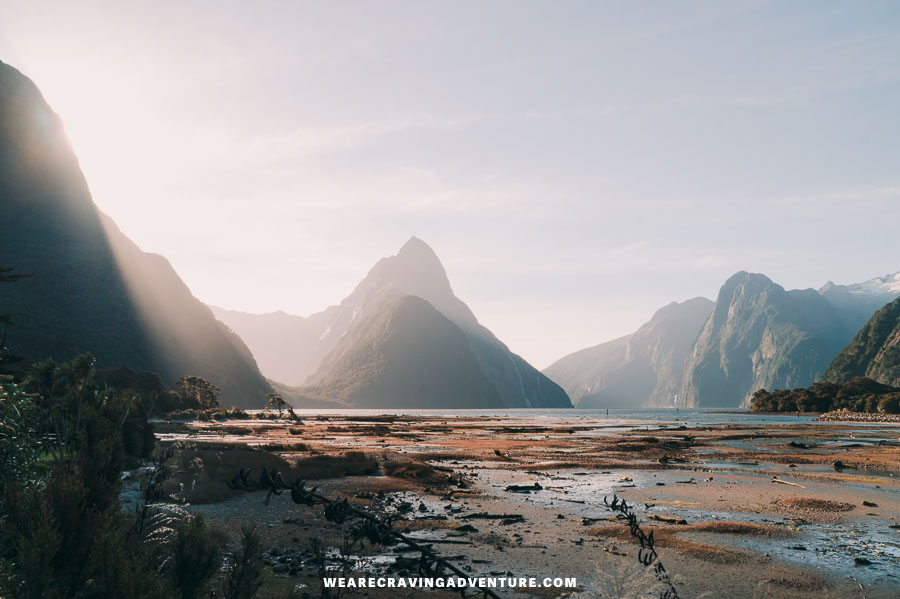
New Zealand is one of those countries where the drive itself is often just as spectacular as the destination you’re driving to.
The problem with an overly ambitious itinerary is that it leaves absolutely no room to enjoy it.
Some of my favorite places in New Zealand were never part of the original plan. They were random beaches, viewpoints, little waterfalls and beautiful corners of the country that I stumbled upon while driving somewhere else.
Try to stay in the same place for a few nights where it makes geographical sense, and explore the surrounding area instead of constantly packing and unpacking your bags.
Queenstown, Rotorua and Te Anau are particularly useful bases for exploring their surroundings.
Plan your route around the experiences you really care about, rather than the number of destinations you can squeeze into it.

READ NEXT:
New Zealand South Island Road Trip Itinerary
Plan the ultimate 2 & 3 week South Island road trip route

3. Consider visiting New Zealand in shoulder season
December through February is summer in New Zealand, with long days, warmer temperatures and plenty of opportunities to enjoy the outdoors.
It’s also when many Kiwis go on holiday themselves. Around Christmas, New Year and the summer school holidays, popular beaches, campsites and tourist destinations can get incredibly busy.
If your travel dates are flexible, I’d seriously consider November, March or April.
March in particular can be a lovely time for a road trip. You can still get beautiful weather, but you’re generally past the busiest part of the summer holidays. April brings beautiful autumn colors to places like Arrowtown and Central Otago, although the days are getting shorter and colder.
Spring can be more unpredictable, especially in alpine areas. And if skiing or snowboarding is what you’re coming for, winter obviously makes a lot more sense.
There really isn’t one universally perfect time to visit New Zealand. Pick the season that best suits what you want to do, rather than automatically booking the middle of summer.


4. Book the big New Zealand experiences in advance
I’m all for spontaneous adventures, but some experiences are simply too good to risk missing out on.
You don’t need to book every hike, waterfall and sightseeing stop in advance. You should, however, reserve the activities with limited capacity that would genuinely disappoint you if you missed them.
These are some of the experiences I’d book first:
| Experience | What I’d book |
|---|---|
| Exploring Middle-earth | Hobbiton Movie Set tour |
| Māori culture in Rotorua | Te Pā Tū cultural evening |
| Cruising through Fiordland | Milford Sound small-boat cruise |
| Walking on a glacier | Franz Josef Glacier heli-hike |
| Marine wildlife | Kaikōura whale watching |
If you’re traveling during peak season, I’d also book your rental vehicle, accommodation in smaller tourist destinations, and the Cook Strait ferry if you’re taking a vehicle between the islands.
Places like Mount Cook and Milford Sound have very limited accommodation options, and waiting until the last minute can leave you staying much farther away than you’d intended. In Mount Cook Village, I’d check The Hermitage Hotel as soon as you know your dates. My Mount Cook accommodation guide covers the alternatives.

READ NEXT:
Best Geothermal Parks in Rotorua
Compare Rotorua’s geothermal parks, from colourful pools and geysers to bubbling mud

5. Save on the ordinary and splurge on the extraordinary
New Zealand is expensive. There’s no particularly nice way of putting it.
Food, accommodation, fuel and activities can quickly add up, especially if you’re traveling for several weeks.
But I wouldn’t save up for a trip to New Zealand, fly halfway across the world, and then miss out on the very experiences that make the country so special because they’re expensive.
I’d much rather cook most of my own meals, stay in reasonably priced accommodation, and put that money toward something truly memorable.
A Māori cultural evening, a wildlife encounter, a helicopter flight onto a glacier, a cruise through Milford Sound, or an adventure activity you’ve always wanted to try.
New Zealand is famous for adventure sports for good reason. I’ve done my fair share of them, and one that I absolutely loved was the SkyJump off Auckland’s Sky Tower. Something about jumping off a building surrounded by other buildings made it feel even more intimidating to me than a canyon swing in Queenstown.
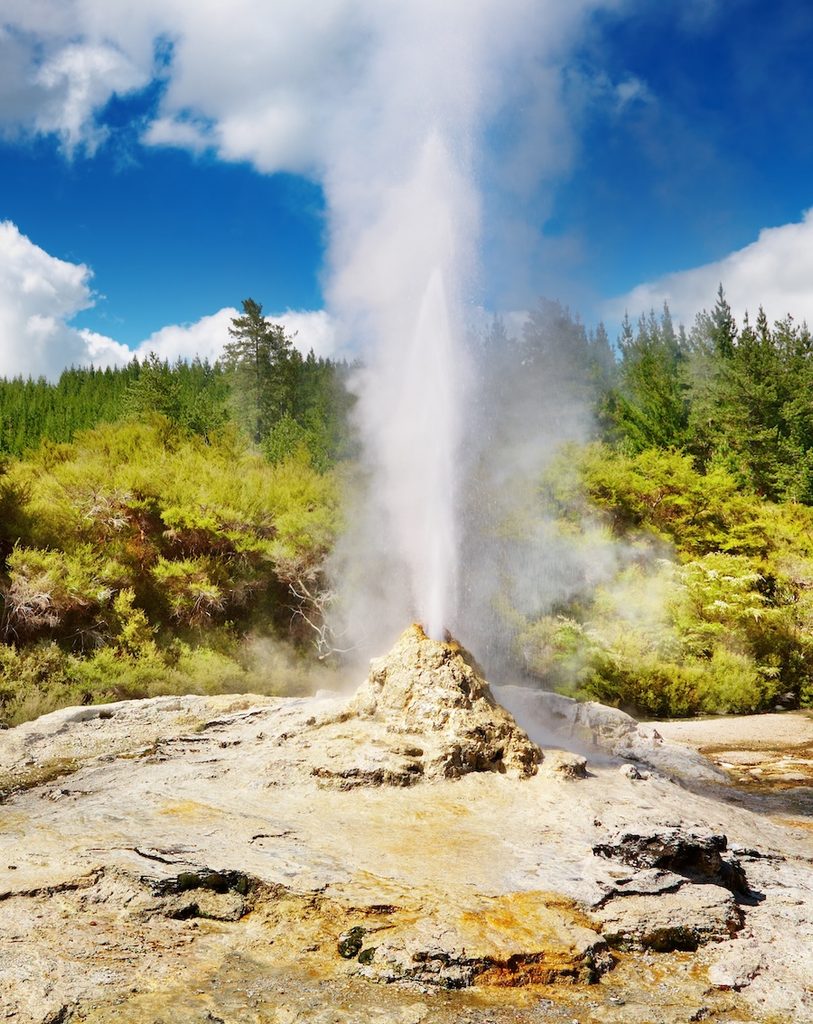
And then there are experiences like Wai-O-Tapu Thermal Wonderland, which is my favorite geothermal park in Rotorua. You don’t have to spend hundreds of dollars to have an extraordinary experience.
The same goes for accommodation. New Zealand has some incredible places to stay, and I would deliberately budget for a few spectacular ones.
A beautiful secluded cabin, a mountain lodge, or a room overlooking one of those ridiculously blue lakes can be an experience in itself. Lakestone Lodge overlooking Lake Pukaki is the sort of place I’d consider for a deliberate splurge. You don’t need that every night, though, especially when you’re only stopping somewhere to sleep before another day of driving.
A few splurges I’d seriously consider:
- Te Pā Tū Māori cultural experience
- Franz Josef Glacier heli-hike
- Milford Sound fly-cruise-fly from Queenstown, especially if you’re short on time
- Kaikōura whale watching
Ultimately, spend your money on what matters to you. There’s little point in paying for a bungy jump if the mere thought of it makes you miserable.

READ NEXT:
Compare the best Milford Sound cruises and find the right one for your trip


READ NEXT:
See where to watch whales, compare tours and read about my own Kaikōura experience.

6. Leave room for spontaneous adventures and bad weather
Some of New Zealand’s best experiences are weather-dependent.
Glacier heli-hikes, scenic flights, alpine hikes and boat trips can all be affected by the weather, and sometimes there’s absolutely nothing you can do about it.
If a glacier heli-hike is high on your New Zealand bucket list, for example, try to spend two nights around Franz Josef rather than planning a single afternoon there. That gives you more opportunities to reschedule if the weather doesn’t cooperate, although there’s never a guarantee.
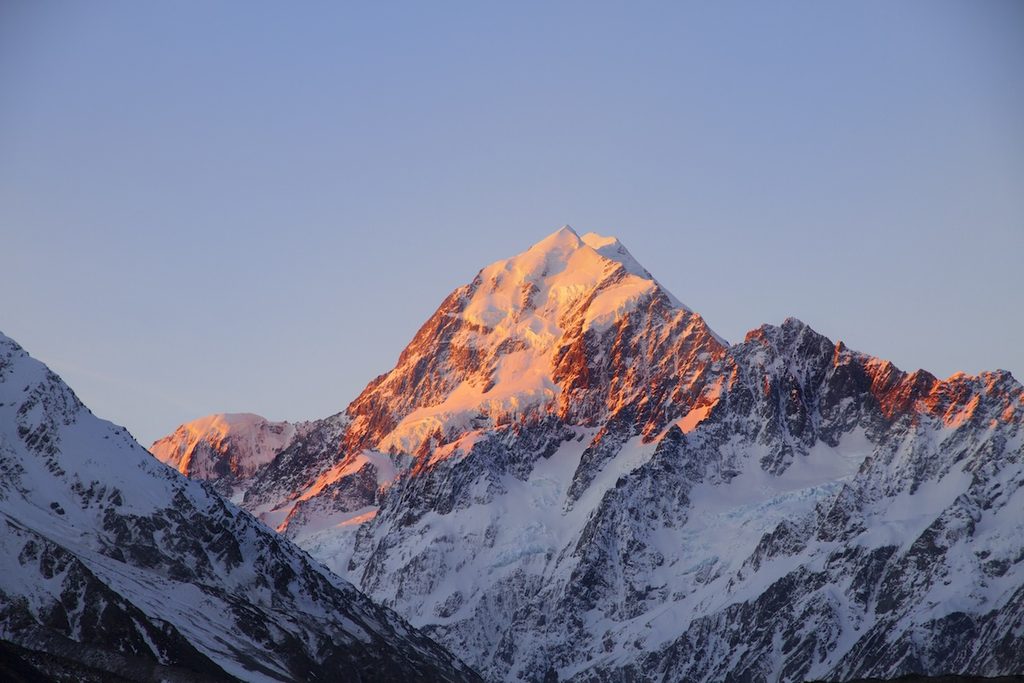
The same applies to Mount Cook, where the mountains can disappear behind clouds for much of the day, only to reveal themselves in all their glory a few hours later.
Having a bit of flexibility also means you can spend longer somewhere you unexpectedly fall in love with.
And trust me, that will happen quite a lot in New Zealand.
READ NEXT:
Aoraki/Mount Cook Travel Guide
Plan your time in Mount Cook, from scenic stops and short walks to the best hikes

READ NEXT:
Explore one of New Zealand’s wildest and most remote islands
Things to know before traveling to New Zealand
7. Sort out your visa, NZeTA and arrival declaration
Depending on your nationality and circumstances, you’ll generally need either a visitor visa or a New Zealand Electronic Travel Authority (NZeTA) before traveling to New Zealand.
Passport holders from visa-waiver countries, including the US, UK and many European countries, can generally travel with an NZeTA rather than applying for a visitor visa in advance. There are exceptions, so check your eligibility directly with Immigration New Zealand.
Most international visitors also need to pay the International Visitor Conservation and Tourism Levy (IVL) when applying for their NZeTA or relevant visa.
On top of that, everyone entering New Zealand must complete a separate New Zealand Traveller Declaration (NZTD). It’s free and collects immigration, customs and biosecurity information.
If you’re flying to New Zealand, you can generally submit it starting 24 hours before beginning your journey.
Use the official New Zealand Traveller Declaration website or app. There’s no reason to pay a third-party service to complete this for you.
If you’re planning to stay considerably longer and want to work while exploring the country, read my guide to the New Zealand Working Holiday Visa.
8. New Zealand doesn’t mess around when it comes to biosecurity
New Zealand has some incredibly unique native flora and fauna, and the country takes protecting it very seriously.
You’ll get your first taste of that before you’ve even made it out of the airport.
New Zealand’s border biosecurity checks are thorough, and you’ll need to declare food, used hiking boots, camping equipment and other potentially contaminated items.
Tom once brought a pair of hiking shoes that had only been worn once. They still had to be inspected and thoroughly cleaned before he was allowed to take them into the country.
So even if your hiking boots look clean, declare them!
Clean your outdoor equipment before packing, keep anything that might need inspecting easily accessible in your luggage, and don’t forget about that apple or sandwich you picked up at the airport before boarding your flight.
Declaring something doesn’t automatically mean you’ll have to throw it away. Border officers will determine whether it can be brought into the country, needs treatment or must be surrendered.
If in doubt, declare it.
You can find the current rules on the Biosecurity New Zealand website.

READ NEXT:
Where to See Dolphins in New Zealand: 8 Best Spots & Tours
Find the best dolphin-watching spots and see where licensed dolphin swims are available.
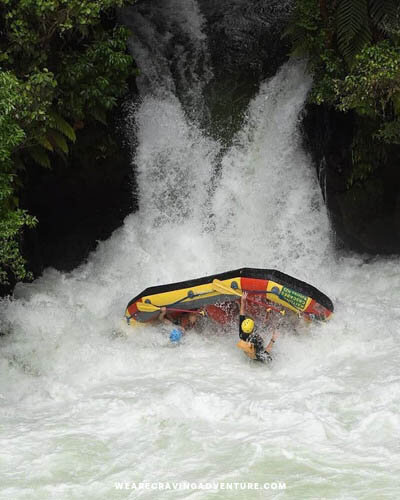

9. New Zealand’s ACC scheme doesn’t replace travel insurance
One particularly interesting thing about New Zealand is its Accident Compensation Corporation (ACC) scheme.
It provides cover for qualifying accidental injuries sustained in New Zealand, including those suffered by international visitors.
Pretty awesome, right?
But this doesn’t mean you can skip travel insurance. ACC doesn’t cover things like illness, canceled flights, emergency transport back to your home country or ongoing treatment once you’ve returned home.
And considering how many adventurous activities you’ll probably be doing in New Zealand, it’s particularly important to check what your travel insurance actually covers.
Glacier heli-hiking, skiing, bungy jumping and other adventure activities can have specific policy conditions or exclusions.
Read the fine print before buying your insurance, especially if adventure sports are a big part of your New Zealand travel plans.
You can read more about ACC coverage for international visitors on its official website.
Tips for getting around New Zealand

10. Having your own wheels makes all the difference
New Zealand is made for road trips, and having your own vehicle is by far my favorite way to explore the country.
Public transport is reasonably useful in the bigger cities, and there are buses connecting major destinations, but so many of New Zealand’s most beautiful places are tucked away at the end of a little country road.
Having a car means you can stop whenever something catches your eye, explore places that organized tours don’t visit, and change your plans when the weather doesn’t cooperate.
For most New Zealand road trips, a normal compact or mid-sized car is perfectly adequate. You don’t necessarily need a big SUV or a four-wheel drive.
If you’re not comfortable driving a manual car, rent an automatic. Driving on the opposite side of the road is enough to get used to without throwing gear changes into the mix.
And here’s a rather annoying lesson I learned the hard way: bring your physical credit card!
I once turned up at a rental desk with my credit card on my phone but not the actual card. The rental company wouldn’t accept it, and I ended up paying extra to use my debit card instead.
Check your rental company’s payment and deposit requirements before leaving home.
I usually compare rental cars through DiscoverCars. I’ve also written a detailed guide to renting a car and driving in New Zealand, including insurance, rental restrictions and everything else you should know before booking.


11. Think twice before renting a campervan for a short trip
I absolutely love traveling New Zealand in a campervan. I spent about a year doing exactly that, and some of my favorite memories involve waking up somewhere beautiful, making coffee and having no particular plans for the day.
But if I were visiting New Zealand for less than two weeks, I’d rent a car and book accommodation instead.
Campervan travel comes with quite a bit of admin that nobody seems to include in those idyllic van-life Instagram reels.
You’ll need to empty your toilet, dispose of gray water, refill your freshwater tanks, find somewhere to sleep, cook and wash dishes in a rather confined space, and secure everything before you start driving again.
If you’re relying on free campsites, some of the most desirable ones fill up ridiculously early. You might find yourself cutting your sightseeing short and looking for somewhere to park at three in the afternoon.
And once you’re parked somewhere beautiful for the night, you’re probably not going to give up that spot just to drive into town for dinner.
Then there’s the driving itself. New Zealand has some incredibly narrow, winding roads, and maneuvering a large motorhome around them can be considerably more tiring than driving a car.
Some rental companies prohibit certain vehicles from using particular roads altogether. Skippers Canyon, the Crown Range, parts of the Coromandel and even the road to Milford Sound for certain larger motorhomes are examples of restrictions you might encounter.
Check the rental agreement against your itinerary before booking. Restrictions vary considerably between rental companies and vehicle types.
And campervans in cities? A proper pain in the ass. Finding somewhere to park a large motorhome in central Auckland, Wellington or Queenstown isn’t how I’d choose to spend my holiday.
| Rental car + accommodation | Campervan | |
|---|---|---|
| Short trips | My preference | Daily chores take up valuable time |
| Driving | Easier on narrow roads | Larger vehicles can be tiring to drive |
| Parking | Generally easier | Can be difficult in cities |
| Overnight costs | Hotels, motels or apartments | Holiday parks, campsites and permitted freedom camping |
| Meals | Flexible, especially with a kitchenette | Often self-catering |
| Best for | Sightseeing-intensive road trips | Slow, flexible travel |
For a two- or three-week holiday, really think about what kind of trip you want.
If you’re happy to spend longer somewhere you love, miss out on a few other places, and make time for the practicalities of van life, a campervan can be absolutely fabulous.
But if you’ve got a long list of things you want to see and limited time to see them, a rental car and accommodation will generally be much more practical.
And don’t automatically assume that a campervan is cheaper. Compare the total cost of renting, insurance, fuel, campsite fees and any additional charges against a rental car and accommodation.

12. Freedom camping isn’t quite as free as you might think
New Zealand caters incredibly well to camping and campervan travelers, but the days of simply parking wherever you fancy are long gone.
Freedom camping is permitted in certain areas, while other locations restrict it to certified self-contained vehicles or prohibit it altogether.
As of June 7, 2026, the old blue self-containment stickers are no longer valid. Vehicles need a green self-containment warrant to stay in areas reserved for certified self-contained vehicles, and a portable toilet no longer meets the certification requirements.
If you’re renting a campervan specifically because you want to freedom camp, make sure the vehicle has the appropriate certification.
There are also local restrictions on where you can stay, how many nights you can spend in one place, and sometimes how many vehicles are allowed.
I used CamperMate extensively while traveling New Zealand in a campervan. It’s useful for finding campsites, dump stations, public toilets and water refill points. Just remember to check the actual signs and local regulations when you arrive rather than relying entirely on an app.
Budget for some paid campsites and holiday parks as well. A long, hot shower and a proper laundry session occasionally become the most exciting things in your life when you’re living in a van!
For current regulations, see the New Zealand government’s freedom camping guidance and the Department of Conservation’s camping rules.

13. New Zealand driving distances are deceptive
When planning your New Zealand road trip, forget what you know about driving distances in Europe or North America.
Outside the major cities, there aren’t many of the big multi-lane motorways you might be used to.
Instead, even major state highways often have just one lane in each direction, with bends, steep hills, mountain passes and occasional gravel sections elsewhere on the road network.
And then there are the countless unplanned stops you’ll make because every five minutes the scenery somehow gets even better.
If you’re unfamiliar with narrow mountain roads or haven’t driven on the left before, give yourself even more time to get comfortable.
Try not to plan several hours of driving followed by a full day of sightseeing. It might look perfectly manageable on Google Maps, but driving these roads requires considerably more concentration than cruising down a motorway.
I’d also avoid collecting your rental car immediately after a long-haul flight and embarking on a big drive. Give yourself a chance to get some sleep first.

14. Drive at your own pace, but for the love of God, let people pass!
Having lived in New Zealand, this is one of my biggest pet peeves when it comes to tourist drivers.
There’s absolutely nothing wrong with driving slowly if the road conditions require it or you’re not comfortable going faster.
But if there are ten cars behind you, please let them pass!
New Zealand’s roads are often so winding that safe overtaking opportunities are few and far between. And nothing is more frustrating than finally reaching a straight section of road, only for the slow vehicle in front of you to suddenly accelerate.
Use designated slow-vehicle bays or suitable pull-offs to allow following traffic to pass safely.
It’s also part of the New Zealand Road Code. Drivers traveling below the speed limit with traffic behind them must keep left and pull over when it’s safe to do so.
You get to enjoy the scenery and drive at a comfortable pace, and the locals get to wherever they’re going without losing their minds. Everybody wins!

15. One-lane bridges are a thing
New Zealand has loads of one-lane bridges, and the first few can be a little confusing if you’ve never encountered them before.
There will be signs indicating which direction has priority.
A red-bordered circular sign means you need to give way to oncoming traffic. A blue rectangular sign with a large white arrow indicates that traffic traveling in your direction has priority.
Even if you have priority, let any vehicles already on the bridge get across before you enter.
A few other things to know about driving in New Zealand:
- Drive on the left, especially when pulling back onto an empty road after a sightseeing stop.
- Treat the posted speed limit as a maximum, not a target.
- Don’t cut corners on narrow roads.
- Check your rental company’s restrictions before driving on gravel roads or beaches.
- If your driver’s license isn’t in English, you’ll generally need an international driving permit or an accepted translation alongside your original license.
Visitors arriving from November 1, 2026, can generally drive on a valid overseas car license for up to 12 months, provided they meet the applicable requirements.
I’ve covered all of this in much greater detail in my New Zealand driving and car rental guide.

16. Don’t leave refueling until the last minute
Once you get away from the bigger towns, there can be a whole lot of nothing between one place and the next.
That’s particularly true around parts of the West Coast, Fiordland and the central South Island.
Don’t assume there’ll be a petrol station at the next junction just because that’s what you’re used to at home.
I’ve watched my fuel gauge drop to a rather uncomfortable level in the middle of nowhere, and I wouldn’t recommend adding that particular adventure to your New Zealand bucket list.
Fuel prices also vary quite a bit between destinations. In my experience, Taupō was a good place to fill up, while buying fuel around Mount Cook was particularly painful.
Gaspy is a useful app for comparing fuel prices, but the most important thing is simply to fill up before heading into a remote area.
The same goes for groceries. If you’re staying somewhere isolated, check whether there’s actually a supermarket nearby before you arrive.

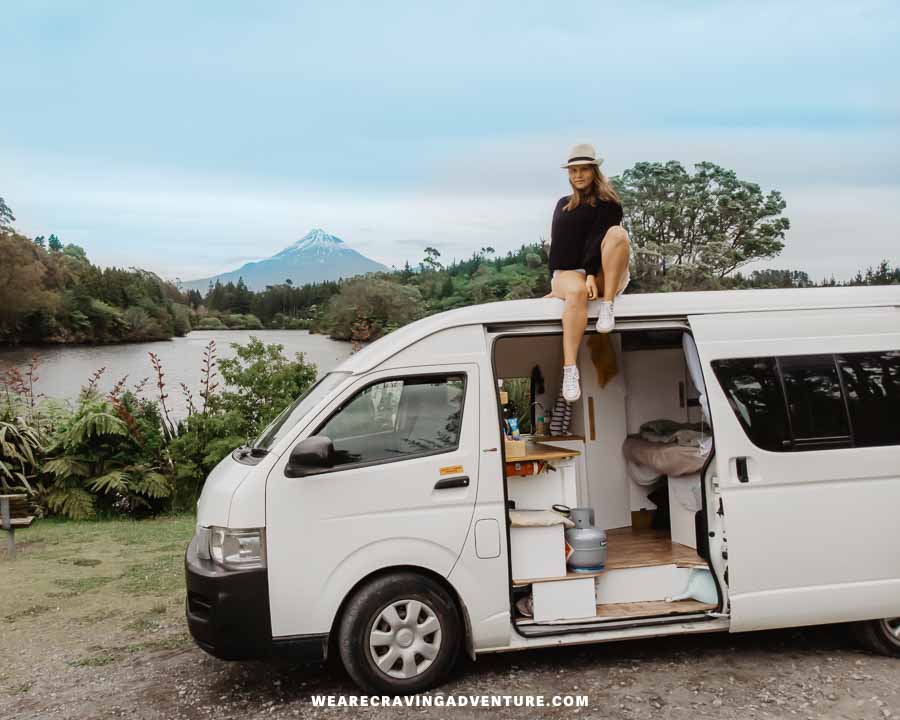
17. Take the scenic route whenever you can
In New Zealand, the best way to get somewhere is often the long way around.
Some of the most spectacular places I’ve found were at the end of a winding little road that I’d turned onto without any idea where it would take me.
We actually made a game of it. Sometimes the road led to absolutely nothing, but more often than not, we discovered another beautiful corner of the country.
That doesn’t mean you should blindly follow every gravel track you come across. Respect private property, road closures and your rental agreement.
But where you have a choice between the fastest route and a more scenic one, take the scenic route.
Some of my favorites include the drive from Queenstown to Glenorchy, the road into Milford Sound, the West Coast and the incredible stretch alongside Lake Pukaki toward Aoraki/Mount Cook.
I’ve incorporated many of my favorite scenic drives and little detours into my North Island and South Island road trip itineraries.
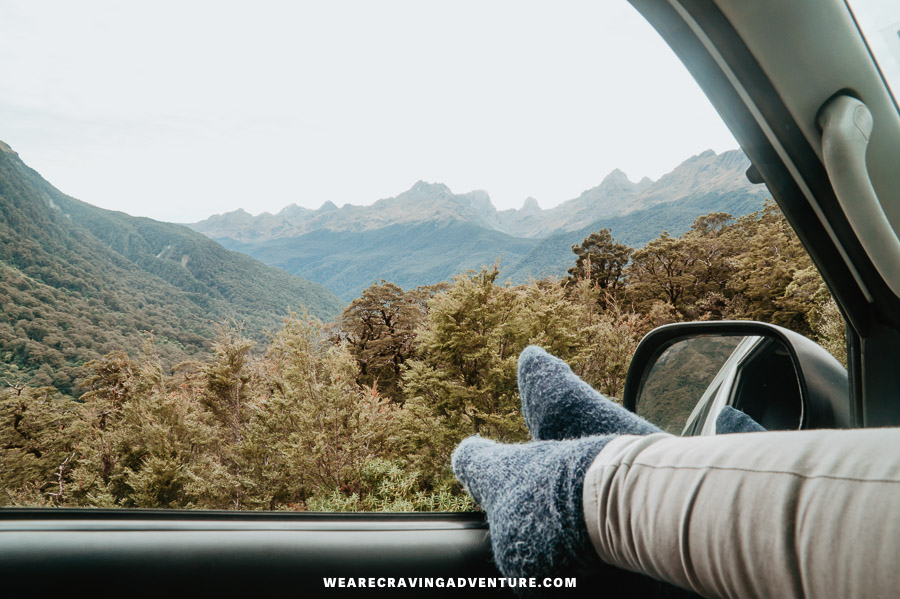

18. Download offline maps before heading somewhere remote
When I first lived in New Zealand, the internet was considerably less impressive than what I was used to in Europe.
Things have changed a lot since then, and internet speeds in cities and larger towns are generally perfectly good.
Mobile reception, on the other hand, can still disappear rather spectacularly when you venture into the wilderness.
I’ve driven through some beautiful stretches of New Zealand where having a phone was about as useful for communicating with the outside world as having a potato.
Download offline maps before your trip. Google Maps and other navigation apps offer offline mapping, and it’s worth saving your entire planned route rather than just the area around your next hotel.
I would also save copies of booking confirmations, campsite information and any important travel documents.
A local SIM card or an eSIM is useful, but neither will magically give you reception everywhere. Check the network’s coverage map if you’re planning to spend a lot of time in remote areas.
And download your road trip playlists while you’re at it!

READ NEXT:
Auckland to Wellington Road Trip
The best stops, two scenic routes, realistic itineraries and where to stay

New Zealand travel tips for enjoying the outdoors


19. You’ll experience four seasons in one day
New Zealand is windy, the weather can change incredibly quickly, and even in the middle of summer, evenings can get surprisingly cold.
You might wake up to glorious sunshine, get caught in a downpour halfway through your hike, and finish the afternoon somewhere that feels suspiciously like winter.
The weather can also vary dramatically between different sides of a mountain range. A sunny morning in one town doesn’t necessarily tell you much about what you’ll encounter two hours down the road.
And if you’re heading to Wellington, there’s a good reason they call it Windy Welly!
Pack layers, a proper waterproof jacket and something warm, regardless of the season.
I would keep these easily accessible in the car instead of packing them underneath all your other luggage. A beautiful sunny day can turn into a very windy, soggy affair before you’ve finished your first coffee.


20. Never underestimate the New Zealand sun
When I first arrived in New Zealand on a cold, gloomy November day, I managed to get sunburned within a matter of hours.
I wasn’t even particularly warm!
UV levels in New Zealand can be exceptionally high, particularly during late spring and summer. Lower ozone levels, relatively clean air and the Earth’s position during the Southern Hemisphere summer all contribute.
And while cloud cover can reduce UV exposure, it doesn’t necessarily reduce it enough to prevent sunburn.
Bring good broad-spectrum sunscreen, sunglasses and a hat, and reapply sunscreen regularly when you’re spending the day outdoors.
Rather than judging the strength of the sun by how warm it feels outside, check the UV index. Sun protection is particularly important when it reaches 3 or above.
Even if you’re skiing, hiking somewhere chilly or enjoying a cloudy day by the lake, don’t underestimate it.


21. Sandflies are a pain in the ass
One of the fabulous things about New Zealand is that you can wander through the bush without worrying about encountering snakes, bears or most of the other terrifying creatures found elsewhere in the world.
Unfortunately, New Zealand makes up for that with an abundance of one of the most annoying little creatures I’ve ever encountered.
The bloody sandfly.
They’re tiny, persistent, and their bites itch like nothing else. In places like Fiordland, the West Coast and around some lakes and rivers, they can make sitting outside considerably less enjoyable.
During my first year in New Zealand, I would tuck my trousers into my socks and occasionally wear two pairs of jeans on top of each other because I felt like the little bloodsuckers were somehow getting through the first pair.
I once met a girl in Fiordland who’d resorted to wearing a beekeeper’s mask whenever she ventured outside. At the time, that seemed quite reasonable to me.
And then there was a particularly memorable breakfast at a remote lake near Mount Cook.
The sandflies were so bad that I ended up standing knee-deep in freezing water, eating my breakfast quite a distance from the shore. Apparently, not being able to feel my toes was preferable to being eaten alive.
A few years later, I went on a hike with a Kiwi friend. We stopped for lunch at a beautiful viewpoint, and I was having a thoroughly lovely time enjoying the scenery.
Eventually, he announced that the sandflies were eating him alive and he couldn’t stand it anymore.
I hadn’t even noticed them.
That was the moment I realized I’d become a little bit Kiwi myself.
Anyway, until you’ve acquired that particular superpower, bring insect repellent containing DEET or picaridin, wear long sleeves and trousers where sandflies are particularly bad, and tuck your trousers into your socks if necessary.
It won’t be your most fashionable New Zealand outfit, but trust me, you’ll stop caring.

READ NEXT:
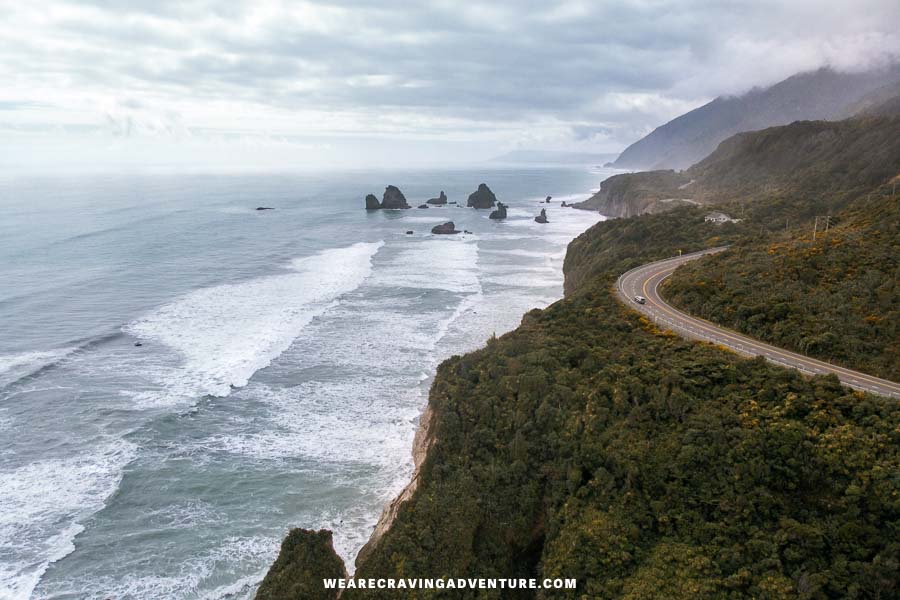
Explore waterfalls, rugged coastlines and wildlife in The Catlins

22. Make time for New Zealand’s incredible wildlife
I never thought I’d get particularly excited about birdwatching, but New Zealand changed that.
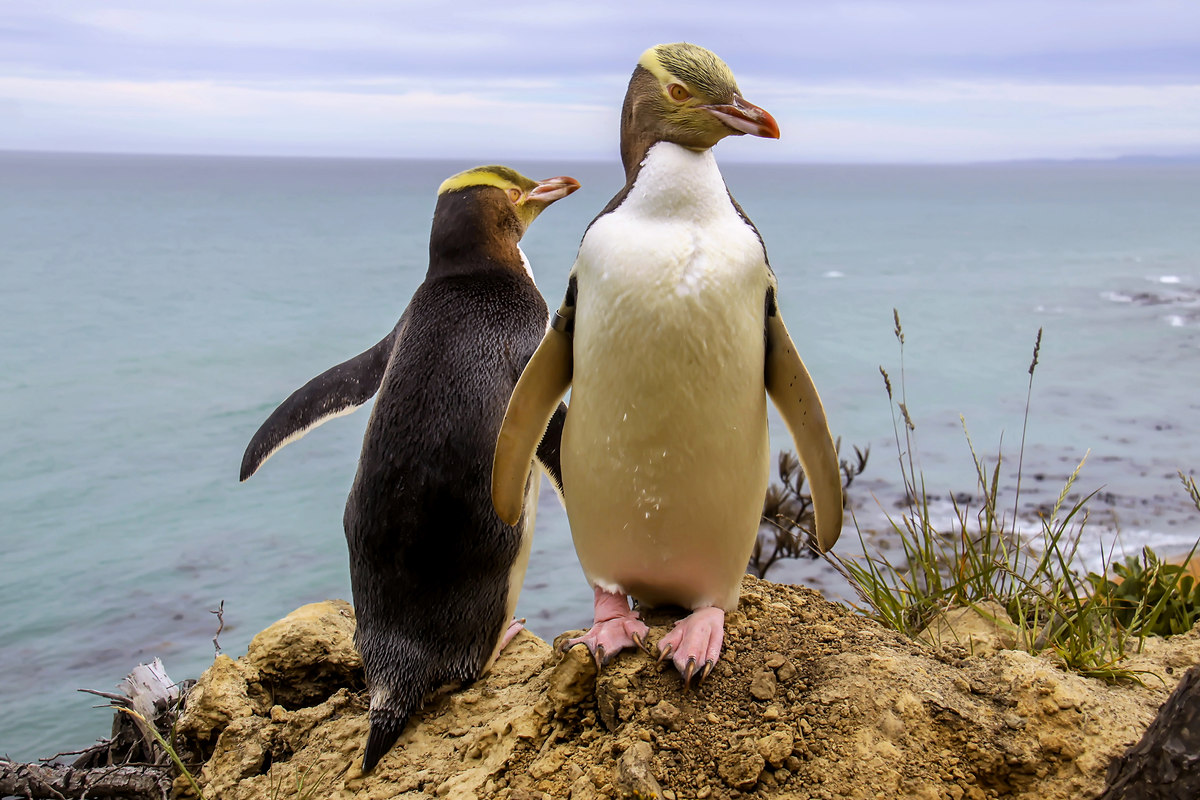
Watching enormous albatrosses glide overhead, seeing little blue penguins waddle out of the water, and actually encountering kiwi birds in the wild are some pretty special experiences.
Then there’s the marine wildlife.
I’ve been in the water with dolphins and stingrays, seen whales and sharks, and encountered loads of New Zealand’s wonderful, rather entertaining birds.
If wildlife is something you’re interested in, I’d build a few destinations into your itinerary specifically for it.
Kaikōura is particularly good for marine wildlife. Stewart Island is an excellent place to look for kiwi birds, and the Otago Peninsula is well worth exploring for albatrosses, penguins and seals.
Wildlife experiences I’d consider:
- Whale watching in Kaikōura
- A guided kiwi-spotting experience on Stewart Island
- Visiting the Royal Albatross Centre on the Otago Peninsula
New Zealand’s wildlife is wild, though. Sightings aren’t guaranteed, and if you encounter seals or sea lions on a beach, give them plenty of space and don’t get between them and the water.
And whatever you do, don’t feed the kea. They’re rather clever little thieves who are perfectly capable of getting into enough trouble without your help.

READ NEXT:
Where to See Wildlife in New Zealand
Find the best free places to see wildlife in New Zealand


23. Check hiking conditions and respect conservation restrictions
New Zealand has some of the best hikes in the world, and one of my favorite things about the country is how accessible many of its incredible landscapes are.
But a hike that looks straightforward in summer can be a very different undertaking in winter.
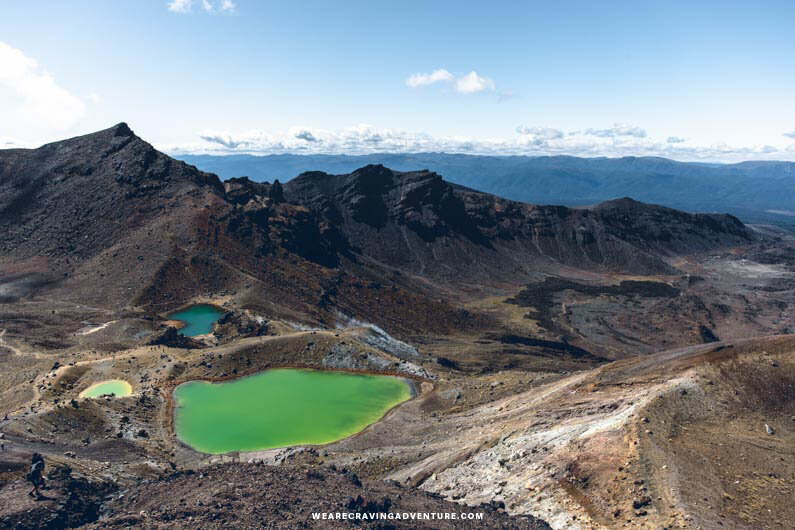
The Tongariro Alpine Crossing, for example, is an absolutely spectacular day hike, but winter conditions can turn it into a serious alpine adventure requiring specialist equipment and skills.
Check the weather forecast, current track conditions and any access restrictions before heading out, especially for longer alpine hikes.
The Department of Conservation (DOC) is the best starting point for current track information.
If you’re planning to hike one of New Zealand’s Great Walks and stay in huts or campsites, look into the booking requirements well in advance.
You’ll also encounter shoe-cleaning stations in some conservation areas, particularly where there’s a risk of spreading kauri dieback disease. Use them, and respect any track closures.
The same applies to equipment used in lakes and rivers. New Zealand’s Check, Clean, Dry program helps prevent invasive freshwater pests from spreading between waterways.
It’s hardly a massive inconvenience, and preserving these incredible landscapes is well worth the little extra effort.

24. Don’t forget to look up at night
Even if you’re not particularly interested in astronomy, make a point of looking up at the night sky when you’re somewhere away from the cities.
The Milky Way looks absolutely spectacular in New Zealand.
Some of my favorite evenings were simply spent somewhere remote, looking up at the stars with no artificial light around me.
The Aoraki Mackenzie International Dark Sky Reserve around Lake Tekapo and Mount Cook is particularly well known for its night skies.
You can enjoy the stars independently, but if you want to see more through telescopes and learn about the Southern Hemisphere’s night sky, I’d consider this guided stargazing experience at Cowan’s Observatory.
And if you’re particularly lucky, you might even see the Aurora Australis, the Southern Lights.
Clear skies, dark surroundings and suitable solar activity all need to line up for an aurora sighting, so don’t plan an entire trip around the expectation of seeing one.
Bring something warm, though. Standing outside in the middle of the night beside a glacial lake gets cold rather quickly!
READ NEXT:
Aoraki/Mount Cook Travel Guide
Plan your time in Mount Cook, from scenic stops and short walks to the best hikes
READ NEXT:
Explore one of New Zealand’s wildest and most remote islands
New Zealand travel tips for food, money and Kiwi culture

25. Embrace the brunch culture, coffee and savory pies
One of the things I miss most about New Zealand is its brunch culture.
Smashed avocado on toast, eggs Benedict, enormous pancake stacks and really good coffee. You’ll find lovely little cafés in some surprisingly small towns.
If you’re going to eat out once a day, brunch would often be my choice.
And then there are the pies. I’m talking about savory pies filled with steak and cheese, mince, mushrooms or other delicious things. They’re relatively inexpensive, filling and perfect for a quick road trip lunch.
For the rest of your meals, you can save quite a bit of money by cooking yourself.
When booking accommodation, look for motels or apartments with kitchen facilities. New Zealand has plenty of self-contained accommodation, and having somewhere to prepare breakfast, dinner and the following day’s packed lunch is incredibly convenient.
Pak’nSave is generally a good supermarket to check if you’re trying to keep grocery costs down, especially before heading somewhere more remote.

26. Pay at the counter and don’t worry about tipping
In many countries, you finish your meal, ask for the bill and wait for someone to bring it to your table.
In New Zealand, you’ll often just get up, walk over to the counter and pay on your way out.
The first few times, this can feel a little like you’re attempting to leave without paying.
Many casual cafés and restaurants also have a self-service station where you can help yourself to drinking water.
And if you’re visiting from the US, here’s something you’ll probably appreciate: tipping isn’t expected in New Zealand. You’re welcome to tip for exceptional service, but there’s no obligation to do so.
Card payments are widely accepted, although I’d carry a little cash for the occasional remote campsite, roadside honesty box or small business.
Remember that your rental car company may have different card requirements from those of everyday shops and restaurants.

27. Get familiar with Māori pronunciation, Kiwi slang and local quirks
When I first arrived in New Zealand and people started telling me about places like Whitianga and Whangārei, I had absolutely no idea what they were talking about.
I’d seen those names on a map, but what I was hearing sounded completely different.
That’s because the combination of letters wh in te reo Māori is commonly pronounced rather like an English f, although pronunciation varies between regional dialects.
The lines above some vowels, known as macrons, indicate longer vowel sounds.
It’s worth learning a little about Māori pronunciation before traveling around New Zealand. You’ll encounter Māori place names everywhere, and making an effort to pronounce them correctly is both useful and respectful.
I’d also highly recommend making time to learn about Māori culture itself. A cultural evening at Te Pā Tū in Rotorua is one of the experiences I’d prioritize on the North Island.
If you encounter a marae, a traditional Māori meeting place, don’t simply wander inside. Wait for an invitation and follow the guidance of your hosts.
A few useful Kiwi expressions
Even though English is the predominant language in New Zealand, there are a few words and expressions that might leave you slightly confused.
| Kiwi expression | Meaning |
|---|---|
| Kia ora | A Māori greeting, also used to express thanks |
| Jandals | Flip-flops |
| Dairy | A small convenience store |
| Chilly bin | Cooler box |
| Togs | Swimwear |
| Bach or crib | Holiday home |
| Tramping | Hiking |
| Sweet as | Great, no worries, all good |
| Yeah, nah | Usually a polite or hesitant no |
And if someone tells you to bring your togs when you’re going tramping, they’re probably suggesting there’s somewhere nice to swim along the way.
One other thing that surprised me when I first moved to New Zealand was how often people went barefoot.
In the supermarket, walking around town, and sometimes even out hiking. It took a little getting used to, but eventually it stopped looking particularly unusual to me.
Kiwis are also some of the friendliest people I’ve encountered. People will often stop for a chat and take a genuine interest in your travel plans.
Make time for those conversations. You might just get a recommendation for somewhere that wasn’t on your itinerary and end up discovering another of your favorite places in New Zealand.

READ NEXT:
Best Māori Villages & Cultural Experiences in Rotorua
Compare Rotorua’s Māori cultural experiences and choose the one that’s right for you
Planning a trip to New Zealand?
After six years of living in New Zealand, I still don’t feel like I’ve run out of reasons to go back.
If I could give you just one piece of New Zealand travel advice, it would be to give yourself enough time to actually enjoy the country. Book the experiences you really care about, but leave a little room for everything else.
And don’t forget your insect repellent!
Start with my New Zealand travel guide, where you’ll find my destination guides and practical advice for planning your trip.
Read Next
North Island itineraries:
7-day North Island itinerary
2- and 3-week North Island road trip
Auckland & Rotorua:
Auckland itinerary
Where to stay in Auckland
Best day trips from Auckland
Rotorua itinerary
Where to stay in Rotorua
Best geothermal parks in Rotorua
Māori cultural experiences in Rotorua
Planning your New Zealand trip:
Renting a car and driving in New Zealand
New Zealand packing list
NZ: The Good, the Bad and the Ugly
South Island itineraries:
10-day South Island itinerary
2- and 3-week South Island road trip
Queenstown & Milford Sound:
Where to stay in Queenstown
Visiting Milford Sound from Queenstown
Best Milford Sound cruises
Where to stay in Milford Sound
Te Anau to Milford Sound scenic drive
Glaciers & wildlife:
Franz Josef Glacier heli-hike
Where to stay in Franz Josef
Best places to see wildlife in New Zealand
Reliable travel insurance
Good travel insurance is an absolute must when traveling abroad, and I’ve learned that the hard way!
Now I always get insured before I leave and Travel Insurance Masters is my go-to platform to find the best insurance options for the specific trip.
The TIM platform works as a search engine and suggests the best insurance company and insurance plan for your criteria so you don’t end up paying more for things you don’t need! It also takes into account your age, nationality, destination etc. which can greatly impact the final price.
You can get your quote & provider recommendations here.
