This site uses affiliates. Thank you for buying through our links and supporting this blog.

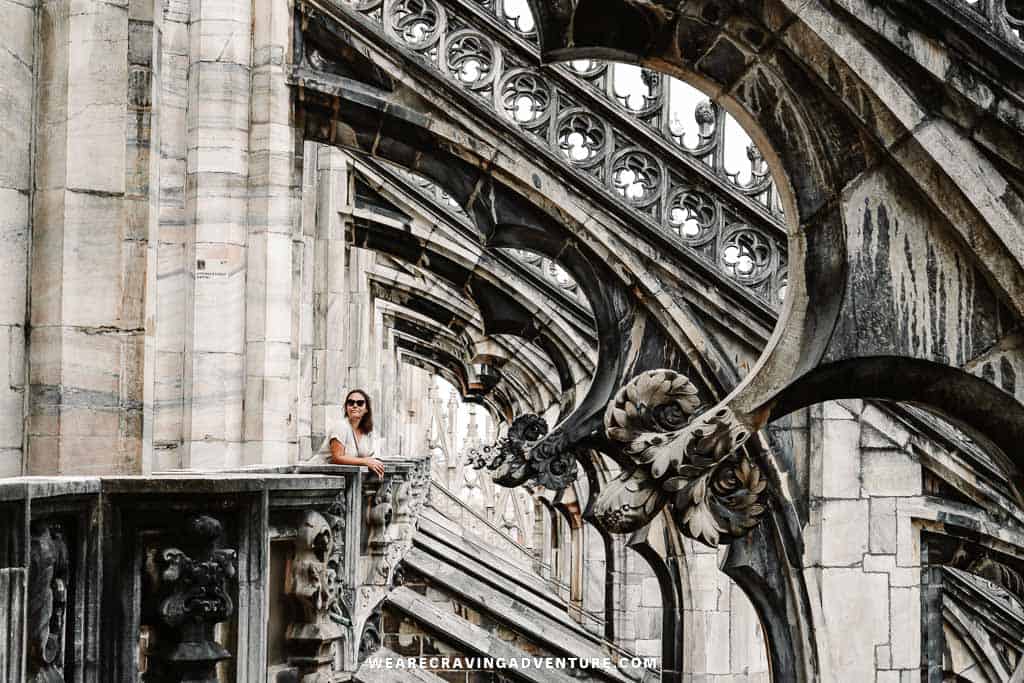
Milan Itinerary: How to Spend 2, 3, 4 or 5 Days in Milan

Milan is one of those cities I had to grow into. I first considered moving here after high school to study at the Polytechnic, and I visited a few times while trying to figure out if that version of my life made sense. It did not, apparently. But Milan stuck with me anyway.
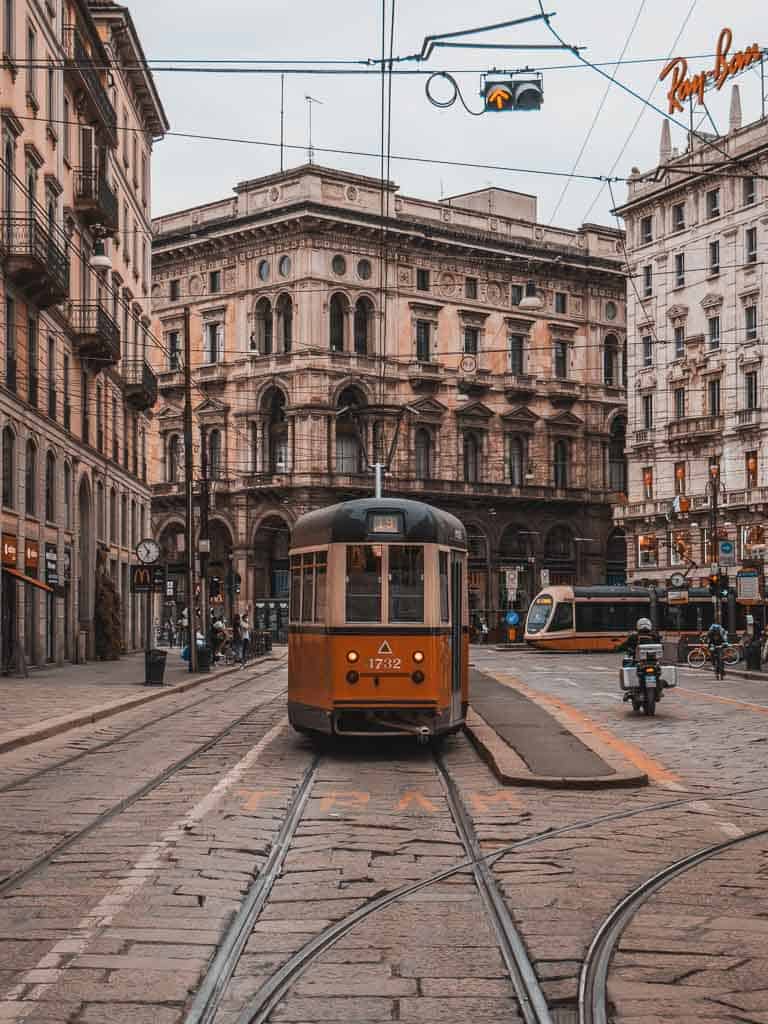
What I like about Milan is that it is old and new, polished and gritty, artistic and commercial, elegant and chaotic. You get Leonardo da Vinci, Gothic architecture, sleek fashion houses, contemporary skyscrapers, historic trams, tiny cafés, excellent restaurants, late aperitivo, and locals who still very much live in the city center rather than leaving it as a tourist museum.
The trick with Milan is not to rush through it too much. Yes, you should see the Duomo, The Last Supper, Brera, Sforzesco Castle, Navigli… But Milan gets better when you leave space for coffee, aperitivo, people-watching, window-shopping, getting mildly distracted by architecture, and sitting at a bar with drink in hand.
This Milan itinerary is built around that balance: the famous sights that are genuinely worth your time, the neighborhoods that make the city feel alive, and the day trips that make Milan one of the best bases in northern Italy. It is not designed to help you tick off every possible attraction. It is designed to help you plan a trip that actually feels good on the ground.
In a hurry?
Book your Milan essentials!
Milan is easy to explore independently, but a few experiences are worth booking ahead, especially the Duomo rooftop, Leonardo da Vinci’s Last Supper, Lake Como, and the Bernina Red Train.
Milan walking tour with The Last Supper
Duomo and rooftop guided tour
Lake Como and Bellagio day trip
Bernina Red Train and St. Moritz day trip
The Last Supper guided tour
Stay at: Casa Brera
How many days in Milan?
Two or three days in Milan is the sweet spot for most first-time visitors. That gives you enough time to see the major sights, enjoy the city’s food and aperitivo culture, and understand why Milan is more than just Italy’s fashion and business capital.
Two days in Milan is enough for a compact city break. You can see the Duomo and rooftop, Galleria Vittorio Emanuele II, Sforzesco Castle, Brera, Santa Maria delle Grazie and The Last Supper, Porta Nuova, Bosco Verticale, Monumental Cemetery, Chinatown, and Navigli without the trip feeling too thin.
Three days in Milan is better if you want to add a day trip. Milan has excellent train connections, and this is where the city becomes especially useful as a northern Italy base. Lake Como is the obvious classic, but the Bernina Red Train, Verona and Lake Garda, Bologna, Venice, Cinque Terre, and Portofino can also work depending on the season and your travel style.
Four days in Milan is ideal if you want both relax in the city and one bigger day trip without squeezing everything too tightly. I would spend two days on Milan itself, one day on Lake Como, and then choose between the Bernina Express and St. Moritz or a slower extra day in Milan with art, San Bernardino alle Ossa, spa time, shopping, food, and more wandering.
Five days in Milan makes the most sense if you want to use the city as a base. Milan itself does not need five packed sightseeing days, but five days works well if you want the city, Lake Como, the Bernina Red Train, and enough breathing room for museums, aperitivo, shopping, and a less rushed pace.
| Time in Milan | Best for | Main focus |
|---|---|---|
| 1 day in Milan | Passing through | Follow my separate one day in Milan routes. |
| 2 days in Milan | Best quick city break | Classic Milan sights, The Last Supper, Brera, modern Milan, Chinatown, and Navigli |
| 3 days in Milan | City + one day trip | Two days in Milan plus Lake Como, Bernina, Verona and Lake Garda, Bologna, or another day trip of choice |
| 4 days in Milan | Best balanced trip | Classic Milan sights, The Last Supper, Brera, modern Milan, Chinatown, Navigli, Lake Como, then Bernina Express or more time in Milan |
| 5 days in Milan | Milan as a base | Milan sightseeing days, Lake Como, an art/spa/shopping day, and Bernina Express or another major day trip |
Milan Itinerary Overview – 2, 3, 4 and 5 Days in Milan
This Milan itinerary is built for travelers who want a realistic route through the city. Milan is easy to move around by metro, tram, and on foot, but the city works best when you group sights properly instead of zigzagging across town all day.
The first day focuses on the Milan most people come to see first: Leonardo da Vinci’s Last Supper, Sforzesco Castle, Sempione Park, Arco della Pace, Piazza Mercanti, the Duomo, Galleria Vittorio Emanuele II, and Brera.
The second day moves into a different side of the city, with La Scala, Porta Nuova, Bosco Verticale, Monumental Cemetery, Via Paolo Sarpi, galleries or museums, and aperitivo in Navigli.
With three days in Milan, use the third day for a day trip. Milan is one of the best bases in northern Italy, and the extra day usually pays off more if you leave the city for Lake Como, the Bernina Red Train, Verona and Lake Garda, Bologna, Venice, Cinque Terre, or Portofino.
With four days, add a slower extra day in Milan or a second day trip. With five days, you get the most complete version: two full sightseeing days in Milan, Lake Como, a slower art-and-spa day in the city, and a bigger mountain day trip on the Bernina Red Train.
Planning Your Milan Itinerary? Book These First
You do not need to book every minute of your Milan itinerary, but there are a few experiences I would not leave too late. The Duomo rooftop is one of the best things to do in Milan, and The Last Supper is the kind of sight where timing matters.
These are the Milan experiences I would book first:
Milan walking tour with The Last Supper
Best if you want the Duomo area, city highlights, and Leonardo da Vinci’s Last Supper in one efficient guided experience.Duomo and rooftop guided tour
Best for seeing Milan’s most iconic landmark properly, including the cathedral interior and rooftop terraces.The Last Supper guided tour
Best if you already have your Milan sightseeing planned and mainly need a timed way to see The Last Supper.Lake Como and Bellagio day trip
Best classic day trip from Milan if you want lake views, pretty towns, and a boat ride without planning all the transport yourself.Bernina Red Train and St. Moritz day trip
Best if you want a big mountain day, Swiss scenery, and one of the most memorable rail experiences you can do from Milan.Lake Como, St. Moritz and Bernina Red Train tour
Best if you are short on time and want to combine Lake Como and the Bernina route into one very full day.

Where to stay in Milan
If it is your first time in Milan, stay in the historic center or Brera. Stay or close to Milano Centrale if day trips are a major part of your itinerary.
The historic center is the easiest base for a short Milan itinerary because you are close to the Duomo, Galleria Vittorio Emanuele II, La Scala, Brera, restaurants, shops, and metro connections.
Brera is my favorite overall area if you want something central but with more atmosphere, especially in the evening. Milano Centrale is less romantic, but very practical if you are planning Lake Como, Bernina, Verona, Bologna, or other train day trips.
For the full breakdown of the best areas, neighborhood pros and cons, and more hotel recommendations, read my full guide to where to stay in Milan.

NEW LUXURY
A polished luxury hotel with design-led rooms, a rooftop pool, and a strong Brera / La Scala location. Best if you want Milan to feel stylish from the moment you leave the hotel.

BOUTIQUE CENTRAL
A colorful boutique hotel with stylish rooms and a very convenient location close to the Duomo and Galleria. Best if you want maximum sightseeing convenience without going full luxury.

LUXURY TRAIN BASE
A grand five-star hotel right by Milano Centrale. Best if you want comfort, luxury, and the easiest possible base for early train day trips to Lake Como, the Bernina route, Verona, Bologna, or beyond.

2 Days in Milan Itinerary
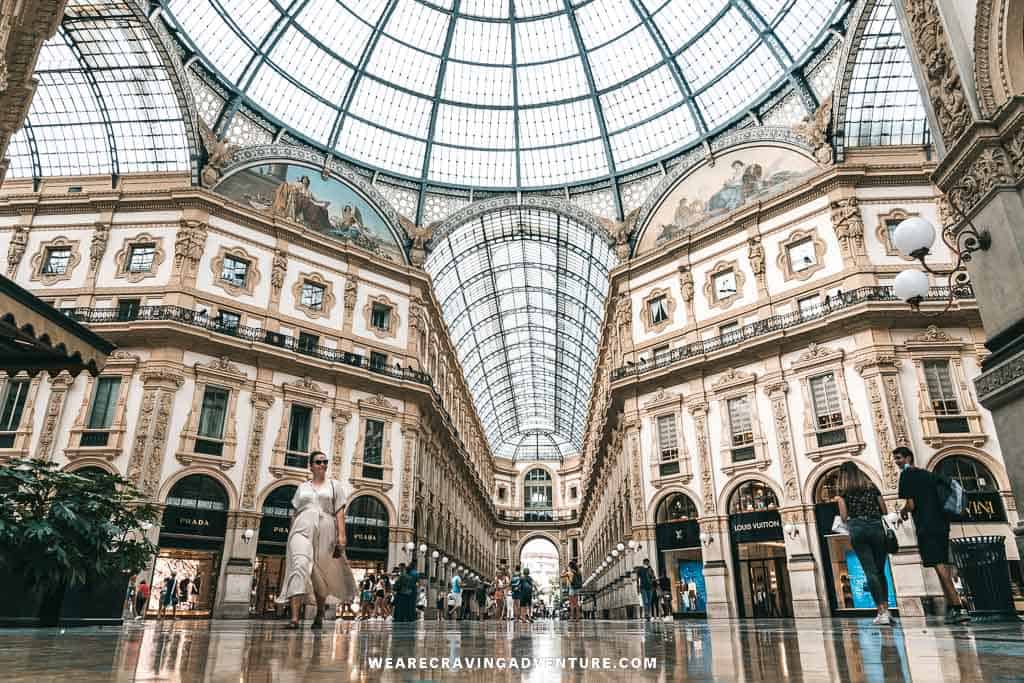
Two days in Milan is enough time to see the city’s main sights without rushing through every stop like you are trying to win a sightseeing endurance event. This itinerary keeps the original route practical: Day 1 focuses on the classic Milan highlights, while Day 2 brings in Leonardo da Vinci, contemporary Milan, Chinatown, Brera, and a proper Milan evening.
The route uses a mix of walking, metro, and tram. Milan is very easy to move around, but I would not try to walk every single stretch just to prove a point. Save your energy for the Duomo rooftop, aperitivo, and the important cultural work of choosing what pastry to order with coffee.
| Day | Plan |
|---|---|
| Day 1 | Arco della Pace, Sempione Park, Sforzesco Castle, Galleria Vittorio Emanuele II, lunch at Rinascente Rooftop, Duomo di Milano and rooftop, Piazza Mercanti, San Bernardino alle Ossa, and aperitivo in Navigli. If you want an easy evening plan, book this Navigli aperitivo walking tour. |
| Day 2 | Leonardo da Vinci’s Vineyard, Santa Maria delle Grazie and The Last Supper guided tour, Monumental Cemetery, Via Paolo Sarpi for lunch, Bosco Verticale, Quadrilatero della Moda, Teatro alla Scala, Pinacoteca di Brera, Brera district, and dinner in Brera. |
Book for 2 days in Milan:
Milan walking tour with The Last Supper
Duomo and rooftop guided tour
The Last Supper guided tour
Monumental Cemetery guided tour
Navigli aperitivo walking tour
Day 1 – The Unmissable Milan
Day 1 is all about Milan’s classic sights: arches, parks, castles, marble spires, old squares, strange churches, and aperitivo by the canals. It gives you the historic and architectural side of Milan first, then ends with the city doing what it does best: drinks, snacks, people-watching, and the feeling that everyone around you somehow knows how to dress better than you.
This route starts around Arco della Pace and ends in Navigli. You can walk large parts of it, but use the metro or tram when it makes sense, especially between the Duomo area and Navigli at the end of the day.
| Time | Plan |
|---|---|
| Morning | Start at Arco della Pace, walk through Sempione Park, and visit Sforzesco Castle. Then continue toward the historic center and Galleria Vittorio Emanuele II. |
| Coffee stop | Stop at Marchesi 1824 in Galleria Vittorio Emanuele II for espresso or cappuccino with a small pastry before heading to the Duomo. |
| Lunch | Have lunch or a drink at Rinascente Rooftop for easy food and close-up views of the Duomo spires. |
| Afternoon | Visit Duomo di Milano and the rooftop terraces, then walk to Piazza Mercanti and San Bernardino alle Ossa. |
| Optional art stop | If you can get the timing right, add Santa Maria delle Grazie and The Last Supper guided tour. Otherwise, save it for a longer Milan itinerary. |
| Gelato stop | Stop for gelato before the evening. If you are heading toward Navigli, Gelateria della Musica is a good pick for pistachio, hazelnut, or chocolate-based flavors. |
| Evening | End in Navigli for aperitivo along the canals. For an easy guided evening, book this Navigli aperitivo walking tour. |

Arco della Pace
Start your first day in Milan at Arco della Pace, the Arch of Peace. This white marble triumphal arch sits at the edge of Sempione Park and makes a grand, easy starting point for the day.
The arch was originally commissioned under Napoleon, and even though the political symbolism changed over time, the monument still has that very theatrical, empire-style energy. It is one of those places that feels bigger and more impressive in person than it does on a map.
I like starting here because it gives you a softer entry into Milan. Instead of beginning directly in the crowds around the Duomo, you start with space, greenery, and a long walk toward the castle. It also makes the day feel like it has a natural route instead of throwing you straight into the busiest part of the city.
If you want coffee before you start properly, stop at one of the cafés around Corso Sempione. Keep it simple with an espresso or cappuccino and a cornetto. This is not the dramatic Milan coffee stop of the day; that comes later. This is your functional “I am awake and ready to look at architecture” coffee.
Sempione Park
From Arco della Pace, walk through Sempione Park toward Sforzesco Castle. This is one of the largest and most popular green spaces in central Milan, and it is the perfect buffer between the grand arch and the castle.
The park is not just filler between two attractions. It gives you a glimpse of everyday Milan: locals walking dogs, people reading on benches, students hanging out on the grass, and the occasional dramatic Italian conversation happening at full volume because apparently indoor voices are optional outdoors.
Walk slowly here if the weather is good. The path toward the castle gives you some of the best approach views, and this is also a good moment to decide how museum-heavy you want the rest of the day to be. Milan rewards both styles: you can go deep into art and history, or you can keep moving and enjoy the atmosphere.
Sforzesco Castle
Sforzesco Castle was built in the 15th century by the powerful Sforza family. Over the years, it has been a military fortress, a royal residence, and one of the most important symbols of power in Milan.
Today, the castle is one of the best places to understand that Milan is not just fashion and finance. The courtyards alone are worth walking through, even if you do not visit the museums. The scale of the complex is impressive, and it gives you a very different version of Milan compared with the Duomo or Galleria.
If you have extra time, visit one of the castle museums. The complex includes several collections, including the Pinacoteca del Castello Sforzesco and the museum that houses Michelangelo’s unfinished Rondanini Pietà. If you only want the highlights, walk through the courtyards, admire the architecture, and keep moving toward the historic center.
Personally, I would not overdo the museums on a 2 day Milan itinerary. The castle is worth seeing, but this first day is already full. If you know you love art and historic collections, go inside. If not, the courtyards and exterior still make this stop worthwhile.
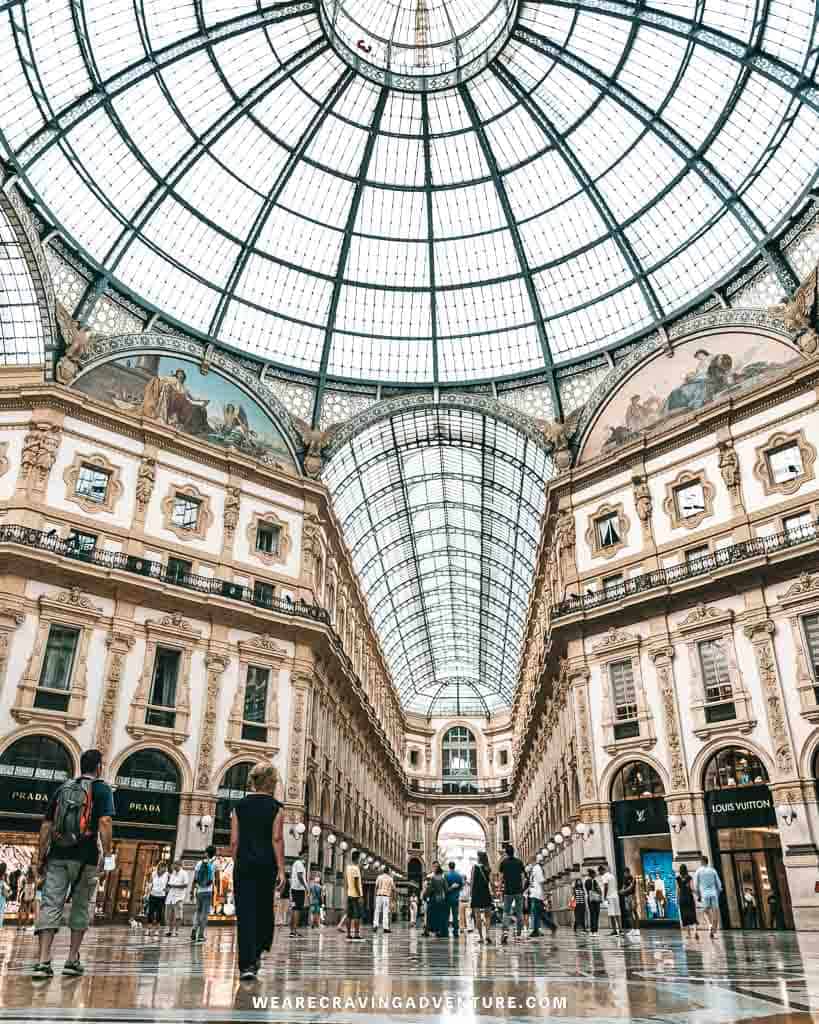
Galleria Vittorio Emanuele II
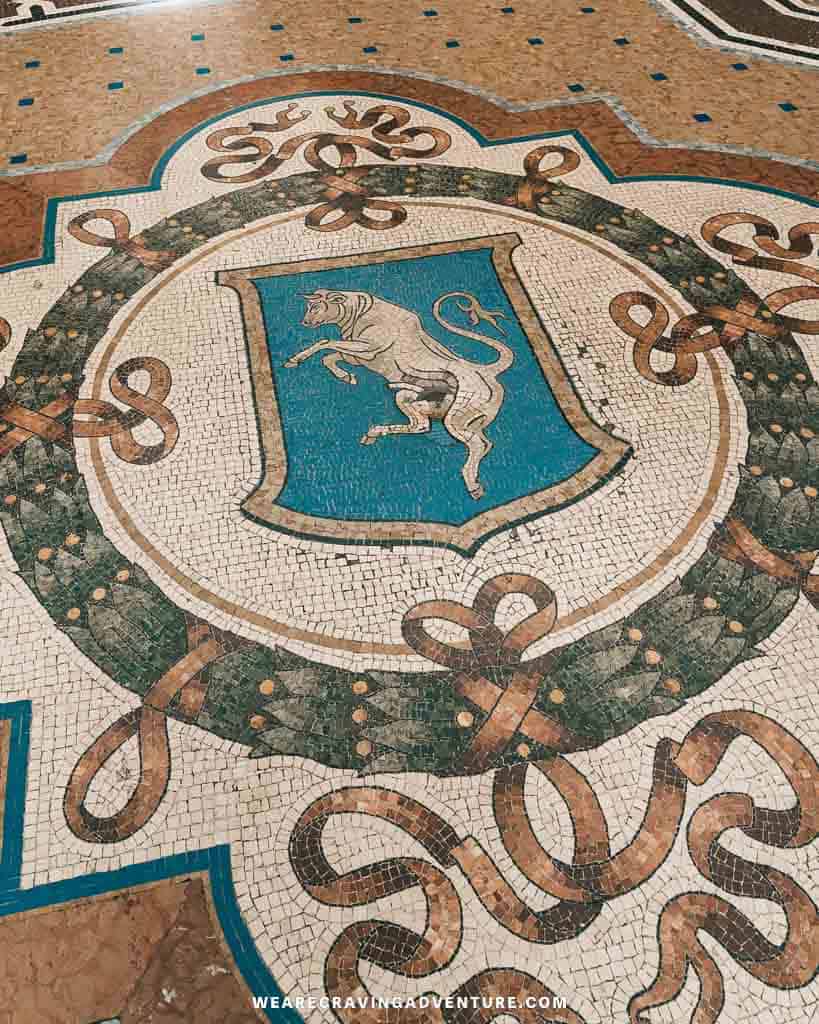
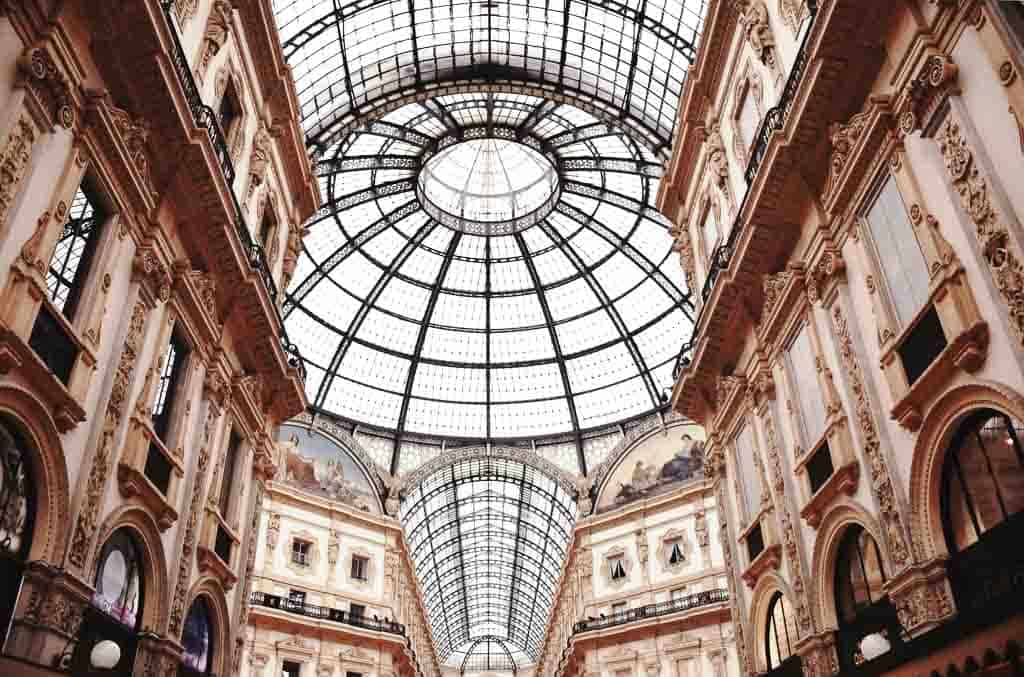
From Sforzesco Castle, make your way toward the historic center and Galleria Vittorio Emanuele II, one of Milan’s most famous landmarks. Built in the 19th century, this elegant shopping arcade is one of the oldest in Europe and connects Piazza del Duomo with Piazza della Scala.
The Galleria is full of designer stores and polished restaurants, but the building itself is the real reason to come here. Look up at the glass dome, the ironwork, the mosaics, and the symmetry. It is dramatic, expensive-looking, and very Milan.
Look down too. On the mosaic floor, you’ll find the famous bull of Turin. Tradition says that spinning on the bull’s private parts brings good luck, which is one of those travel rituals that somehow survives because people will do almost anything if you tell them it might bring fortune. You will probably see someone doing it. You may also do it. No judgment.
For a classic Milan coffee stop, go to Marchesi 1824 in the Galleria. It is polished, historic, and absolutely not the cheapest coffee in town, but it fits the setting perfectly. I would order an espresso or cappuccino with a small pastry, especially a cannoncino if they have it. It is the kind of stop that makes sense in Milan: elegant, slightly indulgent, and very good for people-watching.
Lunch at Rinascente Rooftop
For lunch, head to the rooftop level of Rinascente, the department store right by the Duomo. This is one of the easiest lunch stops in central Milan because you get food, convenience, and a view in one place.
The rooftop restaurants and food counters look directly toward the Duomo spires, so you can sit almost eye-to-eye with the cathedral’s marble details. It sounds like it should be outrageously fancy, but it is actually flexible. You can make it a proper lunch, or keep it simple with pizza, pasta, or a drink depending on your budget and hunger level.
I like this stop because it solves the classic central Milan lunch problem: you are hungry, you are near the most touristy square in the city, and you do not want to accidentally pay too much for something aggressively mediocre. Rinascente is not hidden or local, but it is practical, scenic, and easy.
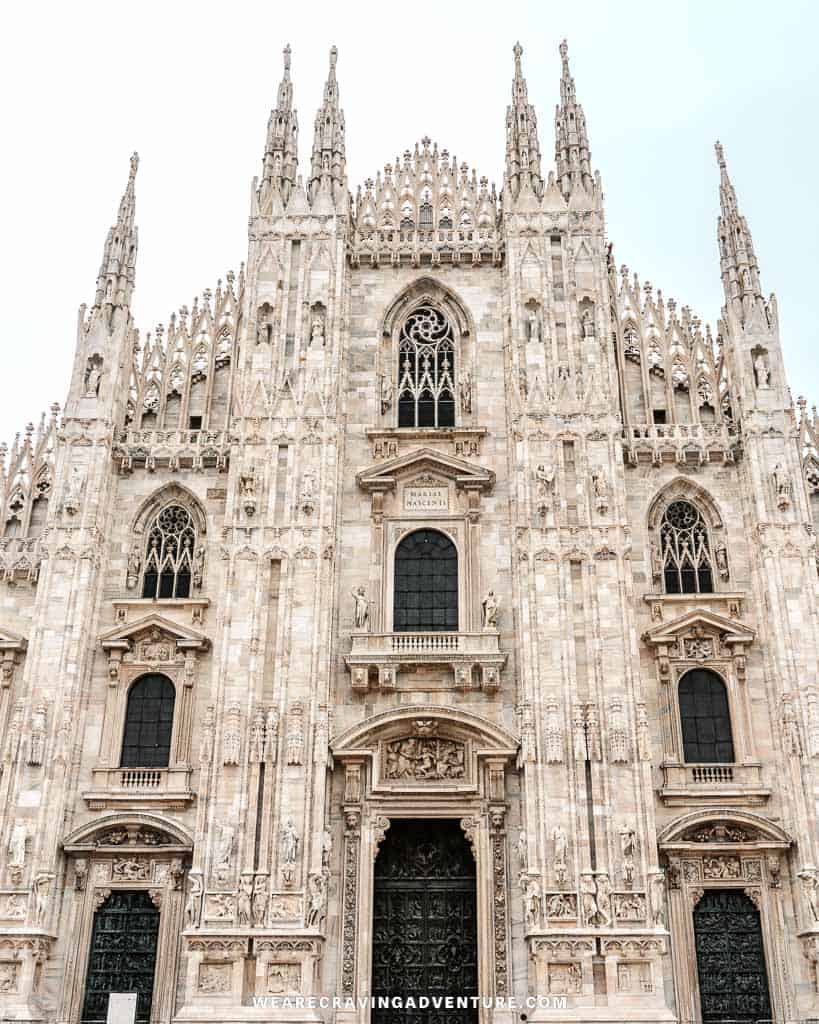
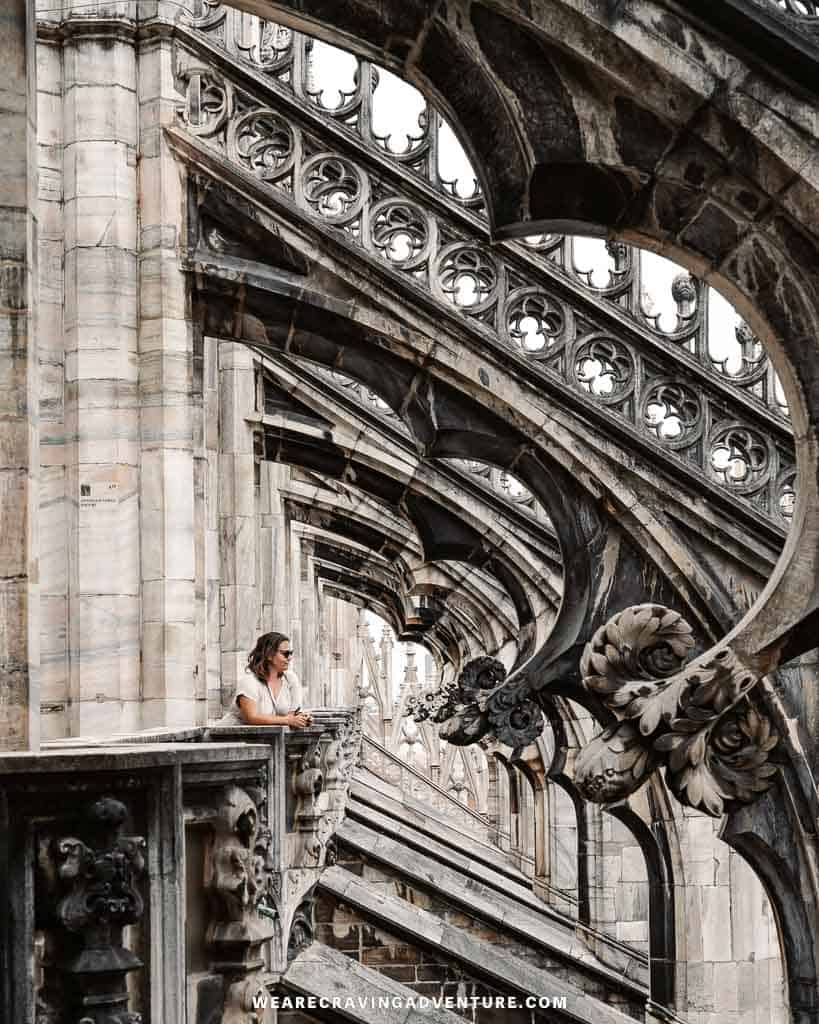
Duomo di Milano
Duomo di Milano is the landmark everyone associates with the city, and yes, it really is worth visiting properly. The cathedral took centuries to complete and is famous for its forest of spires, marble façade, stained glass, statues, and sheer scale.
I used to think the Duomo was probably best admired from the outside. It actually took me until my third adult visit to go inside the Duomo. Then I found out you could go up to the rooftop, and that completely changed how I saw it.
The rooftop is the best part of the visit. On clear days, you may even see the Alps in the distance. Walking between the spires, looking down over Piazza Duomo and across to Galleria Vittorio Emanuele II, is easily one of the best experiences in Milan, even if churches are not usually your thing.
Book ahead if you want to visit the rooftop, especially in high season or on weekends. You can take the stairs or the lift, but either way, wear comfortable shoes. Marble rooftops and flimsy sandals are not a love story.
Book your Duomo visit: this Duomo and rooftop guided tour is the easiest way to see the cathedral and rooftop with more context and less ticket stress.
Piazza Mercanti
After the Duomo, take a short walk to Piazza Mercanti. This small square was once the heart of medieval Milan’s market and civic life, and it feels completely different from the huge, open drama of Piazza Duomo.
The square is surrounded by historic buildings, including Palazzo della Ragione, Palazzo delle Scuole Palatine, and the Loggia degli Osii. It is not a long stop, but it is one of those places that adds depth to the itinerary. Milan suddenly feels older, smaller, and more layered.
Do not rush through it. Stand in the square for a minute and look at the details. Milan is full of these little transitions: one moment you are in a busy modern shopping area, and two minutes later you are in a medieval square that feels like it belongs to a completely different city.
San Bernardino alle Ossa
Next, visit San Bernardino alle Ossa, one of the strangest and most memorable churches in Milan. From the outside, it looks fairly unassuming, but inside you’ll find a small ossuary chapel decorated with human bones and skulls.
It sounds macabre, and it is, but not in a cheap haunted-house way. The bones came from a nearby cemetery and were arranged as a reminder of mortality, faith, and the shortness of human life. It is eerie, beautiful, uncomfortable, and fascinating all at once.
This stop works well after the Duomo because it shows a very different religious side of Milan. The Duomo is grand and public; San Bernardino alle Ossa is intimate, strange, and slightly unsettling. It is also a good reminder that Milan’s best sights are not always the loudest ones.
You do not need long here. Go in, be respectful, take in the chapel, and then continue toward Navigli for the evening.

Aperitivo in Navigli
End your first day in Navigli, Milan’s canal district and one of the best places in the city for aperitivo. This is where the day shifts from sightseeing to sitting outside with a drink and watching the city loosen up.
Italy is known for aperitivo, but Milan takes it seriously. Traditionally, aperitivo is a pre-dinner drink served with small snacks, but in Milan it can become a full evening plan. Think spritzes, cocktails, little plates, buffets, music, friends meeting after work, and everyone somehow looking effortlessly put together.
Head toward Naviglio Grande or Naviglio Pavese and choose somewhere with a good atmosphere rather than obsessing over the “perfect” bar. If you want the easy classic, order an Aperol Spritz or Campari Spritz. If you want something more Milanese, order a Negroni Sbagliato. It was invented in Milan, and it is lighter than a classic Negroni but still feels like a proper grown-up drink.
If you want gelato before or after aperitivo, stop at Gelateria della Musica if it fits your route. I like it because the flavors are fun without feeling gimmicky. Pistachio is always a good test of a gelateria, and anything with hazelnut or chocolate usually hits the spot after a full day of walking.
You may not need dinner after aperitivo, especially if you choose one of the more generous places. But if you do want something simple afterward, stay in Navigli and grab pizza, pasta, or a casual plate nearby. This is not the night I would overplan dinner. The whole point is to let Milan do its evening thing.
Book your evening:
Day 2 – Da Vinci, Contemporary Milan and History
Day 2 shows a completely different side of Milan. You start with Leonardo da Vinci and The Last Supper, then move through one of the city’s most fascinating cemeteries, eat your way through Chinatown, see Milan’s contemporary skyline, visit Brera, pass La Scala, and end with a proper celebratory dinner.
This is the day that makes Milan feel multidimensional. It is not just old churches and designer shops. It is Renaissance art, modern architecture, street food, fashion, opera, hidden courtyards, and the kind of dinner that makes the whole trip feel like an occasion.
| Stop | Plan |
|---|---|
| Leonardo da Vinci’s Vineyard | Start near Santa Maria delle Grazie with Leonardo history and Atellani House before visiting The Last Supper. |
| Santa Maria delle Grazie & The Last Supper | Visit Leonardo’s famous fresco with pre-booked timed tickets or this Last Supper guided tour. If you want a broader introduction to the city, book this Milan walking tour with The Last Supper. |
| Monumental Cemetery | Explore one of Milan’s most impressive open-air art museums. Go independently, or book this Monumental Cemetery guided tour if you want the stories behind the tombs and sculptures. |
| Via Paolo Sarpi | Stop for lunch in Chinatown, especially dumplings, bao, noodles, or Chinese street food. La Ravioleria Sarpi is the easy pick for handmade dumplings. |
| Bosco Verticale | Walk through Porta Nuova and see Milan’s modern skyline, including Bosco Verticale and Piazza Gae Aulenti. |
| Quadrilatero della Moda | From Bosco Verticale, head to Garibaldi FS and take the metro to Montenapoleone, changing at Centrale. Walk through Via Montenapoleone, Via della Spiga, Via Sant’Andrea, and Via Manzoni as a short fashion district checkpoint. |
| Teatro alla Scala | Continue to Milan’s famous opera house. Pass by the exterior, or book this La Scala theatre and museum tour if you want to see more than the outside. |
| Pinacoteca di Brera | Visit one of Milan’s most important art galleries, with works by Raphael, Caravaggio, Mantegna, Tintoretto, and Hayez. |
| Brera district | Wander the streets, stop for gelato or a pre-dinner drink, and enjoy one of Milan’s best evening neighborhoods. |
| Dinner in Brera | Book Ristorante Nabucco for a celebratory but not overly formal dinner in Brera. For something cheaper and more relaxed, stay nearby and choose a casual trattoria, pizza, or pasta spot. |

Santa Maria delle Grazie & The Last Supper
Santa Maria delle Grazie is home to Leonardo da Vinci’s The Last Supper, one of the most famous artworks in the world and one of the main reasons many people visit Milan.
The fresco shows the moment Jesus tells the apostles that one of them will betray him. What makes it so powerful is not just the subject, but the expressions, movement, tension, and composition. Even if you have seen it in books a thousand times, the experience of standing in the room with it feels different.
The practical side matters here. Visits are timed, numbers are controlled, and tickets can be hard to get. Do not leave this until the last minute. If The Last Supper is important to you, book it before you build the rest of your Milan itinerary around it.
A guided visit is worth considering because the viewing time is limited. Having someone explain the context before and during the visit helps you understand what you are looking at instead of spending half your time thinking, “Wait, which apostle is which?”
Book your Last Supper visit: this Last Supper guided tour is a good option if you already have your Milan sightseeing planned. For a broader first-time visit, book the Milan walking tour with The Last Supper that includes stops at the Duomo and other sights as well.
Monumental Cemetery
Next, head to Monumental Cemetery. I know a cemetery may not sound like an obvious addition to a Milan itinerary, but this one is genuinely worth your time.
Cimitero Monumentale is less about who is buried there and more about how they are remembered. The tombs, sculptures, chapels, temples, and mausoleums turn the cemetery into an open-air museum. Some monuments are dramatic, some are beautiful, some are almost theatrical, and some are frankly doing the most. Milan does not always do subtle.
This is one of the stops that shows the city’s wealth, artistic ambition, and social history in a very visual way. It also gives you a quieter break between the intensity of The Last Supper and the energy of Chinatown.
You can visit independently, but a guided tour helps if you want to understand the symbolism, notable families, and most impressive monuments instead of wandering around thinking, “Well, that looks expensive.”
Book your visit: this Monumental Cemetery guided tour is best if you want the stories behind the most impressive monuments.
Via Paolo Sarpi for lunch
For lunch, walk or take transit toward Via Paolo Sarpi, the heart of Milan’s Chinatown. This is one of the best places in the city for a casual, affordable, very satisfying lunch.
Paolo Sarpi is not a formal sit-down lunch kind of stop. It is better if you snack your way along the street: dumplings, bao, noodles, Chinese pancakes, bubble tea, or whatever smells best when you pass by. This is exactly the kind of break I like in Milan because it reminds you the city is not just old Italian landmarks. It is layered, international, and alive.
For a clear pick, go to La Ravioleria Sarpi for handmade dumplings. Order the pork or beef dumplings if you eat meat, or go vegetarian if you want something lighter. They are hot, simple, affordable, and exactly what you want after a morning of serious art and cemetery monuments.
If you want something extra, add a Chinese-style street snack from one of the nearby spots, or grab bubble tea and keep walking. This is not the moment for a three-course lunch. Day 2 still has quite a bit left.


Bosco Verticale and Porta Nuova
After lunch, head toward Porta Nuova and Bosco Verticale. This is where Milan shows off its contemporary side, and it is one of my favorite contrasts in the city.
Bosco Verticale means Vertical Forest, and the name is literal. These residential towers are covered in trees and plants, creating a striking mix of architecture and greenery. They are part of a larger modern development around Piazza Gae Aulenti, one of the most recognizable symbols of contemporary Milan.
I love this area because it makes Milan feel like a proper metropolis. After the churches, castles, and old courtyards, suddenly you are standing among glass towers, elevated squares, sleek walkways, and urban greenery. It is the old-meets-new Milan thing in real life.
If you want a coffee stop around here, look for a modern café near Porta Nuova or Isola and keep it simple. This is a good moment for an iced coffee in summer or an espresso if you are starting to fade. Milan has excellent café culture, but the bigger point here is to pause and actually look around. The skyline is the attraction.
Quadrilatero della Moda
From Bosco Verticale, head to Garibaldi FS and take the metro to Montenapoleone, changing at Centrale. This brings you straight into the Quadrilatero della Moda, Milan’s famous fashion district.
The Quadrilatero is formed by Via Montenapoleone, Via della Spiga, Via Sant’Andrea, and Via Manzoni, and it is where Milan’s fashion capital reputation is at its most polished. Even if you are not planning to shop, it is worth walking through for the window displays, architecture, courtyards, and people-watching.
Don’t turn this into a full shopping session unless you’re happy to miss out on Teatro alla Scala and Brera Gallery.
Teatro alla Scala
From the Quadrilatero, continue toward Teatro alla Scala, one of the most famous opera houses in the world. Since the late 18th century, La Scala has hosted major composers, conductors, singers, and performances, and it is still one of Milan’s great cultural institutions.
The exterior is surprisingly restrained if you are expecting wild opera-house drama. The importance of La Scala is really in its history, performances, and interior. If you love music, theatre, or classic European cultural institutions, visit the museum or book a guided tour.
If you are not especially interested in opera, passing by is enough. It is still worth seeing because it connects Brera, the Galleria, and the Duomo area beautifully, and it gives the day a little more cultural weight before the evening starts.

Pinacoteca di Brera
Next, make your way to Pinacoteca di Brera, one of Milan’s most important art galleries. Founded in the 18th century, the gallery has an impressive collection of Italian and European art, including works by artists such as Raphael, Tintoretto, Caravaggio, Mantegna, and Hayez.
The gallery is housed in a beautiful historic building in Brera, which already makes the visit feel atmospheric before you even start looking at the art. This is the best major museum stop to include in a 2 day Milan itinerary if you want a proper dose of culture without turning the whole day into a museum marathon.
If you are not a big art person, do not force yourself, just go wander Brera, pop in a boutique or stop for a drink.
Book your visit: this La Scala theatre and museum tour is best if you want to see more than just the outside.
Brera district
Spend the late afternoon or early evening in Brera. This is one of the most charming neighborhoods in Milan, with narrow streets, boutiques, galleries, restaurants, bars, and that slightly polished-but-bohemian atmosphere Milan does so well.
Brera is beautiful during the day, but I think it gets better toward evening. The lights come on, people settle into outdoor tables, and the neighborhood starts to feel less like a sightseeing stop and more like somewhere you want to stay for a while.
This is a good place for a pre-dinner drink if you are not heading straight to your restaurant. Order a glass of wine, a spritz, or a Negroni Sbagliato, and give yourself permission to sit for a bit. Milan is not a city that should only be consumed as a checklist. A lot of the pleasure is in the pauses.
Dinner at Nabucco
For a celebratory but not wildly over-the-top dinner, book Ristorante Nabucco. It sits right in Brera and has that classic Milan evening feeling: elegant streets, outdoor tables, polished service, and a menu built around Italian and Milanese staples.
Order something that feels properly Milanese, like risotto alla Milanese or cotoletta alla Milanese if they are on the menu, then linger over wine instead of rushing off to the next stop. After two full days in Milan, this is the moment to sit down and let the city feel a little glamorous.
For a cheaper alternative, stay in Brera and go casual with pizza, pasta, or a simple trattoria dinner. La Taverna del Borgo Antico is a good lower-key option if you want something relaxed and central.
Milan 3 Day Itinerary
Three days in Milan is my favorite amount of time for a first visit. It gives you enough space to see the city’s biggest sights, add one proper day trip, and still have time for the Milan that feels a little more local: aperitivo, fashion streets, contemporary architecture, galleries, Chinatown, and a slower evening in Navigli.
This itinerary keeps the first day focused on the unmissable Milan, uses the second day for Lake Como, then brings you back into the city for a different side of Milan on day three. If your first or third day falls on a Monday, check opening hours carefully and consider swapping the Milan museum-heavy day with Lake Como, as some major sights and galleries are closed on Mondays.
| Day | Plan |
|---|---|
| Day 1 | Santa Maria delle Grazie and The Last Supper guided tour, Sforzesco Castle, Sempione Park, Arco della Pace, Piazza Mercanti, Duomo di Milano and rooftop, Galleria Vittorio Emanuele II, coffee or lunch at Rinascente Rooftop, and an evening wander or dinner in Brera. |
| Day 2 | Take a Lake Como and Bellagio day trip from Milan, or travel independently by train to Como or Varenna. Expect lake views, a boat ride, lunch by the water, gelato, and a slower scenic day before returning to Milan for an easy dinner near your hotel. |
| Day 3 | Teatro alla Scala, Quadrilatero della Moda, Monumental Cemetery, lunch on Via Paolo Sarpi, Piazza Gae Aulenti, Bosco Verticale, one museum or gallery of choice, then apericena in Navigli. For an easy evening plan, book this Navigli aperitivo walking tour. |
Book for your 3 days in Milan:
The Last Supper guided tour
Duomo and rooftop guided tour
Lake Como and Bellagio day trip
Monumental Cemetery guided tour
Navigli aperitivo walking tour
Day 1 – The Unmissable Milan
Start your 3 days in Milan with the city’s biggest classics: Leonardo da Vinci’s The Last Supper, Sforzesco Castle, Sempione Park, Arco della Pace, the Duomo, Galleria Vittorio Emanuele II, and Brera. This is the Milan most people picture first, and it makes sense to see it before moving into the lake day and the more contemporary side of the city.
This is a full but manageable day. The main thing to book ahead is The Last Supper. Everything else can be adjusted around your timed entry, but the fresco is the one stop that can make or break the route if you leave it too late.
| Stop | Plan |
|---|---|
| Santa Maria delle Grazie & The Last Supper | Start with Leonardo da Vinci’s famous fresco. Book a timed ticket or this Last Supper guided tour. |
| Coffee stop | Have coffee near Santa Maria delle Grazie or on the way toward the castle. Keep it simple with an espresso or cappuccino and a pastry so you do not lose time before the main sightseeing stretch. |
| Sforzesco Castle | Walk through the castle courtyards and visit the museums if you want more history. Otherwise, use it as a scenic route toward Sempione Park. |
| Sempione Park | Continue through Milan’s central park toward Arco della Pace. |
| Arco della Pace | See one of Milan’s grandest monuments before looping back toward the historic center. |
| Piazza Mercanti | Stop in one of Milan’s most atmospheric medieval squares before heading to the Duomo area. |
| Duomo di Milano | Visit the cathedral and rooftop terraces. The rooftop is the part I would not skip. Book this Duomo and rooftop guided tour if you want the easiest visit. |
| Galleria Vittorio Emanuele II | Walk through Milan’s famous 19th-century shopping arcade, look up at the glass dome, and stop for a classic Milan coffee or pastry if you need a break. |
| Lunch or drink at Rinascente Rooftop | Have lunch, coffee, or a drink with close-up views of the Duomo spires. It is central, practical, and scenic. |
| Brera | End the day in Brera with an evening wander, aperitivo, or dinner. This is one of the best neighborhoods in Milan for a slower final stop. |
Santa Maria delle Grazie & The Last Supper
Start the day at Santa Maria delle Grazie, home to Leonardo da Vinci’s The Last Supper. This is one of the most important sights in Milan, and it is also one of the few that genuinely needs advance planning.
The fresco shows the moment Jesus tells the apostles that one of them will betray him. The reason it is so powerful is not just the fame of the image, but the tension in the room: the gestures, expressions, movement, and emotion all feel incredibly alive.
Visits are timed and controlled, so book as early as you can. A guided tour is useful here because your time in the room is limited, and it helps to understand the context before you are standing in front of the fresco trying to absorb everything at once.
Book your visit: this Last Supper guided tour is the simplest option if you mainly want to see the fresco. For a broader introduction to the city, book this Milan walking tour with The Last Supper.
Coffee stop
After The Last Supper, stop for coffee before heading toward Sforzesco Castle. If you are close to Corso Magenta, choose a nearby café and keep it classic: espresso or cappuccino with a small pastry.
This is not the moment for a long brunch. It is more of a strategic Milan coffee pause before the walking portion of the day properly begins.
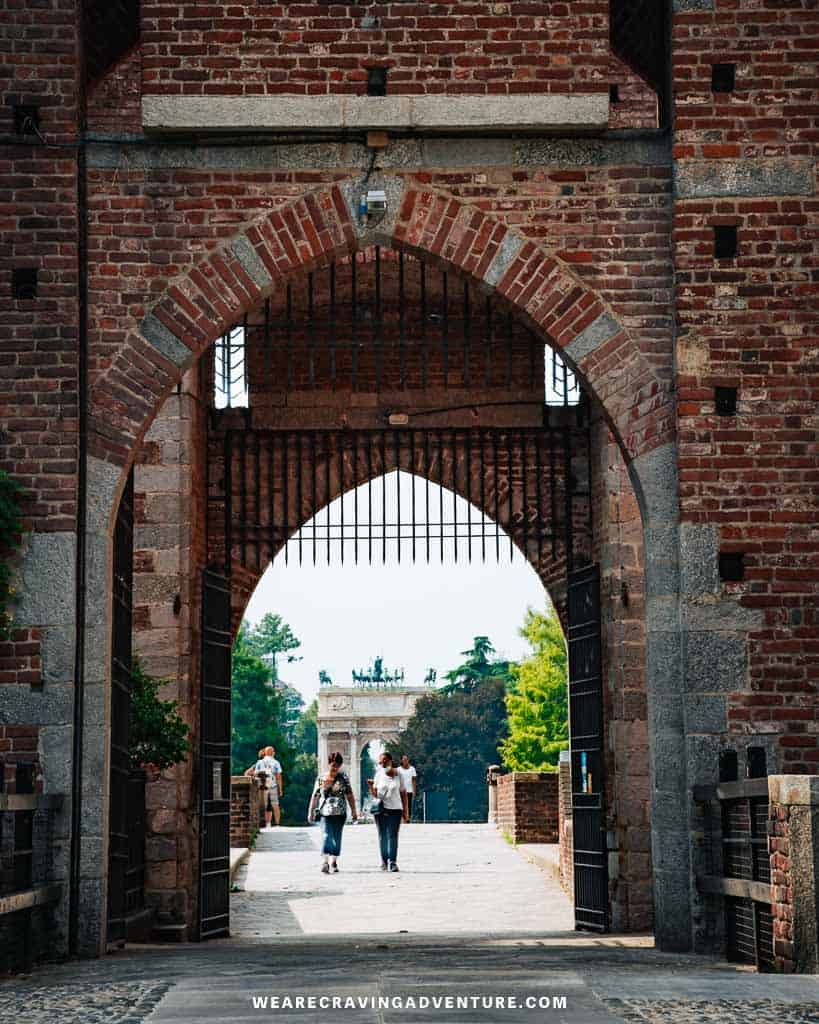

Sforzesco Castle
From Santa Maria delle Grazie, continue to Sforzesco Castle. Built in the 15th century by the powerful Sforza family, the castle has been a fortress, a residence, and one of the most important symbols of power in Milan.
The courtyards are free to walk through and are worth seeing even if you do not visit the museums. If you want more art and history, the castle museums include several collections, including the museum that houses Michelangelo’s unfinished Rondanini Pietà.
On a 3 day Milan itinerary, I would keep this stop flexible. Go inside if the museums genuinely interest you, but do not force it just because you are there. The day still has a lot left, and the courtyards alone give you the atmosphere and scale of the place.
Sempione Park & Arco della Pace
Behind the castle, walk into Sempione Park. This is one of the nicest breathing spaces in central Milan and a good contrast to the busy sightseeing areas around the Duomo.
Continue through the park to Arco della Pace, the Arch of Peace. It is one of Milan’s grandest monuments, and this approach through the park makes it feel like a proper route rather than a random detour.
If you are ready for a pause, the cafés around Corso Sempione work well for a quick drink. Otherwise, turn back toward the historic center and save your longer break for the Duomo area.
Piazza Mercanti
Before diving into Piazza Duomo, stop at Piazza Mercanti. This small medieval square was once the center of Milan’s civic and commercial life, and it still feels like a quiet pocket of older Milan hidden right beside the city’s busiest area.
It is not a long stop, but it adds texture to the day. Milan is very good at these sudden shifts: one minute you are surrounded by shops and crowds, and the next you are standing in a square that feels like it belongs to another century.

Duomo di Milano
Duomo di Milano is the city’s most famous landmark, and it is worth visiting properly. The cathedral is huge, detailed, and impressive from the square, but the rooftop is the part that makes the visit special.
I used to think the Duomo was probably best seen from the outside. Then I went up to the rooftop, and that completely changed my mind. Walking between the spires and looking down over Piazza Duomo is one of the best experiences in Milan.
Book ahead if you want to visit the rooftop, especially in high season or on weekends. You can take the stairs or the lift, but either way, wear comfortable shoes.
Book your Duomo visit: this Duomo and rooftop guided tour is the easiest way to see the cathedral and rooftop with more context and less ticket stress.
Galleria Vittorio Emanuele II & Rinascente Rooftop
Next, walk through Galleria Vittorio Emanuele II, Milan’s famous 19th-century shopping arcade. The designer stores are part of the scene, but the building itself is the real attraction: the glass dome, mosaics, symmetry, and that very polished Milan energy.
If you want a classic coffee stop, go to Marchesi 1824 in the Galleria. It is not the cheapest coffee in Milan, but the setting is beautiful. I would order an espresso or cappuccino with a small pastry, especially a cannoncino if they have it.
For lunch, dinner, or a drink with a view, head to the rooftop level of Rinascente. The restaurants and bars look straight toward the Duomo spires, which makes this one of the easiest scenic stops in the center. It is practical, central, and very useful when you want food without accidentally falling into a mediocre tourist trap around the square.
Evening in Brera
End your first day in Brera. This is one of Milan’s best neighborhoods for an evening wander, with narrow streets, boutiques, galleries, restaurants, bars, and that slightly polished-but-bohemian atmosphere Milan does so well.
You can keep it simple with aperitivo, or stay for dinner if you want the first night to feel more settled. For a celebratory but not overly formal dinner, Ristorante Nabucco makes sense because it keeps you right in Brera. For something easier and cheaper, choose a casual trattoria or pizza spot nearby.
If you want gelato after dinner, wander through Brera and choose somewhere with classic flavors like pistachio, hazelnut, or stracciatella. This is not a neighborhood to rush through. The whole point is to let the day slow down.

Day 2 – Lake Como Day Trip
Use your second day for Lake Como. This is the best classic day trip from Milan and the one I would choose for most first-time visitors with three days in the city.
Lake Como gives the itinerary a completely different rhythm after the big Milan sightseeing day. Instead of another day of churches, museums, and city streets, you get mountain-backed lake views, pretty towns, boat rides, waterfront lunch, and a slower scenic break.
You can visit independently by train, but a guided day trip is much easier if you want to include several places without spending half the day figuring out ferry timing. If you are going independently, keep the plan simple and do not try to see every famous town in one day.
| Option | Best for |
|---|---|
| Guided Lake Como day trip | Best if you want the easiest day with transport, a boat ride, and the main highlights handled for you. Book this Lake Como and Bellagio day trip. |
| Independent Como day trip | Best if you want flexibility and are happy keeping the day simple. Take the train to Como, explore the town, ride the funicular or take a boat, have lunch by the lake, visit the villas and return to Milan. |
| Independent Varenna route | Best if you want a prettier small-town feel and easy access to Bellagio by ferry. Keep an eye on ferry times and avoid overpacking the day. |
Lake Como from Milan
Lake Como is one of those places that is popular for a reason. The lake is beautiful, the towns are elegant, and the scenery feels like a proper contrast to Milan’s urban energy.
If it is your first time, I would prioritize a relaxed day over a complicated one. Como town is the easiest, Bellagio is the classic, and Varenna is one of the prettiest bases if you are traveling independently by train and ferry.
For lunch, aim for somewhere by the water rather than trying to find the absolute best restaurant on the lake. The setting is the point. Order pasta, risotto, fish if you like it, or something simple with a glass of wine, and let this day be more about the view than the checklist.
For gelato, stop in whichever town you are spending the most time in and go classic: pistachio, hazelnut, lemon, or stracciatella. Lake Como is made for a gelato walk, especially if the weather is good.
Book your Lake Como day trip: this Lake Como and Bellagio day trip from Milan is the easiest option if you want lake views, pretty towns, and a boat ride without planning all the transport yourself.
Evening after Lake Como
After returning to Milan, keep dinner easy. This is not the night I would plan a big cross-city restaurant mission. Choose somewhere close to your hotel or near your arrival station, especially if you are staying around Milano Centrale for day trip convenience.
If you still have energy, go for a simple pasta, pizza, or aperitivo nearby. If not, there is absolutely no shame in making this the low-effort dinner of the trip. Lake days are beautiful, but they are still long days.
Day 3 – Old Meets New, Fashion, Exhibitions and Navigli
Day 3 shows a very different side of Milan. You start with La Scala and the fashion district, move through Monumental Cemetery and Chinatown, then continue to Porta Nuova, Piazza Gae Aulenti, Bosco Verticale, one museum or gallery of choice, and apericena in Navigli.
This is the day that makes Milan feel layered. It is not just Gothic marble and Renaissance art. It is opera, designer streets, dramatic tombs, Chinese dumplings, modern skyscrapers, fashion museums, design exhibitions, and canals at sunset.
| Stop | Plan |
|---|---|
| Teatro alla Scala | Start with Milan’s famous opera house. See the exterior, or book this La Scala theatre and museum tour if you want to visit the museum and learn more about its history. |
| Quadrilatero della Moda | Walk through Milan’s fashion district, including Via Montenapoleone, Via della Spiga, Via Sant’Andrea, and Via Manzoni. Treat this as a short fashion checkpoint rather than a full shopping session. |
| Coffee stop | Stop around the fashion district or near La Scala for coffee. This is a good moment for a polished Milan espresso before heading toward Monumental Cemetery. |
| Monumental Cemetery | Take the metro or tram toward Monumentale and explore one of Milan’s most impressive open-air art museums. Go independently, or book this Monumental Cemetery guided tour. |
| Via Paolo Sarpi | Stop for lunch in Chinatown. La Ravioleria Sarpi is the easy pick for handmade dumplings, but this is also a good area for bao, noodles, Chinese pancakes, bubble tea, or casual street food. |
| Piazza Gae Aulenti | Head toward Porta Nuova for Milan’s modern side, with glass towers, sleek walkways, cafés, and one of the most contemporary-feeling corners of the city. |
| Bosco Verticale | See Milan’s famous Vertical Forest towers, then walk around the Porta Nuova and Isola area for modern architecture, skyline views, and a very different contrast to the historic center. |
| Museum or gallery of choice | Choose one afternoon stop based on your interests. Armani/Silos is best for fashion, MUDEC is best for design and changing exhibitions, Pinacoteca di Brera is best for classic art, and Labirinto di Pomodoro works only if you book a timed visit in advance. |
| Navigli apericena | End the day in Navigli with apericena along the canals. Order a spritz, Negroni Sbagliato, or glass of wine, then let the snacks become dinner. For an easy guided evening, book this Navigli aperitivo walking tour. |

Teatro alla Scala
Start Day 3 at Teatro alla Scala, one of the most famous opera houses in the world. Since the late 18th century, La Scala has been one of Milan’s great cultural institutions, hosting major composers, conductors, singers, and performances.
The exterior is surprisingly restrained if you are expecting over-the-top opera-house drama. The history and interior are the real reasons to care about La Scala. If you love music, theatre, or classic European cultural institutions, visit the museum or book a guided tour.
If you are not especially interested in opera, passing by is enough. It still works beautifully as the first stop of the day because it sits right between the Duomo area, the Galleria, Brera, and the fashion district.
Book your visit: this La Scala theatre and museum tour is best if you want to see more than just the outside.
Quadrilatero della Moda
From La Scala, walk into the Quadrilatero della Moda, Milan’s famous fashion district. The area is formed by Via Montenapoleone, Via della Spiga, Via Sant’Andrea, and Via Manzoni, and this is where Milan’s fashion capital reputation is at its most polished.
Even if you are not planning to shop, it is worth walking through for the window displays, architecture, courtyards, and people-watching. This is one of those areas where Milan feels very much like Milan: elegant, expensive, controlled, and slightly intimidating in a way that is still fun to observe.
Treat this as a short checkpoint rather than a full shopping session. A 30 to 45 minute wander is enough for this itinerary. If shopping is one of your main reasons for visiting Milan, give the Quadrilatero more time on a longer trip.
Coffee stop
Before heading toward Monumental Cemetery, stop for coffee around La Scala, Brera, or the fashion district. This is a good part of the city for a polished Milan coffee break.
Order an espresso if you want to keep moving, or a cappuccino and a small pastry if you want to sit for a few minutes. The rest of the day moves through several different neighborhoods, so this is a useful pause before switching gears.
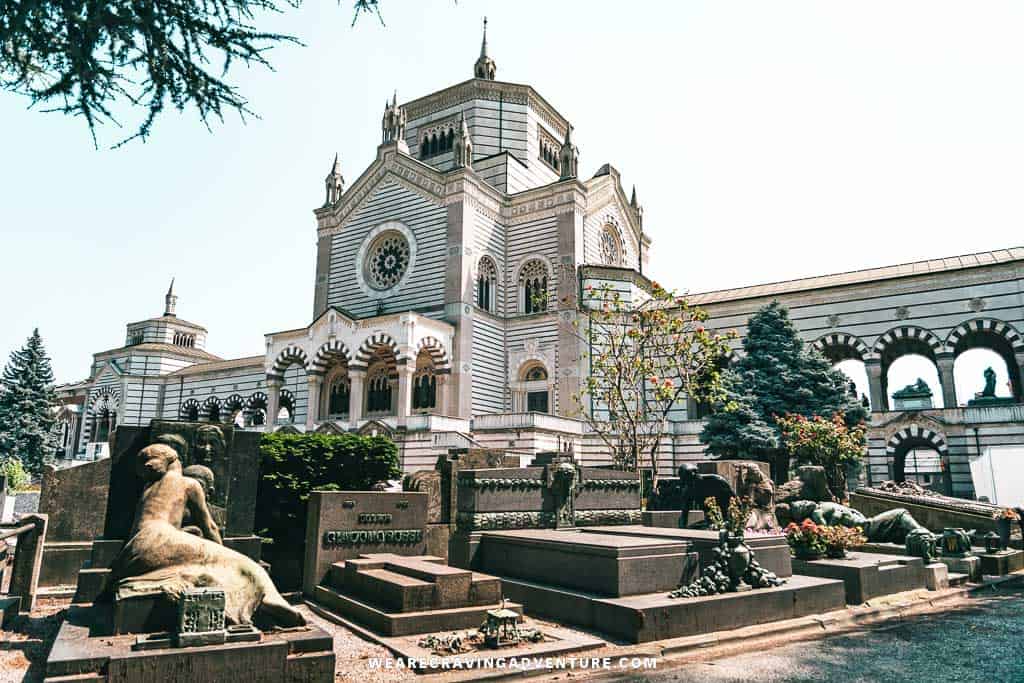
Monumental Cemetery
Next, head toward Monumental Cemetery. A cemetery might not sound like an obvious stop on a Milan itinerary, but this one is genuinely worth your time.
Cimitero Monumentale is less about who is buried there and more about how they are remembered. The tombs, sculptures, chapels, temples, and mausoleums turn the cemetery into an open-air museum. Some monuments are beautiful, some are dramatic, and some are almost theatrical.
This stop works especially well before lunch on Via Paolo Sarpi because the two areas are close enough to pair naturally. It gives you one of Milan’s most unusual art-and-history stops, then sends you straight into Chinatown for food.
Book your visit: this Monumental Cemetery guided tour is best if you want the stories behind the most impressive tombs and sculptures.
Lunch on Via Paolo Sarpi
For lunch, walk or take transit toward Via Paolo Sarpi, the heart of Milan’s Chinatown. This is one of the best places in the city for a casual, affordable, very satisfying lunch.
Paolo Sarpi is not a formal sit-down lunch kind of stop. It is better if you snack your way along the street: dumplings, bao, noodles, Chinese pancakes, bubble tea, or whatever smells best when you pass by.
Go to La Ravioleria Sarpi for handmade dumplings. Order the pork or beef dumplings if you eat meat, or go vegetarian if you want something lighter. They are hot, simple, affordable, and exactly what you want between cemetery monuments and modern Milan.
If you want something extra, add a Chinese-style street snack from one of the nearby spots, or grab bubble tea and keep walking. This is not the moment for a three-course lunch. Day 3 still has quite a bit left.
Piazza Gae Aulenti, Porta Nuova & Bosco Verticale
After lunch, continue toward Porta Nuova, Piazza Gae Aulenti, and Bosco Verticale. This is where Milan shows off its contemporary side, and it is one of the best contrasts in the city.
Piazza Gae Aulenti feels completely different from the historic center. You get glass towers, sleek walkways, cafés, shops, and a very polished urban energy. If you want another coffee or a quick break, this is a good place for it.
Then just nearby, Bosco Verticale adds the city’s famous Vertical Forest towers, with residential buildings covered in trees and plants.
I love this area because it makes Milan feel like a proper modern metropolis. After the churches, castles, fashion streets, and old courtyards, suddenly you are standing among skyscrapers and urban greenery. It is the old-meets-new Milan thing in real life.
Museum or gallery of choice
In the afternoon, choose one museum or gallery based on what you actually like. I would not try to force several into one day, because this itinerary already includes a lot of walking and different neighborhoods.
| Museum / gallery | Best for |
|---|---|
| Armani/Silos | Best for fashion, design, and a Milan-specific museum choice. |
| MUDEC | Best for design, culture, and changing exhibitions, especially if something interesting is on during your visit. |
| Pinacoteca di Brera | Best for classic art, especially if you want works by artists like Raphael, Caravaggio, Mantegna, Tintoretto, and Hayez. |
| Labirinto di Pomodoro | Best if you want something more unusual, but only if you can book a timed visit in advance. |
For this specific route, Armani/Silos or MUDEC make the most sense because they move you toward Navigli for the evening. Pinacoteca di Brera is excellent, but it fits better if you are happy to adjust the route or if classic art is more important to you than route efficiency.
If you choose Armani/Silos, it also ties nicely into the fashion theme from the morning. If you choose MUDEC, check what exhibition is on before committing, as changing exhibitions can make or break the visit.


Navigli apericena
End your final day in Navigli, Milan’s canal district and one of the best places in the city for aperitivo or apericena. This is a great ending for the 3 day Milan itinerary because it gives the trip a proper evening finish rather than just another sightseeing stop.
Apericena is basically aperitivo that turns into dinner. You order a drink, get snacks or small plates, and slowly realize you are no longer hungry enough for a full meal. It is very Milan, very convenient, and very good after a long day.
Order a spritz, a glass of wine, or a Negroni Sbagliato. The Negroni Sbagliato was invented in Milan, and it is lighter than a classic Negroni, which makes it a good choice if you want something that feels local without immediately ending your ability to function.
If you want gelato before or after apericena, stop at Gelateria della Musica if it fits your route. Pistachio, hazelnut, and chocolate-based flavors are the ones I would go for here.
Book your evening: this Navigli aperitivo walking tour is a good option if you want an easy guided evening in the canal district.

4 Days in Milan Itinerary
Four days in Milan gives you enough time for the city’s biggest sights, Lake Como, a more contemporary side of Milan, and either a second day trip or an easier final day in the city.
This itinerary keeps the same basic shape as the 3 day Milan itinerary, but the fourth day gives you a choice. Take the Bernina Red Train if you want a big mountain day, or stay in Milan for art, bones, shopping, quirky stops, and aperitivo with a twist.
If one of your Milan sightseeing days falls on a Monday, check opening hours carefully and swap days around if needed. The Last Supper, Pinacoteca di Brera, and several museums are not always available on Mondays.
| Day | Plan |
|---|---|
| Day 1 | Santa Maria delle Grazie and The Last Supper guided tour, coffee, Sforzesco Castle, Sempione Park, Arco della Pace, Piazza Mercanti, Duomo di Milano and rooftop, Galleria Vittorio Emanuele II, lunch or a drink at Rinascente Rooftop, and an evening wander or dinner in Brera. |
| Day 2 | Take a Lake Como and Bellagio day trip from Milan, or travel independently by train to Como or Varenna. Expect lake views, a boat ride, lunch by the water, gelato, and an easy dinner back in Milan. |
| Day 3 | Teatro alla Scala, Quadrilatero della Moda, coffee, Monumental Cemetery, lunch on Via Paolo Sarpi, Piazza Gae Aulenti, Bosco Verticale, one museum or gallery of choice, then apericena in Navigli. For an easy evening plan, book this Navigli aperitivo walking tour. |
| Day 4 | Choose between a second day trip, such as the Bernina Red Train and St. Moritz day trip, or an easier Milan day with art, San Bernardino alle Ossa, shopping, quirky stops, and aperitivo with a twist. |
Book for your 4 days in Milan:
The Last Supper guided tour
Duomo and rooftop guided tour
Lake Como and Bellagio day trip
Monumental Cemetery guided tour
Bernina Red Train and St. Moritz day trip
Day 1 – The Unmissable Milan
Start with the Milan classics: The Last Supper, Sforzesco Castle, Sempione Park, Arco della Pace, the Duomo, Galleria Vittorio Emanuele II, and Brera. Book The Last Supper and the Duomo rooftop ahead, then keep the rest flexible.
| Stop | Plan |
|---|---|
| Santa Maria delle Grazie & The Last Supper | Start with Leonardo da Vinci’s famous fresco. Book a timed ticket or this Last Supper guided tour. |
| Coffee stop | Have a quick espresso or cappuccino near Corso Magenta before walking toward the castle. |
| Sforzesco Castle | Walk through the courtyards and visit a museum only if you want more history. |
| Sempione Park & Arco della Pace | Continue through the park to the arch, then loop back toward the historic center. |
| Piazza Mercanti | Stop briefly in this small medieval square before the Duomo area. |
| Duomo di Milano | Visit the cathedral and rooftop terraces. Book this Duomo and rooftop guided tour for the easiest visit. |
| Galleria Vittorio Emanuele II | Walk through Milan’s famous shopping arcade. Stop at Marchesi 1824 for coffee and a pastry if you want a classic Milan break. |
| Rinascente Rooftop | Have lunch, coffee, or a drink with close-up views of the Duomo spires. |
| Brera | End with an evening wander, aperitivo, or dinner in one of Milan’s prettiest central neighborhoods. |
For dinner, stay in Brera rather than crossing the city again. Ristorante Nabucco works well for a polished but not overly formal dinner, while a casual trattoria or pizza spot nearby is better if you want to keep the evening easier.
Day 2 – Lake Como Day Trip
Use Day 2 for Lake Como. After a full first day in Milan, the lake gives the itinerary a scenic break with mountain views, pretty towns, boat rides, lunch by the water, and gelato.
| Option | Best for |
|---|---|
| Guided Lake Como day trip | Best if you want transport, a boat ride, and the main highlights handled for you. Book this Lake Como and Bellagio day trip. |
| Independent Como day trip | Best if you want flexibility. Take the train to Como, explore the town, ride the funicular or take a boat, have lunch by the lake, and return to Milan. |
| Independent Varenna route | Best for a prettier small-town feel and easy access to Bellagio by ferry. Check ferry times before you commit. |
Keep the Lake Como day simple. Choose Como, Bellagio, or Varenna as your main focus, have lunch by the water, stop for gelato, and do not try to see the entire lake in one day.
Book your Lake Como day trip: this Lake Como and Bellagio day trip from Milan is the easiest option if you want lake views, pretty towns, and a boat ride without planning all the transport yourself.
After returning to Milan, keep dinner easy near your hotel or arrival station. This is not the night for a complicated cross-city restaurant plan.
Day 3 – Old Meets New, Fashion, Exhibitions and Navigli
Day 3 shows Milan’s other side: opera, fashion streets, Monumental Cemetery, Chinatown, modern architecture, one museum or gallery, and apericena in Navigli.
| Stop | Plan |
|---|---|
| Teatro alla Scala | See the famous opera house, or book this La Scala theatre and museum tour if you want the museum too. |
| Quadrilatero della Moda | Walk through Via Montenapoleone, Via della Spiga, Via Sant’Andrea, and Via Manzoni as a short fashion district checkpoint. |
| Coffee stop | Have coffee around La Scala, Brera, or the fashion district before heading toward Monumentale. |
| Monumental Cemetery | Visit one of Milan’s most impressive open-air art museums, or book this Monumental Cemetery guided tour. |
| Via Paolo Sarpi | Stop for lunch in Chinatown. La Ravioleria Sarpi is the easy pick for handmade dumplings. |
| Piazza Gae Aulenti & Bosco Verticale | Continue to Porta Nuova for modern Milan, skyline views, and the Vertical Forest towers. |
| Museum or gallery of choice | Choose one: Armani/Silos for fashion, MUDEC for design and exhibitions, Pinacoteca di Brera for classic art, or Labirinto di Pomodoro if you can book a timed visit. |
| Navigli apericena | End along the canals with apericena. For an easy guided evening, book this Navigli aperitivo walking tour. |
For this route, Armani/Silos or MUDEC make the most sense because they move you toward Navigli. Choose Pinacoteca di Brera only if classic art matters more than route efficiency.
In Navigli, order a spritz, glass of wine, or Negroni Sbagliato, then let apericena turn into dinner. If you want gelato before or after, Gelateria della Musica is a good pick for pistachio, hazelnut, or chocolate-based flavors.
Day 4 – Second Day Trip or Art, Bones, Shopping and a Twist
For your fourth day in Milan, choose between a second day trip or a slower city day. If you want to make the most of Milan as a base, go to the mountains, Verona and Lake Garda, Bologna, Venice, Cinque Terre, or Portofino. If you want an easier day, stay in Milan for art, San Bernardino alle Ossa, shopping, and a more unusual aperitivo.
Option 1 – Take a second day trip
If you still have energy, use Day 4 for another day trip from Milan. My first choice would be the Bernina Red Train and St. Moritz because it feels completely different from Lake Como.
| Day trip | Best for |
|---|---|
| Bernina Red Train and St. Moritz | The best second day trip if you want mountains, Swiss scenery, and a memorable train route. |
| Lake Como, St. Moritz and Bernina Red Train | Best if you skipped Lake Como on Day 2 or want to combine both into one very full day. |
| Verona and Lake Garda | Best if you want a pretty Italian city, Roman history, and a quick taste of Lake Garda. |

Option 2 – Stay in Milan for art, bones, shopping and a twist
If you want a slower final day, stay in Milan. This version gives you a little art, one strange church, time for shopping, and an aperitivo that feels more memorable than just another spritz by the canals.
| Stop | Plan |
|---|---|
| Pinacoteca di Brera | Start with Milan’s best classic art gallery, or swap in another gallery if you already used Brera on Day 3. |
| Coffee in Brera | Have a slower coffee and pastry in Brera before heading back toward the Duomo area. |
| San Bernardino alle Ossa | Visit Milan’s small bone chapel. It is quick, strange, and very memorable. |
| Lunch | Stay central for lunch around Brera, Duomo, Missori, or Via Torino, depending on where you want to shop next. |
| Shopping | Choose Brera for boutiques, Quadrilatero for luxury, Via Torino for high-street shopping, or Corso Buenos Aires for practical mainstream shopping. |
| Quirky extra stop | Add 10 Corso Como for fashion/design, Villa Necchi Campiglio for elegant old Milan, or Bagni Misteriosi as a summer-only option. |
| Aperitivo with a twist | End at Bar Basso for a classic Milan cocktail moment, or Nottingham Forest if you want a more experimental cocktail bar. |
Pinacoteca di Brera
Start with Pinacoteca di Brera if you want a proper art stop. It is one of Milan’s most important galleries, with works by artists such as Raphael, Caravaggio, Mantegna, Tintoretto, and Hayez.
Keep the visit focused. Choose a few highlights, then go for coffee in Brera rather than trying to turn the whole morning into an art marathon.
San Bernardino alle Ossa
Next, head to San Bernardino alle Ossa, a small church best known for its ossuary chapel decorated with human bones and skulls.
It is quick to visit, slightly eerie, and a good quirky contrast to Milan’s grander churches and galleries.
Shopping in Milan
Use the afternoon for shopping, but choose the area based on your mood rather than trying to cover everything.
| Shopping area | Best for |
|---|---|
| Quadrilatero della Moda | Luxury fashion, designer windows, and polished Milan energy. |
| Brera | Boutiques, galleries, design shops, and pretty streets. |
| Via Torino | Younger, central, high-street shopping close to the Duomo. |
| Corso Buenos Aires | Mainstream shopping and lots of practical stores. |
| 10 Corso Como | Fashion, design, books, lifestyle, and concept-store browsing. |
If you only choose one, I would pick Brera for atmosphere or the Quadrilatero della Moda for the most Milan-specific fashion experience.
Quirky extra stops
If you still have time, add one extra stop before aperitivo. 10 Corso Como works well if you want fashion and design, Villa Necchi Campiglio is best for elegant old Milan, and Bagni Misteriosi is a fun seasonal option if it is open and the timing works.
I would not force this part. The fourth day is supposed to feel easier, so only add a quirky stop if it fits naturally with your shopping area and evening plans.
Aperitivo with a twist
End the day with aperitivo somewhere that feels different from the Navigli evening. Bar Basso is the most Milan-specific choice because it is tied to the Negroni Sbagliato, one of the city’s classic cocktail stories.
Order a Negroni Sbagliato if you want the obvious choice, or a classic spritz if you want something lighter. It is a good final Milan drink: historic, simple, and more about the ritual than the view.
For something more theatrical, try Nottingham Forest, known for experimental cocktails and a more playful atmosphere. It is popular, so treat it as a fun option rather than something to rely on if you are on a tight schedule.
5 Days in Milan Itinerary
Five days in Milan gives you enough time to see the city properly and add one or two excellent day trips. I’d use the first two days for Milan’s big sights, the middle of the trip for day trips, and the final day for a slower mix of fashion, design, food and a few quirkier stops.
| Day | Best for | Plan |
| Day 1 | Classic Milan | Duomo, Galleria, La Scala, Brera, Navigli |
| Day 2 | Art, castles and aperitivo | The Last Supper, Santa Maria delle Grazie, Sforza Castle, Parco Sempione, Chinatown or Brera |
| Day 3 | Easy day trip | Lake Como, Verona, Bergamo or Bologna |
| Day 4 | Second day trip or big-ticket experience | Bernina Red Train, Venice, Lake Garda, Cinque Terre or Portofino |
| Day 5 | Slow Milan finale | Quadrilatero, design, shopping, quirky museums, aperitivo with a twist |
Planning a five-day Milan trip? Book Duomo tickets, Last Supper tickets and your main day trip from Milan in advance. These are the things I would not leave to the last minute.
Day 1: Duomo, Galleria, Brera and Navigli
Start your first day in Milan with the classics. Visit the Duomo di Milano, go up to the rooftop terraces if the weather is good, then walk through the Galleria Vittorio Emanuele II. This is the most obvious Milan route, but it is obvious for a reason.
From there, pass by La Scala and continue toward Brera. This is one of the prettiest areas in central Milan, with narrow streets, galleries, boutiques and plenty of places for lunch or coffee.
In the late afternoon, make your way to Navigli. Walk along the canals before sunset, then stay for dinner or drinks. It is touristy in parts, but still one of the easiest areas to enjoy Milan in the evening.
Book ahead: The Duomo is the one Milan ticket I would sort before arriving. Book Duomo tickets here, especially if you want rooftop access.
Day 2: Last Supper, Sforza Castle and aperitivo
Use your second day for Milan’s major art and history stops. Start with The Last Supper at Santa Maria delle Grazie, but only if you can get tickets. You absolutely need to book this in advance.
Afterward, walk toward Sforza Castle and Parco Sempione. You can visit the castle museums if you want a museum-heavy day, or keep it lighter and just explore the courtyards and park.
For the evening, choose between Brera, Chinatown around Via Paolo Sarpi, or a more classic aperitivo spot. Chinatown is especially good if you want something more casual and food-focused rather than another polished Milan drink scene.
Hard-to-get ticket: Check Last Supper ticket availability here. If regular tickets are gone, a guided visit or city tour that includes entry can be the easiest backup.
Day 3: Take an easy day trip from Milan
For your third day, leave Milan for one of the easier day trips. I would choose this based on season, weather and how much energy you want to spend on logistics.
- Lake Como – best for scenery, lake towns and a classic Milan day trip.
- Verona – best for a beautiful compact city, Roman ruins and a more romantic old-town feel.
- Bergamo – best if you want something easy, underrated and close to Milan.
- Bologna – best for food, porticoes and a very different city vibe.
If this is your first time in the area, I’d probably pick Lake Como. It is popular, yes, but it gives the biggest contrast to Milan without needing a complicated route.
Easiest day trip choice: For a low-stress lake day, book a Lake Como day trip from Milan instead of piecing together trains, boats and town-hopping yourself.
Day 4: Add a bigger day trip or special experience
With five days in Milan, you can add a second day trip. This is where I’d choose something more ambitious, because you already have another slow Milan day coming after it.
- Bernina Red Train and St Moritz – best for mountain scenery and a big bucket-list day.
- Venice – long day, but doable if you really want to see it.
- Lake Garda and Verona – best if you want a mix of lake views and city exploring.
- Cinque Terre – possible, but expect a long and busy day.
- Portofino – best for a polished coastal day, especially in good weather.
If you do not want another long day, keep this simpler and choose Bergamo, Verona or Lake Como instead. Five days in Milan does not need to become an endurance sport. Nobody wins a medal for being sweaty and miserable on Trenitalia.
Big-ticket day trip: If you want the most dramatic scenery, check Bernina Red Train day trips from Milan. It is a long day, but it makes sense in a five-day itinerary.
Day 5: Fashion, design, quirky Milan and a slower final day
Keep your last day in Milan lighter. This is a good time for the things that make Milan feel like Milan beyond the Duomo and Last Supper: fashion, design, shopping, galleries, excellent food and slightly weirder museums.
Start around the Quadrilatero della Moda, Milan’s luxury fashion district. Even if you are not planning to shop, it is worth a wander for the window displays, architecture and very Milanese people-watching.
Then choose one or two stops based on your interests:
- Pinacoteca di Brera – best for classic art in one of Milan’s loveliest neighborhoods.
- Fondazione Prada – best for contemporary art and design.
- Armani/Silos – best if you are interested in fashion.
- San Bernardino alle Ossa – best for a quick, quirky bones-and-skulls stop.
- Via Torino or Corso Buenos Aires – best for more accessible shopping.
For your final evening, skip anything too complicated and do one last aperitivo or dinner somewhere with atmosphere. Brera is the easiest choice, Navigli is lively, and Porta Venezia works well if you want something a little more local and less postcard-Milan.
Staying five days? Location matters more than usual. Check Milan hotels here, or stay near Milano Centrale if you plan several train day trips.
Is 5 days in Milan too much?
Five days in Milan is not too much if you use the city as a base. I would not spend all five days only ticking off sights in the city center, but Milan works very well for a longer trip because you can combine the city with Lake Como, Verona, Bergamo, Bologna, Venice, Lake Garda or the Bernina Red Train.
If you prefer slower travel, five days is also a nice amount of time to enjoy Milan without rushing: see the big sights, eat properly, explore a few neighborhoods, add a museum or two, and take one easy day trip.

What to Book in Advance in Milan
You do not need to book every single thing in Milan in advance, but there are a few things I would absolutely sort before arriving.
The big one is The Last Supper, because tickets are limited and can sell out. I would also book the Duomo rooftop if you care about going up, and any major day trip if you only have one specific date available.
| Book ahead | Why it matters | Link |
| The Last Supper | Limited entry and often sells out | Check tickets |
| Duomo rooftop | Best Milan view, timed entry helps | Book Duomo tickets |
| Lake Como day trip | Much easier than juggling trains and boats | See Lake Como trips |
| Bernina Red Train | Long, logistics-heavy day trip | See rail tours |
| Food or aperitivo tour | Good if you want a more social evening | See food tours |
If you only book one thing in advance, make it The Last Supper. If that is sold out, look for a guided Milan tour that includes entry.
How to Get Around Milan
The easiest way to get around Milan is by metro, tram and walking. The city center is fairly walkable, but you will still use public transport for places like Navigli, Porta Venezia, Milano Centrale, Fondazione Prada and some day-trip connections.
I would not rent a car for Milan itself. Parking is annoying, traffic is annoying, and the ZTL situation is not something you need in your life unless you enjoy administrative jump scares. Use trains for most day trips, and only consider a car if you are building a wider northern Italy road trip around Milan.
How to Get from Milan Airport to the City
Milan has three main airports: Malpensa, Linate and Bergamo. Which one is best depends on your flight, but Linate is the closest to the city. Malpensa and Bergamo are farther out, so you need to factor transfer time into your arrival and departure days.
If you are arriving late, traveling with heavy luggage, or heading straight to a hotel instead of a train station, a private transfer can be worth it. Otherwise, airport trains and buses usually do the job.
| Airport | Best for | Transfer option |
| Malpensa | Long-haul and many international flights | Check airport transfers |
| Linate | Closest airport to central Milan | Check airport transfers |
| Bergamo | Budget flights and onward trips | Check airport transfers |
Best Time to Visit Milan
The best time to visit Milan is spring or autumn, especially if you want comfortable sightseeing weather and good day trip conditions. Summer can be hot and busy, while winter is better for museums, shopping, Christmas lights and lower-season city breaks.
If you want to include Lake Como, I would lean toward spring, early summer or autumn. If you are more interested in Milan’s museums, shopping, food and city atmosphere, winter can still work well.
I have visited Milan in different seasons, including the middle of August, which is usually when Italian city travel starts feeling like a personal attack. And somehow, Milan still worked. The metro, trams, shaded churches, galleries, cafés, and air-conditioned museums make it easier than many other Italian cities in peak summer, and during Ferragosto the city can feel surprisingly calm.
| Season | What to expect | Best for |
| Spring | Milder weather and good day trip conditions | Lake Como, walking, first-time trips |
| Summer | Hot, but lively | Lake days, longer daylight, outdoor evenings |
| Autumn | Often pleasant and atmospheric | City exploring, food, day trips |
| Winter | Cooler, festive, less lake-focused | Museums, shopping, Christmas atmosphere |
Is Milan Worth Visiting?
Yes, Milan is worth visiting, but it is not the same kind of Italy trip as Rome, Florence or Venice. Milan is better for design, fashion, food, aperitivo, shopping, big-ticket sights like the Duomo and Last Supper, and excellent day trips. It is not the place I would choose if you want romantic old-town Italy every second of the day.
The trick is to plan Milan properly. If you only wander around the station area and expect it to look like a Renaissance film set, you will probably be disappointed. If you mix the Duomo, Brera, Navigli, The Last Supper, good food, and one strong day trip, Milan makes a lot more sense.
Milan Itinerary FAQ
How far in advance should you book The Last Supper in Milan?
You should book The Last Supper as early as possible, especially if you are visiting Milan in spring, summer, around holidays, or on a weekend. Tickets are limited, time slots are strict, and this is one of the easiest Milan plans to mess up if you leave it too late.
If regular tickets are sold out, check Last Supper tours and tickets here. A guided tour that includes entry is often the easiest backup when standalone tickets are gone.
What can you do if Last Supper tickets are sold out?
If Last Supper tickets are sold out, look for a guided Milan tour that includes Last Supper entry. These can cost more than standard tickets, but they are often the most realistic option once regular time slots are gone.
If that still does not work, do not rebuild your entire Milan itinerary around it. Visit the Duomo rooftop, Brera, Sforza Castle, San Maurizio al Monastero Maggiore, or add a food tour instead. The Last Supper is worth seeing, but Milan does not collapse into dust without it.
You can check Last Supper availability here, including tours that bundle it with other Milan sights.
Do you need to book Milan Duomo tickets in advance?
You do not always need to book Milan Duomo tickets in advance, but I would book ahead if you want rooftop access. The cathedral itself is easier to fit in, but the rooftop is the part I would not leave to chance, especially on a short Milan itinerary.
For the best experience, book a ticket that includes the Duomo terraces. The rooftop is one of the best views in Milan and makes the Duomo feel much more memorable than just seeing it from the square.
You can book Milan Duomo tickets here, including rooftop access options.
Is the Milan Duomo rooftop worth it?
Yes, the Milan Duomo rooftop is worth it if the weather is decent. It is one of the most impressive parts of the Duomo visit, with close-up views of the spires, statues and city rooftops.
If you are short on time, I would rather do the Duomo rooftop than try to squeeze in another average museum. Just book the elevator option if stairs are not your idea of holiday joy.
Is Milan a good base for northern Italy?
Yes, Milan is one of the best bases for northern Italy if you want to travel by train. From Milan, you can easily reach Lake Como, Bergamo, Verona, Bologna, Turin and even Venice as day trips or overnight stops.
For train-heavy trips, stay near Milano Centrale. For a more atmospheric city break, stay around Brera, Duomo, Porta Venezia or Navigli and accept slightly less convenient station access.
Is Milan better than Florence or Venice?
Milan is not better or worse than Florence or Venice; it is a different kind of trip. Florence is better for Renaissance art and a classic historic center. Venice is better for atmosphere and canals. Milan is better for design, fashion, aperitivo, shopping, modern city energy, and day trips around northern Italy.
If this is your first trip to Italy and you want the most “classic Italy” feeling, Milan would not be my only stop. But as part of a northern Italy itinerary, it makes a lot of sense.
What should you skip in Milan if you are short on time?
If you are short on time, skip anything that pulls you too far from the center unless it is a personal priority. I would focus on the Duomo, Galleria, Brera, The Last Supper, Sforza Castle and Navigli first.
Save places like Fondazione Prada, CityLife, San Siro, extra museums and longer shopping routes for a second or third day. They are not bad stops, they just do not belong in a tight first-time Milan itinerary.
What is the best area to stay in Milan for sightseeing?
The best areas to stay in Milan for sightseeing are around the Duomo, Brera and Porta Venezia. Brera is my favorite for atmosphere, the Duomo area is best for convenience, and Porta Venezia is good if you want a more local-feeling base with easy transport.
If you are planning several day trips, Milano Centrale is more practical. For a stylish central stay, look at Casa Brera. For train logistics, look at iQ Hotel Milano.
Is Milan expensive to visit?
Milan can be expensive, especially for hotels, rooftop bars, shopping and last-minute bookings. But it does not have to be outrageous. You can keep costs lower by using public transport, staying slightly outside the Duomo-Brera core, eating away from the most obvious tourist streets, and booking key tickets early.
The things I would budget for are a good hotel location, Duomo rooftop tickets, The Last Supper, and one strong day trip if you have enough time.
Planning a trip to Italy?
Italy is easy to romanticize and very easy to overpack. Milan, Venice, Bologna, Verona, the lakes, the coast, the food cities, the train routes — it all looks close on a map until your “quick extra stop” becomes four train changes and a public meltdown with a suitcase.
To help you plan the rest of your trip properly, I’ve put together more practical Italy travel guides, including city itineraries, where-to-stay guides, day trips, winter guides, and attraction guides.
Read next:
Travel Insurance
Good travel insurance is an absolute must when traveling abroad, and I’ve learned that the hard way!
Now I always get insured before we leave and Travel Insurance Masters is my go-to platform to find the best insurance options for the specific trip.
The TIM platform works as a search engine and suggests the best insurance company and insurance plan for your criteria so you don’t end up paying more for things you don’t need! It also takes into account your age, nationality, destination etc. which can greatly impact the final price.
You can get your quote & provider recommendations here.
