This site uses affiliates. Thank you for buying through our links and supporting this blog.


All you need to know about New Zealand – The good, the bad, and the ugly

New Zealand is ridiculously easy to fall in love with. I know because I did. I lived there for several years, travelled all over both islands, and for a long time genuinely thought I might never leave.
But New Zealand also gets romanticized to death. Behind the mountains, ridiculously blue lakes and laid-back Kiwi lifestyle are a few realities that don’t make it onto the tourism posters; some mildly annoying, others genuinely surprising.
So rather than give you another list of reasons why New Zealand is amazing, I want to give you the version I wish more people talked about: what New Zealand is really like, including the good, the bad and the ugly.
These are the pros and cons I noticed after actually living and travelling there, not just visiting for two weeks.
And despite everything in the bad and ugly sections? I’d still recommend New Zealand in a heartbeat.
In a hurry?
Start planning your New Zealand trip here!
If you’re actually planning a trip rather than just here for my mildly contrarian opinions, these are the things I’d sort first. New Zealand’s headline experiences can sell out, and having your own wheels makes almost everything easier.
Milford Sound small-boat cruise
Franz Josef Glacier heli-hike
Hobbiton Movie Set tour
Te Pā Tū Māori cultural experience
Kaikōura whale watching
Start with: North Island road trip or South Island road trip
What and where is New Zealand?
New Zealand is a stunning island nation located in the southwestern Pacific Ocean, approximately 2,000 kilometers (1,200 miles) southeast of Australia.
New Zealand consists of two big main islands, aptly named the North Island and the South Island (you’ll find that New Zealand isn’t great at coming up with original names for places and roads), and about 600 smaller islands.
New Zealand is renowned for its diverse and breathtaking landscapes, ranging from lush rainforests and rugged mountains to serene beaches, otherworldly geothermal landscapes and vibrant cities.
If you’re wondering what New Zealand is known for, the scenery is the obvious answer, but Māori culture, adventurous outdoor activities and unique wildlife are a huge part of it too.

READ NEXT:
Best Māori Villages & Cultural Experiences in Rotorua
Compare Rotorua’s Māori cultural experiences and choose the one that’s right for you
How big is New Zealand and how many people live there?
The size of New Zealand is comparable to that of the United Kingdom, but with an estimated New Zealand population of about 5.36 million people, the country isn’t densely populated at all.
Of those, around 1.8 million live in the Auckland Region, which gives you some idea of how empty the rest of the country can feel.
When you venture outside of the bigger cities you can often drive for hours without seeing another human being, but while the country isn’t crowded at all, it still received 3.67 million international visitors in the year to June 2026.
Most of these tourists come to admire the country’s natural splendor and hit more or less the same hotspots, so depending on the season certain popular locations can get really, really busy.
How to visit New Zealand?
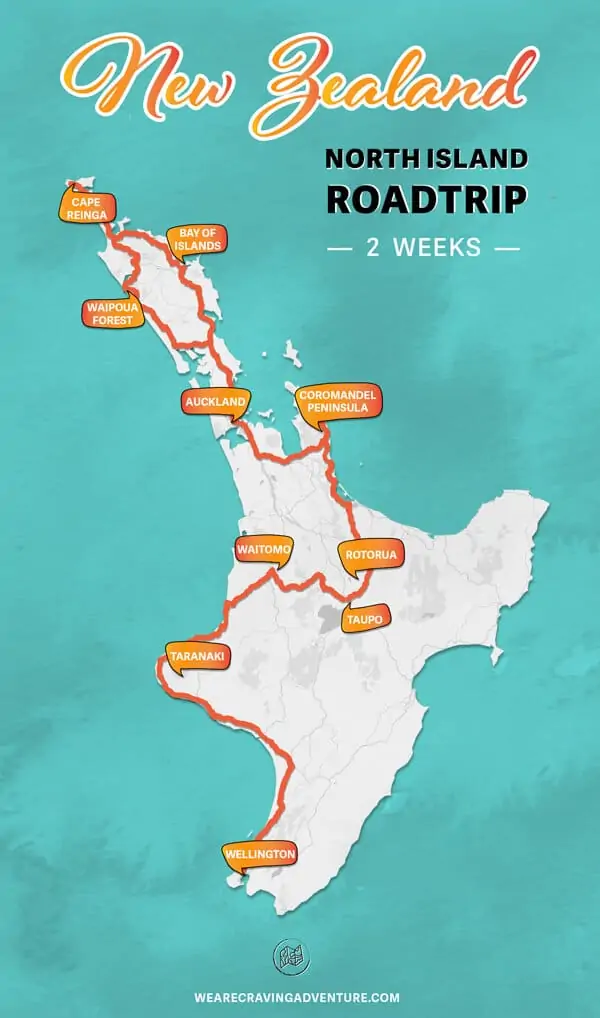
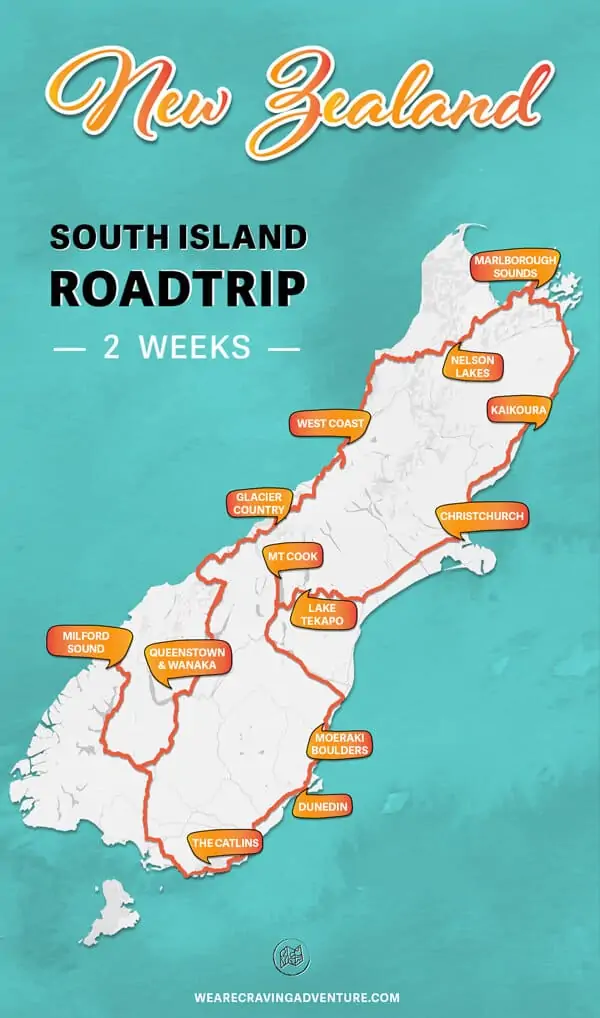
If you’d like to explore New Zealand in an authentic way, visit the hotspots that are actually worth the buzz while also making time to enjoy some of the hidden gems, I recommend you check out my North Island and South Island road trip itineraries. They both come in 2 and 3 week versions.

READ NEXT:
New Zealand South Island Road Trip Itinerary
Plan the ultimate 2 & 3 week South Island road trip route
For most of these routes, having your own wheels makes life dramatically easier. I’m very biased toward campervans — I traveled around New Zealand in one for about a year — but a rental car plus hotels is usually more comfortable.
If you’re on limited time, then these shorter itineraries are for you, with the perfect way to spend a week on the North Island and 10 days on the South Island.

READ NEXT:
New Zealand North Island Itinerary – 7 Days
A one-week itinerary for New Zealand’s North Island

Either way, don’t underestimate New Zealand driving times; the roads are often narrow, winding and much slower than the map makes them look. Compare rental cars here, or read my New Zealand car rental guide first.
| If you’re planning… | Start here |
|---|---|
| A longer North Island road trip | North Island 2 & 3 week road trip |
| One week on the North Island | 7-day North Island itinerary |
| A longer South Island road trip | South Island 2 & 3 week road trip |
| A shorter South Island trip | 10-day South Island itinerary |
Book the Big New Zealand Experiences in Advance
You do not need to pre-book every stop on a New Zealand road trip, but I would not leave the expensive, capacity-limited experiences until the day before.
- Milford Sound: I’d book this small-boat Milford Sound cruise if you’re driving yourself to the fiord.
- Franz Josef: The Franz Josef Glacier heli-hike is expensive, weather-dependent and one of the few West Coast splurges I genuinely think is worth building the itinerary around.
- Rotorua: I’d prioritize the Te Pā Tū Māori cultural evening if you want the full cultural experience and hāngī dinner.
- Hobbiton: Reserve the Hobbiton Movie Set tour before your road-trip dates are locked around Matamata.
- Kaikōura: Book the Kaikōura whale-watching cruise if wildlife is a priority rather than hoping the departure you want still has space.
The good
New Zealand’s scenery is breathtaking
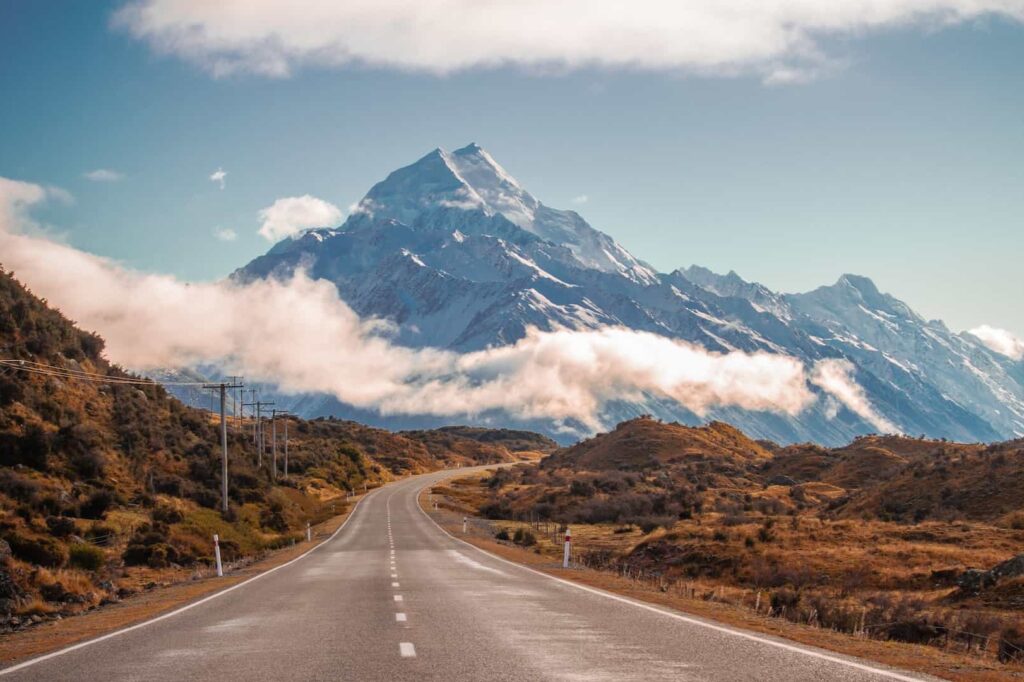
New Zealand might be the most scenic country in the world, with so much diversity that you find a different breathtaking view around almost every corner.
In the middle of the North Island there is the active Taupō volcanic system, with the 616-square-kilometer (238-square-mile) Lake Taupō filling its caldera, and the stunning Tongariro Crossing hike and Mt. Doom at its feet. Nearby Rotorua still remains geothermally active to this day.

You might have heard about the almost symmetrical Taranaki Maunga, visible from hundreds of kilometers in any direction, standing proud in the middle of its own peninsula. Or you might have seen photos of the breathtaking Cathedral Cove on the Coromandel Peninsula.

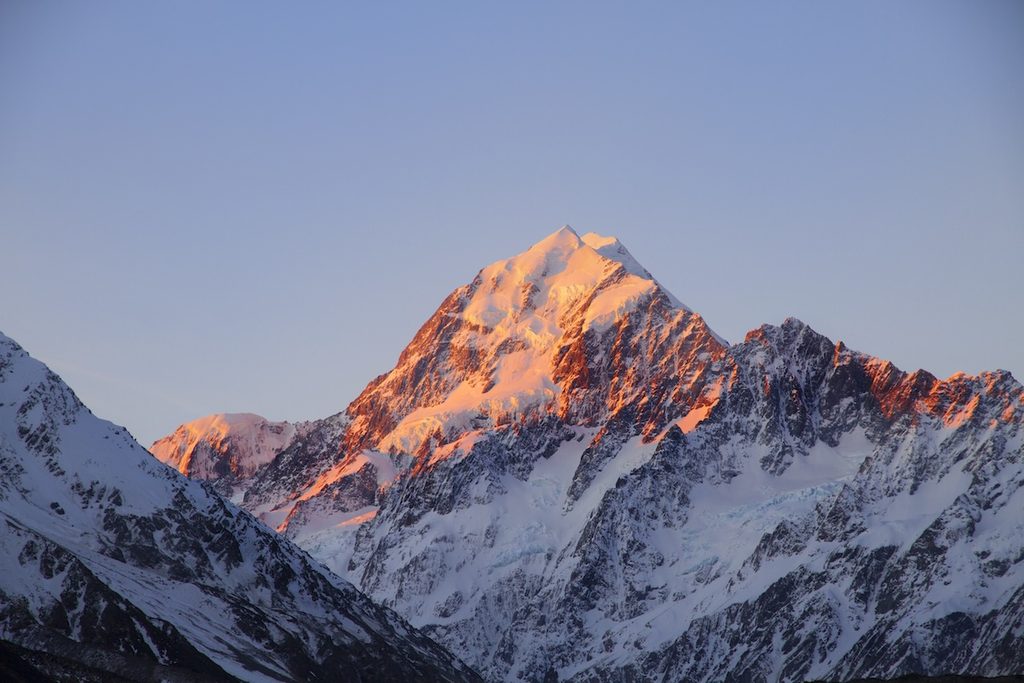
Then, in the middle of the South Island stands the impressive Mount Cook, New Zealand’s highest mountain with the unbelievably blue Lake Pukaki at its foot. This is one of my favorite areas but weather can be a bit tricky sometimes.
READ NEXT:
Aoraki/Mount Cook Travel Guide
Plan your time in Mount Cook, from scenic stops and short walks to the best hikes
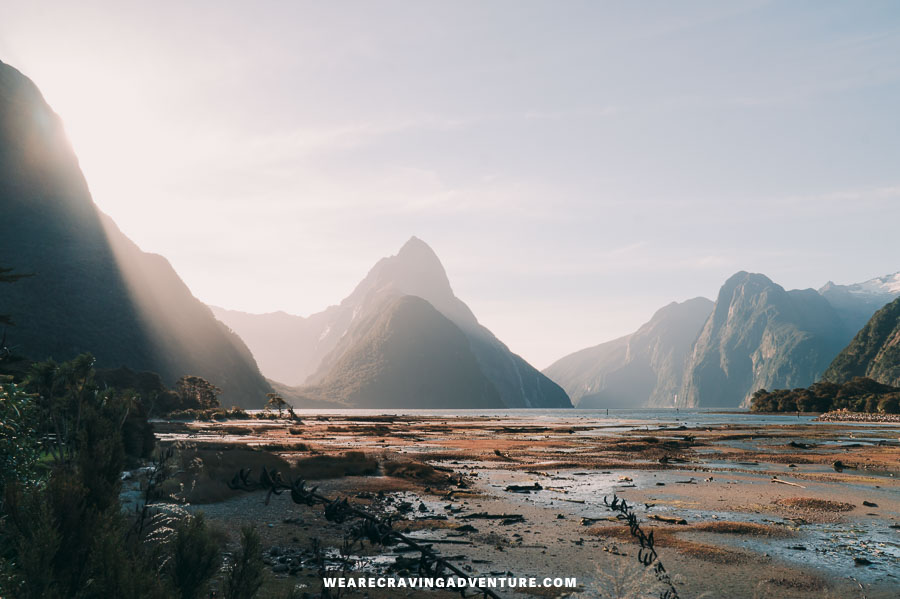
Milford Sound is often dubbed as the 8th wonder of the world and you won’t believe its beauty until you’ve seen it with your own eyes. I’ve returned here more times than I can count and it always leaves me speacheles.

READ NEXT:
Compare the best Milford Sound cruises and find the right one for your trip
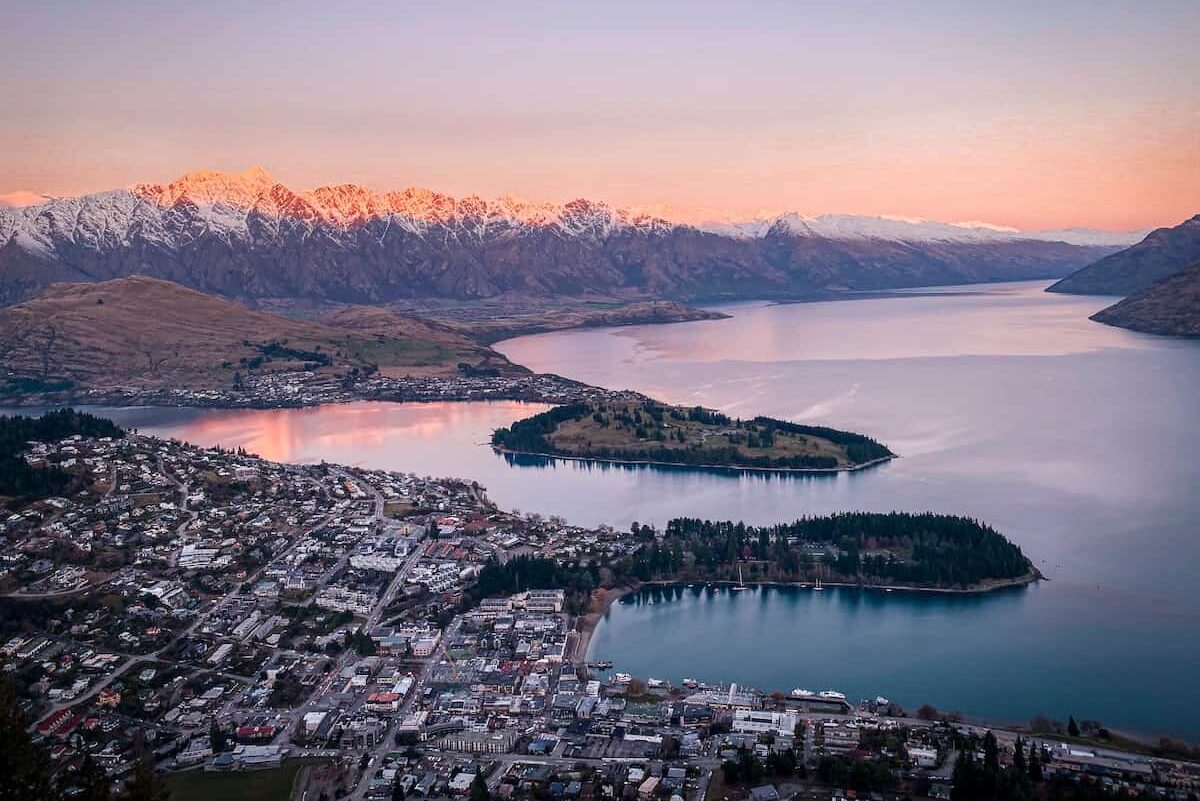
Close to Queenstown and Glenorchy there is a place that is literally called Paradise. These are just some of the incredible locations in the land that Peter Jackson used to bring the Lord of the Rings books to life. And Queenstown is the place I’ve been fortunate enough to call home.
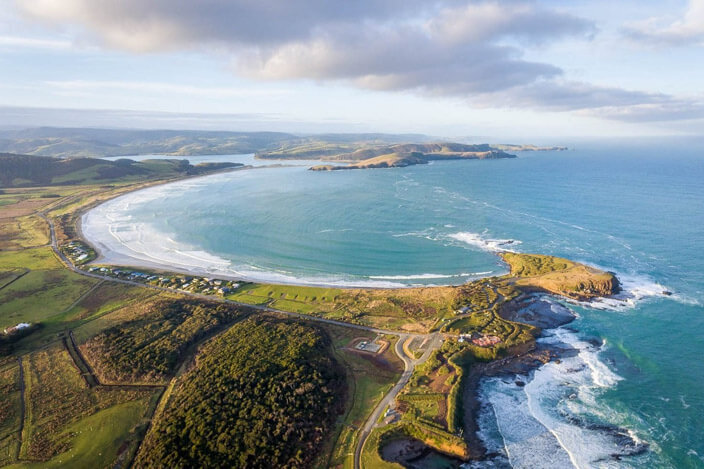
New Zealand is an incredibly beautiful country and a great place to live and travel to. From gorgeous sandy beaches to rugged coastal cliffs, from wide open green plains to volcanoes and massive snow-capped mountain ranges full of glacial lakes, from dense rainforests to rolling hills and impressive waterfalls, New Zealand’s got it all!

The wildlife in New Zealand is incredible
Then there is the wildlife, which is just as impressive as the scenery. New Zealand is home to many amazing and rare bird and marine wildlife species.
I know, bird watching doesn’t sound exciting and I thought the same thing when I came to New Zealand, but that quickly changes when you see massive royal albatrosses sweep over your head, or when you see the extremely cute little blue penguin hop out of the water and waddle to its nest. The list of rare bird species just goes on and on, and then there are of course the famous kiwi birds. They do exist, I’ve seen them!

The marine wildlife is something you’ll definitely get excited for. New Zealand is one of the best countries in the world to see wild dolphins, and there are many species to see too. There’s the Hector’s dolphin, which is the rarest and smallest dolphin in the world, orcas, bottlenose dolphins, and in Kaikoura you can see superpods of up to a thousand dusky dolphins at a time!
There are also loads of seals, often with adorable little pups, and sea lions. New Zealand is also home to stingrays and great white sharks, hammerhead sharks and other shark species.
Depending on the season, you can see sperm whales, humpback whales, and if you’re lucky even humongous blue whales. If whales are high on your list, this Kaikōura whale-watching cruise is the one I’d book ahead.

The only downside is that New Zealand’s waters are very cold, so most of the time you can forget about jumping in without a proper wetsuit.

There are no dangerous animals in New Zealand
You’re probably thinking “but didn’t you say that there are sharks in the water, they are super dangerous!” Yes, there are sharks in New Zealand’s waters, but you’re more likely to get injured by a sheep than to get attacked by a shark, so unless you’re bleeding and decide to jump in the water with a big, hungry shark, you shouldn’t worry about that either.
And no, New Zealand doesn’t have native land snakes. Sea snakes and kraits do occasionally drift into New Zealand waters on currents, but they don’t establish breeding populations here and there is no recorded case of anyone being bitten by one in New Zealand.
In my opinion, the most hazardous animal that you can encounter on land is a swarm of sandflies. They are extremely annoying and their bites itch like hell, but they’re in no way dangerous.

READ NEXT:
Where to See Wildlife in New Zealand
Find the best free places to see wildlife in New Zealand

The people in New Zealand are extremely friendly
Kiwis, as New Zealanders call themselves, live in a multicultural country, and Māori culture has a huge influence on New Zealand’s national identity.
Māori are tangata whenua, the Indigenous people of Aotearoa New Zealand and descendants of Polynesian voyagers who settled the islands centuries before Europeans. British colonization followed the signing of Te Tiriti o Waitangi / Treaty of Waitangi in 1840.
Māori influence is visible in everything from place names and language to everyday culture. One concept you’ll hear about is manaakitanga, which loosely translates into hospitality, care and respect for others.
People in New Zealand will greet you on the street, are sincerely interested in how you are, and they love hearing about your travel plans and will likely give you some additional travel recommendations too. And when you see a police car rolling up this doesn’t necessarily mean trouble, as police officers often just stop for a chat and a laugh.


New Zealand has a great work-life balance
One of the things I loved most about living in New Zealand was the work-life balance. This doesn’t mean that people here don’t work hard, quite the opposite actually, but finding the right balance is at least as important.
The great work-life balance in New Zealand is aided by many employers allowing for flexible working conditions. Often you’re allowed flexible start and finish times, or you get certain deliverables in a week, and once those are met, you’re allowed extra time off.
This way I often went kitesurfing during my lunch break. Some companies have even introduced four-day workweeks and found that both productivity and work satisfaction among their employees increased.
What also helps is that Kiwis have a high standard of living and are usually very active in their free time. They meet up with friends for barbeques, practice sports or go for trips in nature. You’re not a true kiwi if you don’t go camping, love hiking or at least own a jetski.

New Zealand is very safe
Is New Zealand safe? Yes — about as safe as it gets. New Zealand ranked second in the world in the 2026 Global Peace Index, behind only Iceland. Crime obviously still exists, but for travelers the overall risk is low.
If you apply basic safety precautions like hiding your valuables, keeping some spare money in a safe place and letting people you trust know where you’re going, as well as using your common sense, you have very little to worry about.
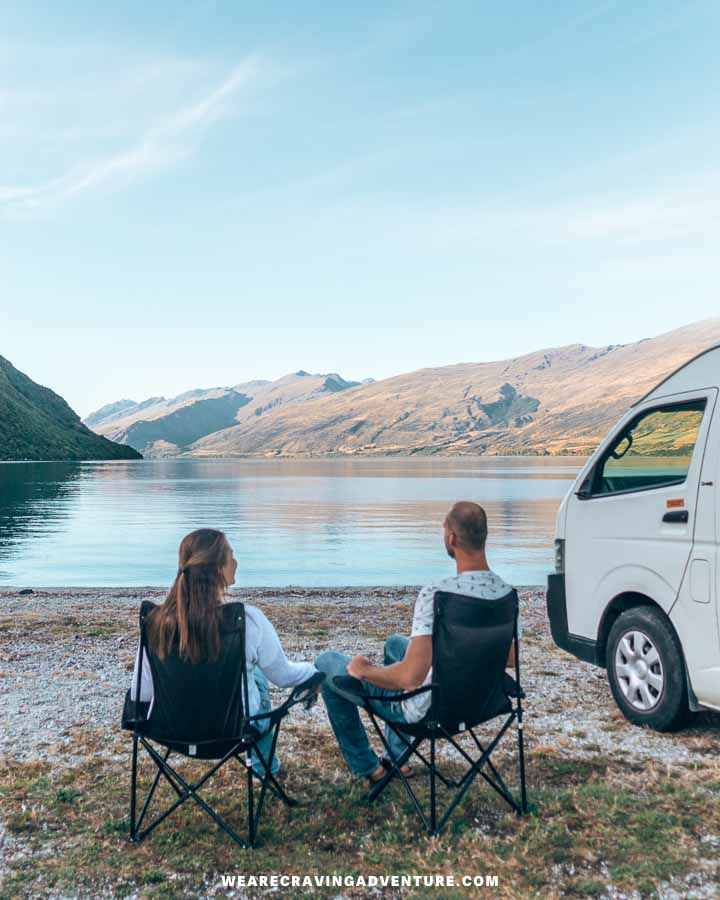

New Zealand caters really well to travelers
New Zealand recognizes that tourism brings in a big chunk of the country’s yearly income and therefore tries to make traveling the country as easy as possible. There are fantastic facilities available, parking at many attractions is free and everything is really well signposted.
Campervans really are one of the best ways to explore New Zealand and you’ll find it very easy to travel this way. For starters, DOC operates more than 320 campsites around the country, and there are picnic areas, public toilets and basic traveler facilities all over the place.
Freedom camping does come with more rules than it used to. From June 7, 2026, vehicles need the new green self-containment warrant to camp in areas restricted to certified self-contained vehicles, and portable toilets no longer qualify. Local councils also have their own restricted and prohibited areas, so don’t assume you can just park anywhere pretty and call it home.

New Zealand also has a very streamlined administrative system and isn’t very bureaucratic, so it is relatively easy to arrange stuff like a Working Holiday Visa, tax number and bank account. To make things even better, ACC, New Zealand’s no-fault accident scheme, also covers visitors for qualifying accidental injuries that happen in New Zealand.
That does not replace travel insurance. ACC does not cover things like illness, disrupted travel plans or emergency transport home, so I’d still travel with proper insurance.
Sorting your road trip?
Compare New Zealand rental cars
I’d book your car once the route and airports are fixed, especially for summer, school holidays and one-way South Island rentals.

New Zealand is very remote
New Zealand is one of the most geographically isolated countries in the world. While this can be seen as a bad thing, for now I consider it a good thing.
That isolation is part of what makes New Zealand feel so different. Once you leave the main cities, you can get surprisingly far from crowds, traffic and general chaos, and there are still places that feel properly wild rather than landscaped for tourists.

I still joke that New Zealand is the perfect place to survive the apocalypse. It’s just far enough away that no one will bother attacking it, and isolated enough that you’d at least have a decent head start.
The bad
Based on everything I’ve told you so far, New Zealand sounds like the best country in the world, right? While New Zealand is a great country, there are some aspects that are less than ideal.
The UV in New Zealand is brutal
There isn’t literally an ozone hole sitting above New Zealand, but the UV really is brutal.
Peak UV levels in New Zealand are roughly 40% higher than at comparable latitudes in the Northern Hemisphere. That comes from a combination of lower ozone levels, the Earth being closer to the sun during the Southern Hemisphere summer and New Zealand’s relatively clean air.
The lack of protection means that the sun’s UV rays can cause sunburn and other skin damage incredibly quickly.
This all means that even if it isn’t warm outside, and even on gloomy overcast days, you should still wear sun protection because otherwise you can get sunburned in no time.
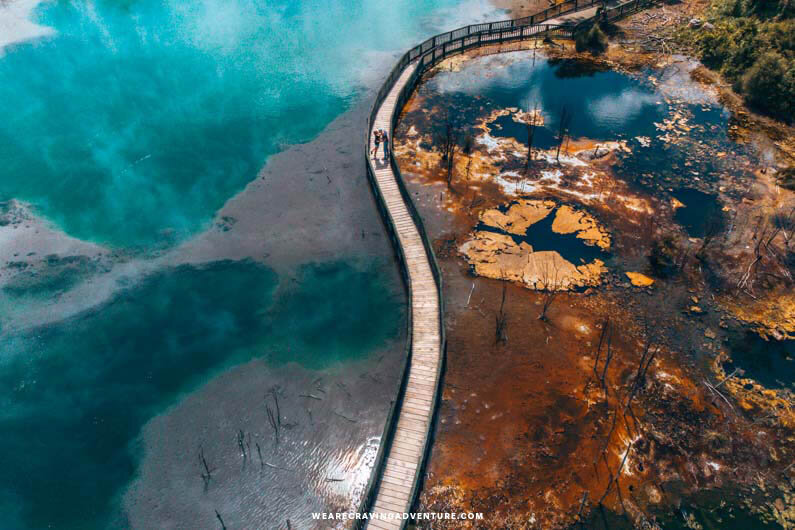
New Zealand has lots of seismic activity
New Zealand lies smack on top of the boundary between the Australian and Pacific tectonic plates. Their movement causes a lot of seismic and volcanic activity.
GeoNet locates around 20,000 earthquakes in and around New Zealand every year. Most are tiny, but roughly 250 are big enough to be felt, and some can cause massive amounts of damage.
You probably heard about the Christchurch earthquake of 2011 that took 185 lives and caused insane amounts of damage to the city. Having lived in Christchurch myself, the legacy of the earthquakes is impossible to separate from the modern city; the rebuild reshaped huge parts of the center.

In 2016, an even stronger earthquake happened near Kaikoura. This earthquake lifted parts of the coastline by almost 6 meters (20 feet) and destroyed big parts of the main north-south highway, forcing traffic to take a detour for several years until the highway was repaired.
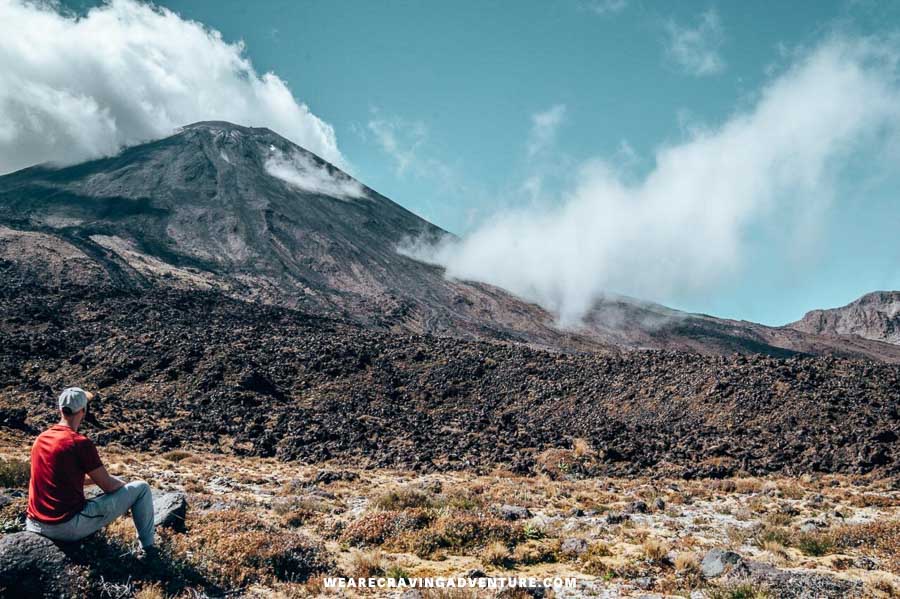
There are active volcanoes in New Zealand
GeoNet currently monitors 12 volcanoes and volcanic areas across New Zealand, including the Auckland Volcanic Field, Taupō, Ruapehu, Taranaki Maunga and Whakaari/White Island. Volcanoes like Mount Ngauruhoe (Mount Doom in Lord of the Rings) look awesome, and the geothermal hot springs around Rotorua and Taupō are a lot of fun, but they are not without danger.
New Zealand’s volcanoes don’t erupt that frequently, but eruptions can be abrupt and violent.
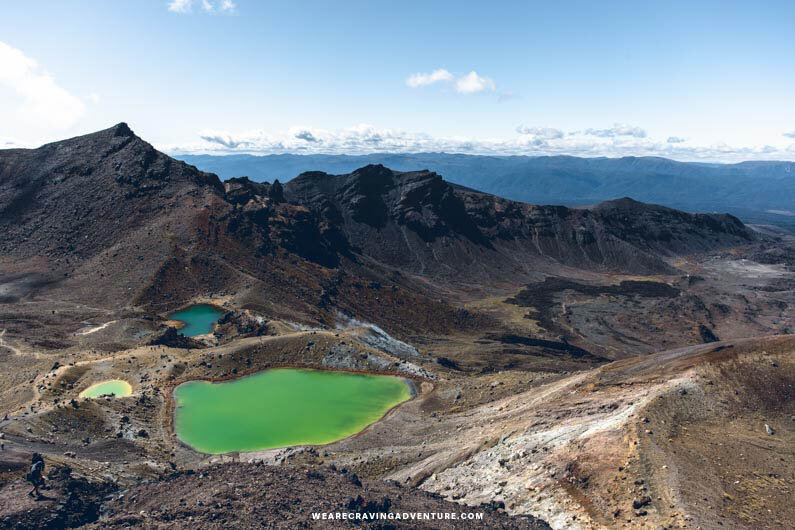
On December 9, 2019, Whakaari/White Island erupted while 47 people were on the island. Twenty-two people ultimately died, and many of the survivors suffered severe injuries.
I already mentioned the incredibly big Taupō supervolcano. It last erupted more than 1,800 years ago, and GeoNet describes that eruption as the most violent eruption in the world in the last 5,000 years. So yes, Lake Taupō is part of an active volcanic system — but it’s not something I’d lose sleep over while planning a trip.
If the geothermal side of New Zealand is what interests you most, read my Rotorua geothermal parks comparison. If you also want the cultural side, I’d combine it with the Te Pā Tū Māori cultural evening.
New Zealand is expensive
Is New Zealand expensive? Unfortunately, yes. Even though wages in New Zealand are relatively high, it is still an expensive country to live and travel in. Especially the prices of food, alcohol, fuel and accommodation can be painfully high.
You’d think that real estate prices would be reasonable with such a low population density, but they are actually through the roof (pun intended). Even though it seems that there is a lot of empty land in New Zealand, most of the land is actually either part of national parks or privately owned, leaving very little land to build on.
This helps keep land and housing expensive, especially around the major cities and the places everybody actually wants to live. The housing market is more complicated than one neat explanation, but the end result for residents is fairly simple: property is not cheap.

The housing quality in New Zealand is poor
As if the high real estate prices weren’t bad enough, the quality of houses in New Zealand also isn’t exactly up to the standards I was used to in Europe, especially when it comes to older homes.
One of the things that genuinely surprised me when I first lived in New Zealand was how cold some houses could feel in winter. Older housing stock has a long-standing reputation for insufficient insulation, dampness and patchy heating.
Things have improved. From July 1, 2025, all rental properties are required to comply with the Healthy Homes standards, covering heating, insulation, ventilation, moisture and drainage, and draught stopping.
That doesn’t mean every Kiwi house suddenly feels like a Scandinavian sauna. Whole-house central heating is still much less common than in much of Europe, and heat pumps are everywhere. They’re great at heating the room they’re actually in; the chilly hallway and bedroom at the other end of the house may have other ideas.

Rural mobile coverage can still be patchy
The internet in New Zealand is no longer the horror show it was when I first lived there. Fibre in the cities and larger towns is generally perfectly good.
The problem is mobile coverage once you head into rural and remote New Zealand. On road trips through places like the West Coast and Fiordland you can still hit stretches with weak or no reception, so I always download offline maps before a long drive.
Rural connectivity is improving, and satellite internet has changed the equation considerably, but geography is still geography.
But hey, at least you can use a digital detox as the perfect excuse for a New Zealand road trip!

New Zealand is very remote
Wait, didn’t I already list this as a good thing? Yes I did, but I also mentioned that it can be seen as a bad thing.
Because New Zealand is so remote, it is very isolated. The closest sovereign country to New Zealand is Australia, but even the major cities are separated by more than 2,000 kilometers (1,240 miles) of Tasman Sea. Getting anywhere international involves a proper flight.
Not only does it take ages to get to another country, because the distances are so big it can also cost a small fortune. If you’re not originally from New Zealand this can lead to feelings of loneliness, isolation and homesickness.
New Zealand’s remoteness also adds to the country being so expensive. It has a relatively small domestic market and a lot of goods have to travel a very long way to reach it. Freight, logistics and limited competition can all show up rather painfully in the final price.

The ugly
I’ve spent several years in New Zealand and have come to know its uglier traits too. While I’m not trying to put New Zealand into a bad light, I do feel that it is important to mention these things to give you a better idea of what goes on in the country. I still love it despite all this!
Alcohol abuse is a serious issue in New Zealand
There is a big drinking culture in New Zealand. According to the latest New Zealand Health Survey, 74.9% of adults drank alcohol in the previous 12 months, and 16.6% were classified as hazardous drinkers in 2024/25.
There is some good news: hazardous drinking is down from 21.3% in 2019/20. But one in six adults still isn’t exactly a rounding error.
The negative impact of alcohol on individual health is already bad enough, but it also contributes to accidents, injuries, mental-health problems and harm in communities.
New Zealand has spent years trying to tackle this with drink-driving enforcement, alcohol-free public areas and restrictions around serving intoxicated customers. The culture is changing, but alcohol harm is still a very real issue.

Mental health is a serious issue in New Zealand
New Zealand’s scenery, outdoor lifestyle and generally laid-back image make this one particularly easy to miss.
In the 2024/25 New Zealand Health Survey, 14.3% of adults experienced high or very high levels of psychological distress in the previous four weeks, almost double the 7.4% recorded in 2019/20. Among people aged 15–24, that figure was 22.9%.
One thing I noticed while living there is a fairly strong tough it out streak in Kiwi culture — the whole I’m a Kiwi, I’m tough attitude. That’s my personal observation rather than an explanation for the statistics, but it does sit in strange contrast with the carefree image people often have of New Zealand.

New Zealand is not as eco-friendly as you might think
You might find this strange to read because New Zealand is such a green and beautiful country. It protects enormous areas of spectacular wilderness, but green scenery doesn’t automatically mean a pristine environment.
Freshwater is one of the clearest examples. Current national reporting estimates that 44% of New Zealand’s total river length was unsuitable for activities like swimming between 2020 and 2024, based on modeled bacterial risk.
Agriculture is an important pressure on freshwater quality, alongside urban development, forestry, wastewater and other forms of land use. Depending on the catchment, excess nutrients, sediment and pathogens can all end up in waterways.
That contradiction is worth knowing about. New Zealand markets itself on nature — and for very good reason — but it also has serious environmental problems to solve.

Is New Zealand worth visiting?
Yes, yes, and a thousand times more yes. When you add all the pros and cons, New Zealand comes out on top by a mile! It is an incredible country and if it wasn’t so far away from everything else I would probably still be living there.
The scenery and wildlife are incredible, unique and something you really have to see for yourself. I’m sure that a trip to New Zealand will be the experience of a lifetime.
And again, follow my South Island and North Island itineraries for the best possible experience of all the best New Zealand has to offer!
If you still have any questions or doubts, don’t be shy and let me know in the comments!

Planning a trip to New Zealand?
New Zealand looks small on a map. It is not small in road-trip terms. I lived there for years and traveled the country extensively, and one of the easiest mistakes to make is trying to squeeze far too much into too little time.
Start with the itinerary that matches your route, then use my destination and accommodation guides to fill in the details. I’ve grouped the most useful New Zealand guides below so you don’t have to go digging through the whole site.
Read next:
New Zealand itineraries & trip planning:
New Zealand travel guide
North Island road trip – 2 & 3 weeks
7-day North Island itinerary
South Island road trip – 2 & 3 weeks
10-day South Island itinerary
Renting a car in New Zealand
New Zealand in winter
Skiing & snowboarding in New Zealand
21 things nobody tells you about traveling in New Zealand
Auckland, Northland & Bay of Islands:
Auckland itinerary
Where to stay in Auckland
Best day trips from Auckland
Paihia & Bay of Islands itinerary
Things to do in Paihia & Bay of Islands
Rotorua & Taupō:
Rotorua itinerary
Best things to do in Rotorua
Where to stay in Rotorua
Best geothermal parks in Rotorua
Best Māori cultural experiences in Rotorua
Best day trips from Rotorua
Rotorua to Taupō drive
Rotorua in winter
Coromandel Peninsula:
Coromandel Peninsula guide
Coromandel from Auckland: routes & itineraries
Where to stay on the Coromandel Peninsula
Cathedral Cove guide
Donut Island
Queenstown, Glenorchy & Wānaka:
Queenstown itinerary
Where to stay in Queenstown
Best day trips from Queenstown
Queenstown in winter
Queenstown to Glenorchy drive
Things to do in Glenorchy
Wānaka itinerary
Milford Sound & Fiordland:
Complete Milford Sound guide
Best Milford Sound cruises
Where to stay in Milford Sound
Te Anau to Milford Sound drive
West Coast & glaciers:
Best things to do on the West Coast
Where to stay on the West Coast
Franz Josef Glacier heli-hike review
Where to stay in Franz Josef
Aoraki/Mount Cook & Christchurch:
Best Mount Cook hikes
Christchurch itinerary
Where to stay in Christchurch
Best day trips from Christchurch
Christchurch to Queenstown road trip
More New Zealand:
Why a campervan is the best way to travel New Zealand
Best places to see wildlife in New Zealand
Where to see dolphins in New Zealand
Kiwi spotting on Ulva Island
Best Lord of the Rings filming locations
New Zealand tourist traps actually worth visiting
Skydiving in New Zealand
New Zealand Working Holiday guide
Keep it handy and pin this to your travel inspo board


So much beauty and culture in one place! Amazing! Thanks for sharing this thorough post!
You’re welcome! And yes, New Zealand is a beautiful place, but don’t let that make you blind for what goes on underneath!
My husband and I have been dreaming of a NZ trip. Everything looks soo pretty 🙂 Thank you for the information!! I will store it away for when we can hop on a plane
Hi Sophia, when it comes to natural beauty there isn’t much that can beat New Zealand! Hope you and your husband get to explore it yourselves very soon!
I grew up in NZ and would often would tell visitors that there is more to the country that the paradise-like marketing. The poverty, the racially charged undercurrents, and the lack of sustainable farming worried me 20 years ago! But yeah, still a fabulous country 😉
Hi Hannah, totally agree with you! Most visitors that only come over for a few weeks don’t see what goes on behind the curtains and stay in their happy holiday bubble. Which is understandable of course, but on the other hand we feel it is important to know a bit more about the countries we go to.
My big trip this year, before the pandemic, was going to be New Zealand and Australia! This info is very helpful. I had no idea about the ozone layer hole! And the alcohol-culture is a bit off-putting. We don’t drink and some cultures don’t understand that. Still, seriously looking forward to the landscapes here!
Ahh, such a shame that your big trip had to be postponed! And yes, sun strength in New Zealand is a big thing. Even on completely overcast days, you’ll get sunburnt without proper sun protection. Don’t worry too much about the alcohol-culture. Kiwis love to drink, but they’ll usually understand it if you don’t, and the beauty of the country far outweighs the negative in our opinion!
Awww my most favourite place in the whole world! What a great article, i’ll save this for my next trip over. x
Thank you Portia! New Zealand is our favourite country too! If it wasn’t so far away from anything else we’d still be living there!
This is a beautiful post – you can tell you put a lot of love into it. I have heard it can be quite expensive, but I think for all that there is to see (and for me, as a LOTR fan!) it would be worth it. Definitely a once in a lifetime trip!
Thank you Sarah! And yes, a New Zealand road trip is definitely a once in a lifetime experience! If you’re a LOTR fan (like Tom) then you’ll love this article:
https://www.wearecravingadventure.com/blog/new-zealand/top-lord-of-the-rings-filming-locations/
NZ is one of my favourite countries and your photos make me want to go back so badly!
Hi Kim, thank you so much! New Zealand is by far our favourite country so far 🙂
As a New Zealander, I loved reading this! I totally agree with everything you mentioned, especially the bad and the ugly. New Zealand’s sun is horrible haha after living there all my life I’m still not used to it! It’s so expensive too, especially Auckland (where I’m from), which is why I decided to move to Australia last year! As for the alcohol and depression rates, I’m familiar with those as most people I know have been directly or indirectly affected by alcohol abuse and/or depression. It’s sad about the facts, but so very true. I really loved reading this, so thank you!
Hi Jasmine, so glad you like our article! It is really nice to read that you as a Kiwi support what we wrote. Zi lived in Queenstown for over two years which is about as expensive as Auckland so we know exactly what you mean haha! We actually went to Australia too after New Zealand last year, but the timing was terrible as it was right when the massive bushfires raged so we only stayed in Australia for 3 months. How are you liking Australia so far?
I would absolutely love to visit New Zealand and it’s definitely on our bucket list! I really appreciate how you give both the good and the bad. Loved the photos and thanks for sharing!
Hi Arielle, Thank you! We feel it’s important to share the whole picture of a country, not just the good parts. That said, New Zealand comes out as an incredible country, even if you take the bad and the ugly into account! You’ll love it!
As a Kiwi, I do agree – but, I think that some of the ‘bad’ points are a bit general and not exclusive to New Zealand like the alcohol abuse and the fact that it is expensive. I now live in the US and while some things are cheaper here like groceries, it is much more expensive to own a car, and eating out tends to equal the same once you factor in tip, tax and exchange rate. Also, you have to purchase health insurance which is super expensive while you have universal healthcare in New Zealand so purchasing additional health insurance is optional. I lived in the UK and Australia as well as New Zealand and I felt they were much worse for alcohol abuse than New Zealand. New Zealand isn’t perfect but it’s a lot closer than a lot of other western countries, and I can’t wait to move back there from the US
Hi Katie, glad you agree and thanks for putting things in perspective! Some of the bad things we mentioned definitely don’t just apply to New Zealand, but since they are aspects that do apply to New Zealand as well, and this article is about New Zealand, we mentioned them.
We also believe that when you add up all types of expenses in any western country, the buying power ends up being pretty much the same everywhere when you live in that country, so in that regard, you’re absolutely right too. However, for people who come to travel in New Zealand, not live in New Zealand, the type of expenses that matter are relatively expensive to other countries, so that does make New Zealand an expensive country to travel in.
That said, we truly love New Zealand. It is our favourite country in the world and we think it is an amazing place to both live and travel in! Thanks again for your addition to what we wrote!
I had to click on this because I went to NZ for my 4 month trip around the world and NZ was my first destination. I was honestly blown away on the country. I will forever have NZ on my top 5 places to visit, it’s so magical, it’s quiet, peaceful, you feel like you have the whole country in your own hands because it wasn’t busy when I went and I felt like the only person visiting, which was great. New Zealand is amazing and always will be. The negative stuff you mentioned I think shouldn’t be on the list, just because I think a lot of other places can relate to it. Drinking a lot happens in Toronto where I’m from. Every night is a night to drink for people who don’t have hobbies like the gym. etc. It’s just what people do every night after work. Sun burns you can get anywhere, internet is horrible all around the world, I just moved outside of the city and now that I’m in a smaller town, the internet has changed. Also, sometimes having bad wifi is great for us, we need to start taking in what’s around us. When my husband and I went, he only got a card for his phone, I didn’t want the hassle of checking IG when I’m in such a gorgeous place. New Zealand was expensive, but also other places around the world are insane. Toronto, my husband and I had to leave because the prices of a simple condo or a normal house no matter what goes for a million dollars or over. My old boss bought their house for 2.4 million! It’s crazy!
Hi Amanda, glad you like New Zealand so much! It is our favourite country in the world to date, so we absolutely agree with you on the good stuff! When you write an article that paints a whole picture of a country as we did in this article, you do however need to mention the negative aspects too. That doesn’t mean that all of these aspects are exclusive to New Zealand, we’re perfectly aware that other countries are expensive as well, but since these aspects do play a part in New Zealand, we mention them. Hope you understand!
Also completely agree that bad internet can sometimes be a good thing to help you focus on what is around you. Thank you for your comment and contribution!
I’v visited New Zealand twice,travelled North and South Islands ,seen many of the sights,including Christchurch before the earthquake. It has its problems but so has every where else. I found the people friendly and very down to earth,the country is beautiful,there,s plenty to see and do and i loved every day i was there. I would recommend a visit to anyone and i’v told my family if they want to move there then they have my blessing, great for families with kids, look to the future,it,s the place to be.
thanks for this incredibly informative guide on New Zeeland. I’ve always wanted to visit there and now the desire is only stronger! I really appreciate the time you took to explore the downsides of New Zeeland as well. there is no such thing as a perfect country and being honest is so refreshing. you’re not discouraging people from going there, you are simply encouraging us to go with open eyes.
Really interesting post. I LOVED NZ (and Kiwis) but I didn’t know about some of the less desirable parts (especially the depression and the alcoholism.) Although, it all makes sense when I think of how many fun/alcohol fueled moments I have had with Kiwis…
I can totally imagine living there for a while for the hiking and lifestyle, the main thing that puts me off is the distance from family/expense of getting home when you need to…
Thank you so much for sharing this very honest post! I think New Zealand still sounds like a wonderful place to live even with all that 🙂
Great article! as someone who lived there for 10 years, I appreciate your honesty with some of the issues. I often tell people it’s a great place to visit but a very expensive place to live. We left specifically because of how badly I felt they handled the covid lockdowns and restrictions. we felt like we were in house arrest. Not even allowed to work without vaccine documentation. We’re thankful for our time there, but so thankful to now be living in a more affordable and free country.